


“Why won’t you take a firm stance against American warmongering?” asked Frank Cousins, former general secretary of the Transport and General Workers’ Union and a serving Labour minister. This was May 1966 and he was far from the only one asking. Harold Wilson’s line on Vietnam: full support, no British troops, was pleasing pretty much no one.
On the pro-US side, there was, well, President Lyndon Johnson, whose departments of State and Treasury were running a somewhat capricious campaign of carrots (financial inducements) and sticks (vague threats against sterling). On the other extreme, far-left students were denouncing Denis Healey — a man who two decades earlier was storming the beaches of fascist Italy — as “Hitler Healey”.
And all the while, the Parliamentary Labour Party was just thoroughly cheesed off. The left, which had helped elect Wilson leader three years earlier, was up in arms. On the right, the always irascible and occasionally sober foreign secretary, George Brown, confided to cabinet colleague Barbara Castle that he was “sickened by what we have had to do to defend America — what I’ve had to say at the despatch box.”
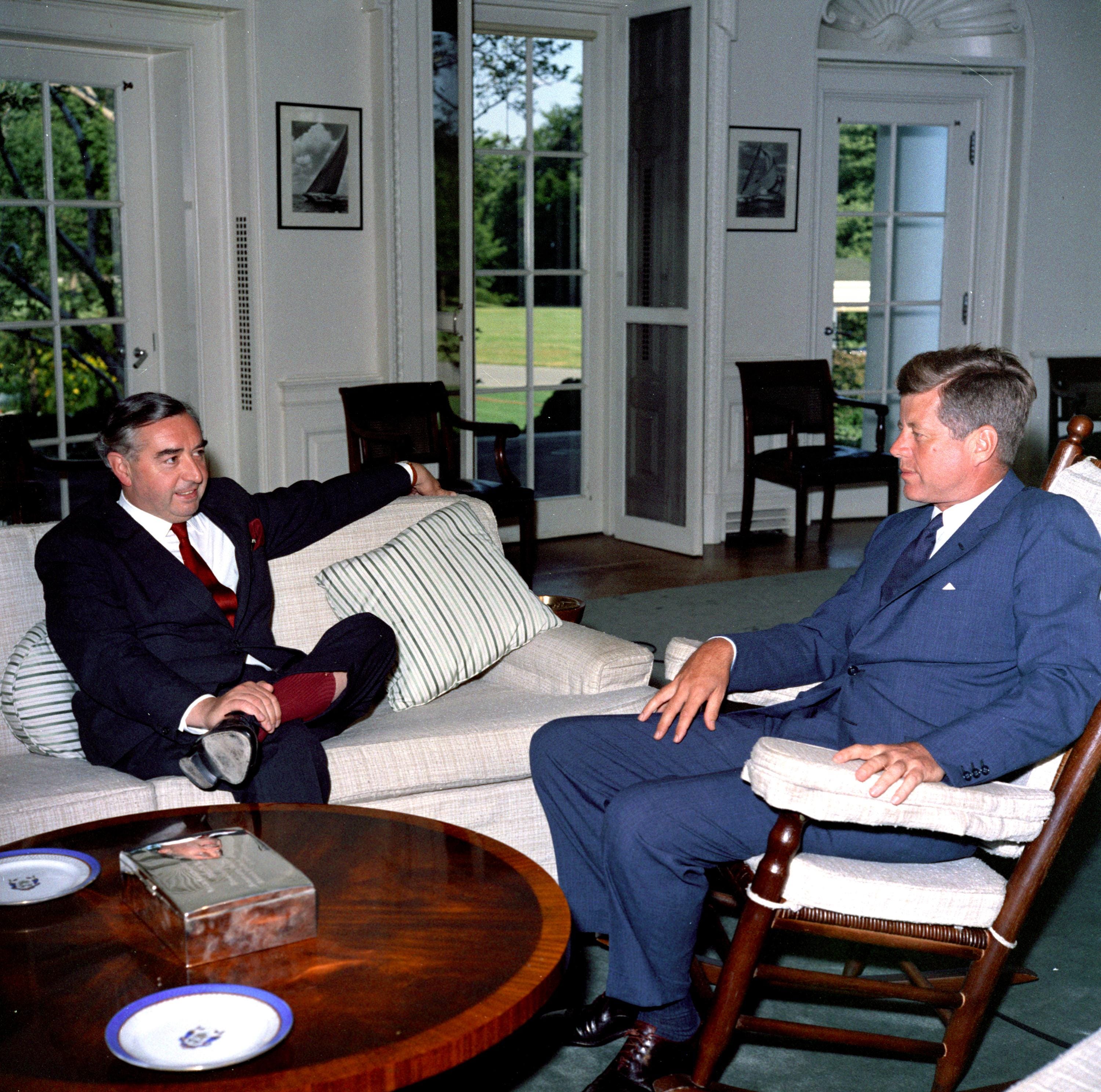
But Wilson, never one to shy away from a grubby compromise, had his answer to Cousins. In a moment of private fury, he answered the ‘why’ question: “Because we can’t kick our creditors in the balls.”
Neither kind nor strange
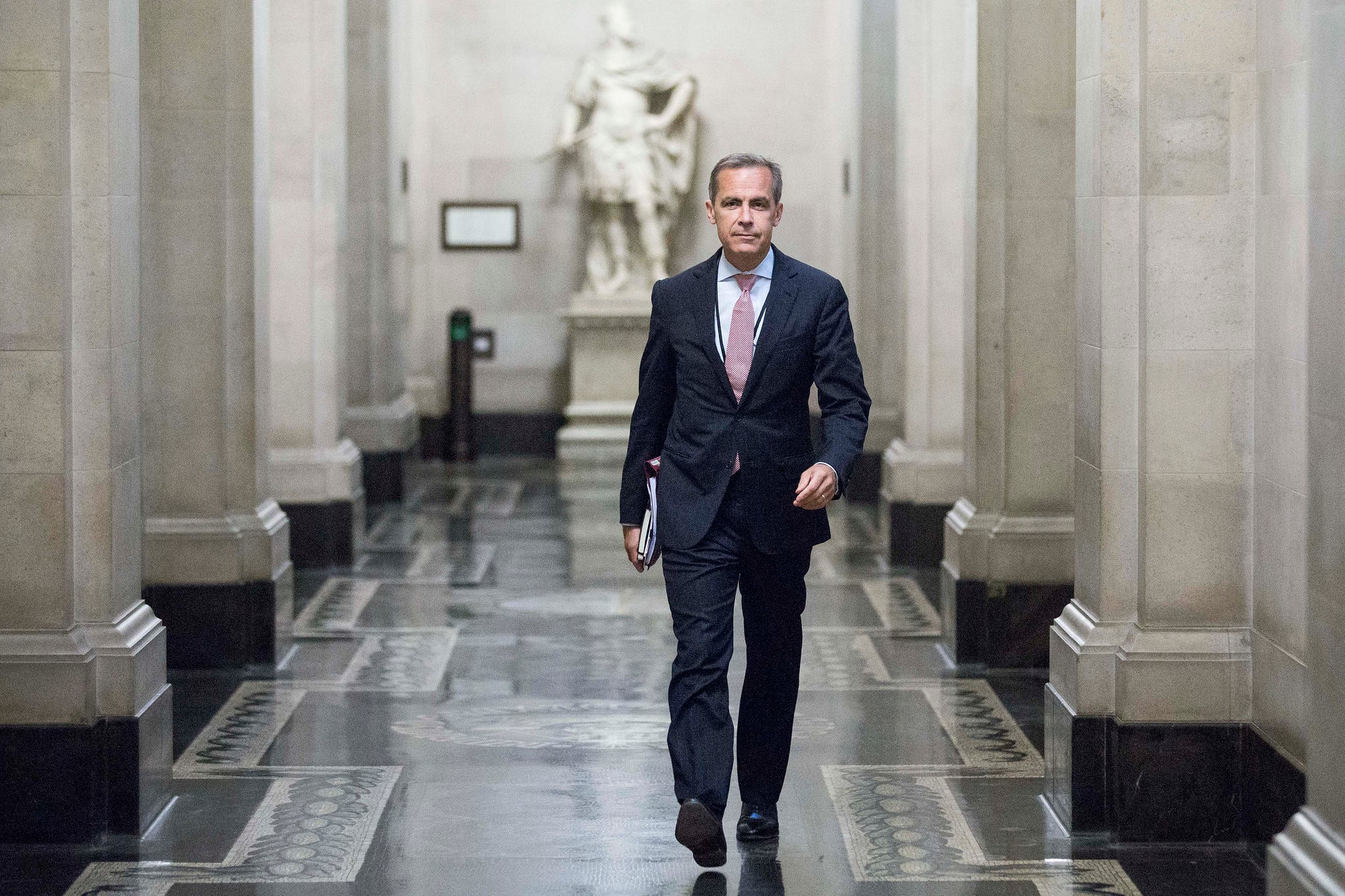
In his 2017 Mansion House speech, then Governor of the Bank of England Mark Carney1 observed that Britain was reliant on “the kindness of strangers”. Strictly speaking, this was a reference not solely to the funding of government debt (indeed, the cost of borrowing was at near record lows) but to the persistent current account deficit.
That is, the country was spending more abroad than it was earning, and was therefore dependent on foreign investors buying up UK assets such as equities, businesses and gilts to fund the difference. But “the kindness of strangers” has broadly speaking come to mean reliance on foreign buyers of government debt.
It’s also a somewhat misleading phrase because buyers of, in this case gilts, are doing it neither out of kindness nor are they strangers.
