


Famously, I enjoy an unblemished copybook when it comes to matchmaking: two friends, one cohabitation and now a baby. Indeed, each day that goes by, I grow ever more perturbed that the Singaporean government, so quick to market its evidence-based policymaking, has yet to even pick up the phone.
Still, I continue to do my bit domestically. Recently, I was assisting a single, beautiful friend as she was scrolling through a well-known dating app. And when I say beautiful, I mean I’m not that way inclined and have known her for years and sometimes still catch myself thinking, “I can’t believe she’s talking to me!”

Now, because this December marks my first decade of spousehood (the Instagram carousel is already in post-production), I’ve not spent much time on these apps. And when invited to look, I try my best not to behave like one of those tedious secondary characters in the first act of romcoms who turn to their single protagonist friend and say words to the effect of:
“I don’t know how you find the time, it must be exhausting,” or, “What fun! He looks cute! Oh, no, Giles, dear, stop gnawing at the skirting board.” Giles being Tedious Secondary Character’s three-year-old who, for reasons relating to Title 8, Section 11760 of California’s child entertainment code, will not be seen again until the climactic finale.
Point being, I consciously wasn’t there to gawk or cosplay but rather to offer the occasional second opinion. Alright, and to judge the various suitors’ writing. Sorry, I’m only human, this is my profession and their one shot at impressing a potential shag/the mother of their children. So, why resort to cliché?
And then, somewhere between the plumber with the leading-man cheekbones and IT consultant with a hairline receding so imperceptibly even I didn’t notice immediately, it hit me. I may not be an authority on dating apps but I do know property portals and the two are, cosmetics and margins for error aside, functionally identical.
Floor plan, floor plan, floor plan
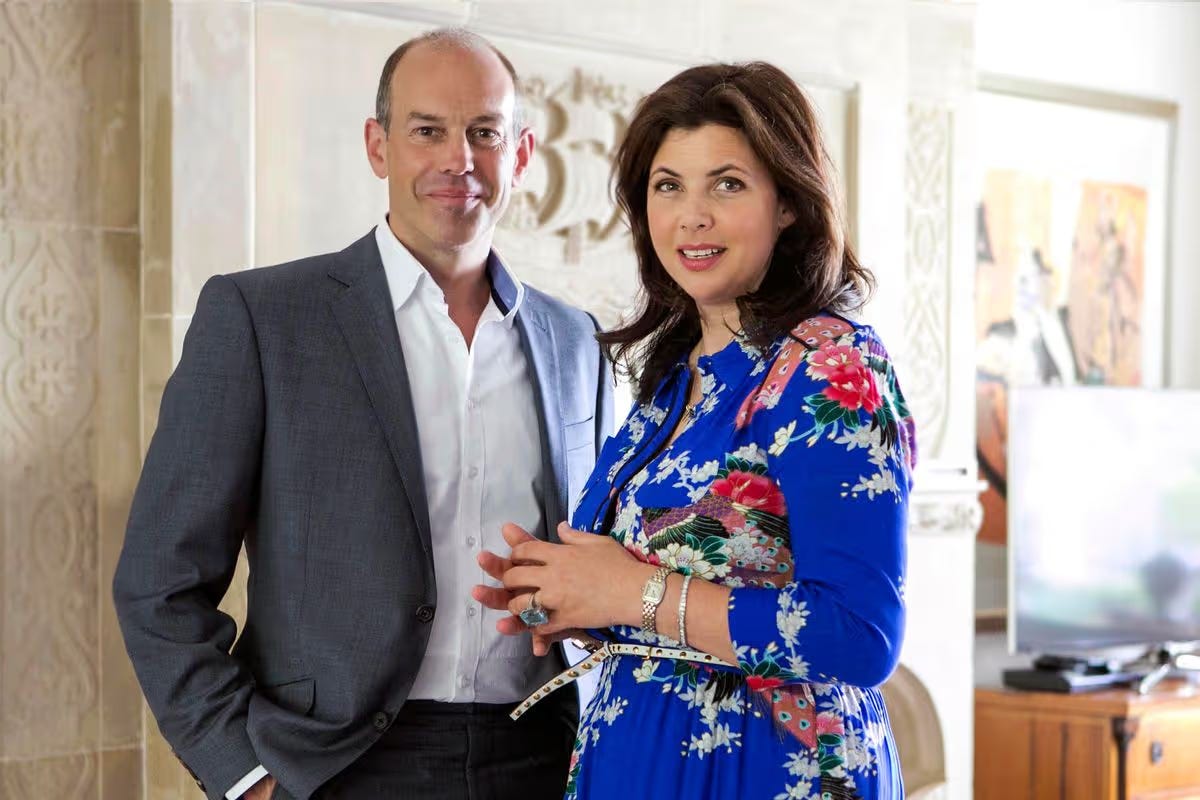
I grew up in a Kirstie and Phil household. As a result, my first port of call on Rightmove or Zoopla is always the Google map. Everything is negotiable, supporting walls can be moved and asking prices dismissed as pure vanity. But location (and, indeed, aspect, but let’s not go there) comes as is. And it serves to explain everything else.
On dating apps, the closest corollary isn’t the profile pic, but age. To be clear, I’m as superficial as the next middle-aged millennial male. My boomer forebears consider obesity to be a moral failing while even to this day, I only semi-jokingly quote Kate Moss’s iconic aphorism, “Nothing tastes as good as skinny feels.”
The point about age isn’t the number itself. Presumably, however old the person claims to be on their profile fits within your pre-set range. Rather, it frames everything else: the photos, financial circumstances and the big one — whether you are bothered or not by the prospect of step-kids. Being childless in your forties might mean something quite different from your twenties.
Last orders
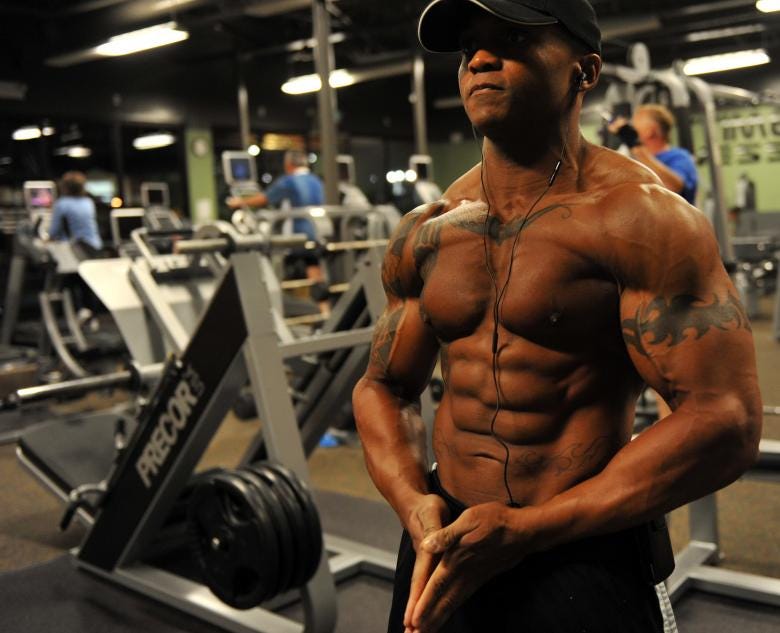
I’m not trying to be cute or reductive here. There will be no accompanying PDF depicting how the number of bedrooms and bathrooms on a property’s page tracks with the practical needs and future expectations of a husband, or the status of the party wall as metaphor for a guy’s emotional availability. More to the point, photos — whether of kitchens or gym selfies — are both fun and informative.
Still, the order in which you prefer to scroll for information (or perhaps simply default to) does matter and comes down to something called the primacy effect — a cognitive bias whereby people better remember (and are more heavily influenced by) information that comes first in a given sequence. In other words, we don’t just add up words or data points, we interpret each in the context of what came before.
The classic research is Solomon Asch’s 1946 study, Forming Impressions of Personality. Asch, a pioneer of social psychology, presented participants with lists of traits describing a hypothetical person and found that the order of those traits affected the impression. Consider the two descriptions:
Envious, stubborn, critical, impulsive, industrious and intelligent
or
Intelligent, industrious, impulsive, critical, stubborn and envious
Asch’s results showed that the second description led to the person being rated more highly. And, I mean, if pushed, who would you rather swipe right on?