


That commercial aviation is among the safest modes of transport is no accident. Every incident — from total hull loss to a near-miss — is thoroughly investigated and, where applicable, modifications are made and lessons widely distributed. The idea, to put it bluntly, is to never have the same crash twice.
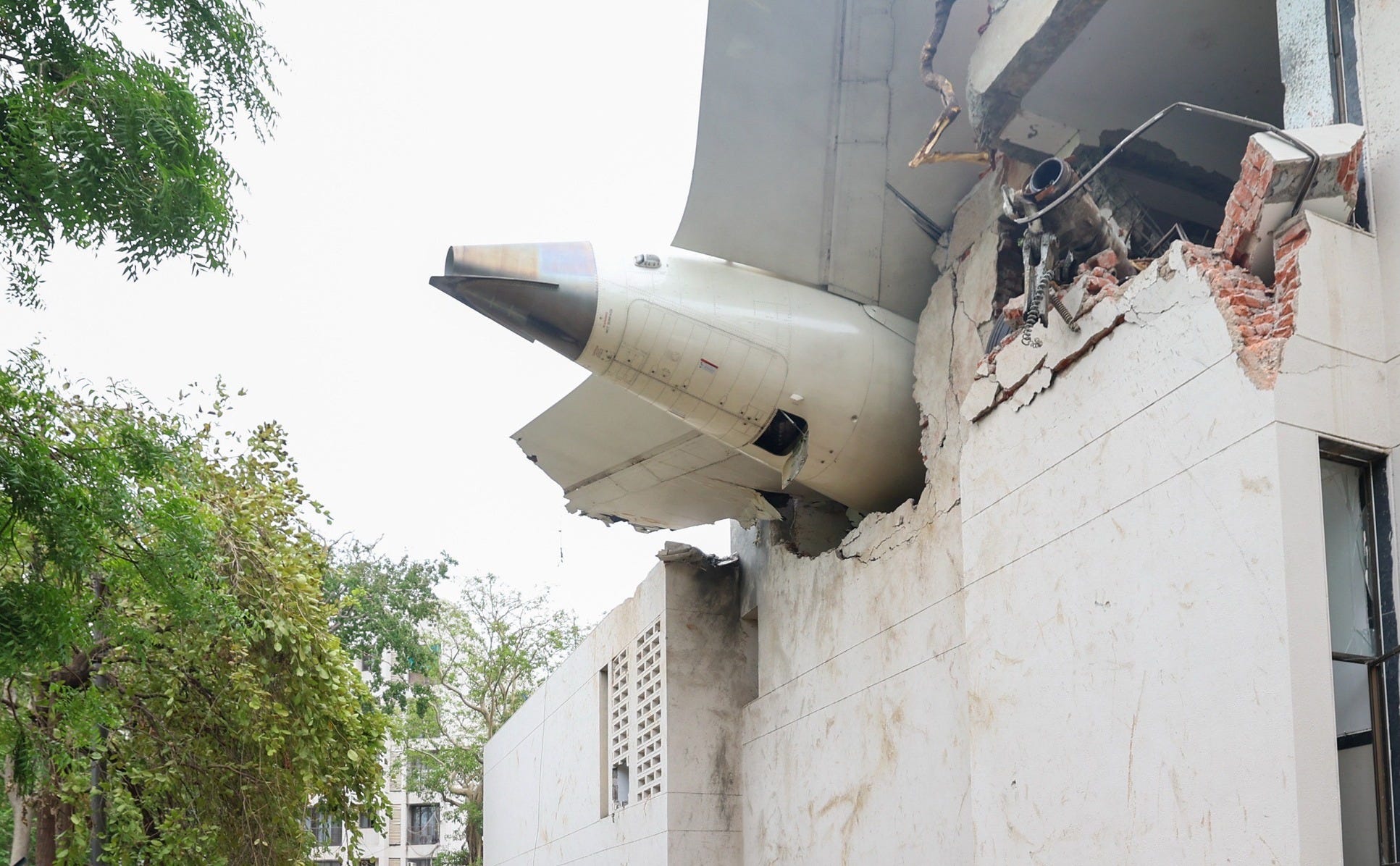
So on 12 June this year, when Air India Flight 171, a Boeing 787 Dreamliner destined for London, smashed into a medical facility outside Ahmedabad Airport mere seconds after takeoff, what happened next should have been routine. It has proved to be anything but.

Following any crash, the site is secured to preserve vital evidence, search and rescue teams are deployed to find and treat victims, the flight data recorder and cockpit voice recorder (better known as the black box) are recovered, witnesses interviewed and various data analysed, all in service of the final report and any subsequent safety recommendations.
As this incident took place in India and involved a Boeing aircraft, the International Civil Aviation Organization, the UN agency that sets international aviation standards, specifies that India’s Aircraft Accident Investigation Bureau (AAIB) and America’s National Transportation Safety Board (NTSB) would lead the investigation. Tensions quickly emerged.
A black box, wrapped inside a diplomatic dispute
On 11 July, the AAIB released a 15-page preliminary report on the incident. It noted that the aircraft achieved a maximum recorded airspeed of 180 knots and then immediately thereafter, Engine 1 and Engine 2 cutoff switches were “transitioned” from RUN TO CUTOFF, one second apart. It added:
In the cockpit voice recording, one of the pilots is heard asking the other why did he cutoff. The other pilot responded that he did not do so.
Subsequent reporting by the Wall Street Journal suggests it was the plane’s captain, Sumeet Sabharwal, who turned off the switches. However, the preliminary report did not state whether the fuel switch cutoff was accidental or deliberate — though it is important to note that the 787 cockpit is designed with multiple safeguards to prevent an inadvertent shutdown.
Deliberate pilot sabotage is rare, but not unheard of.