


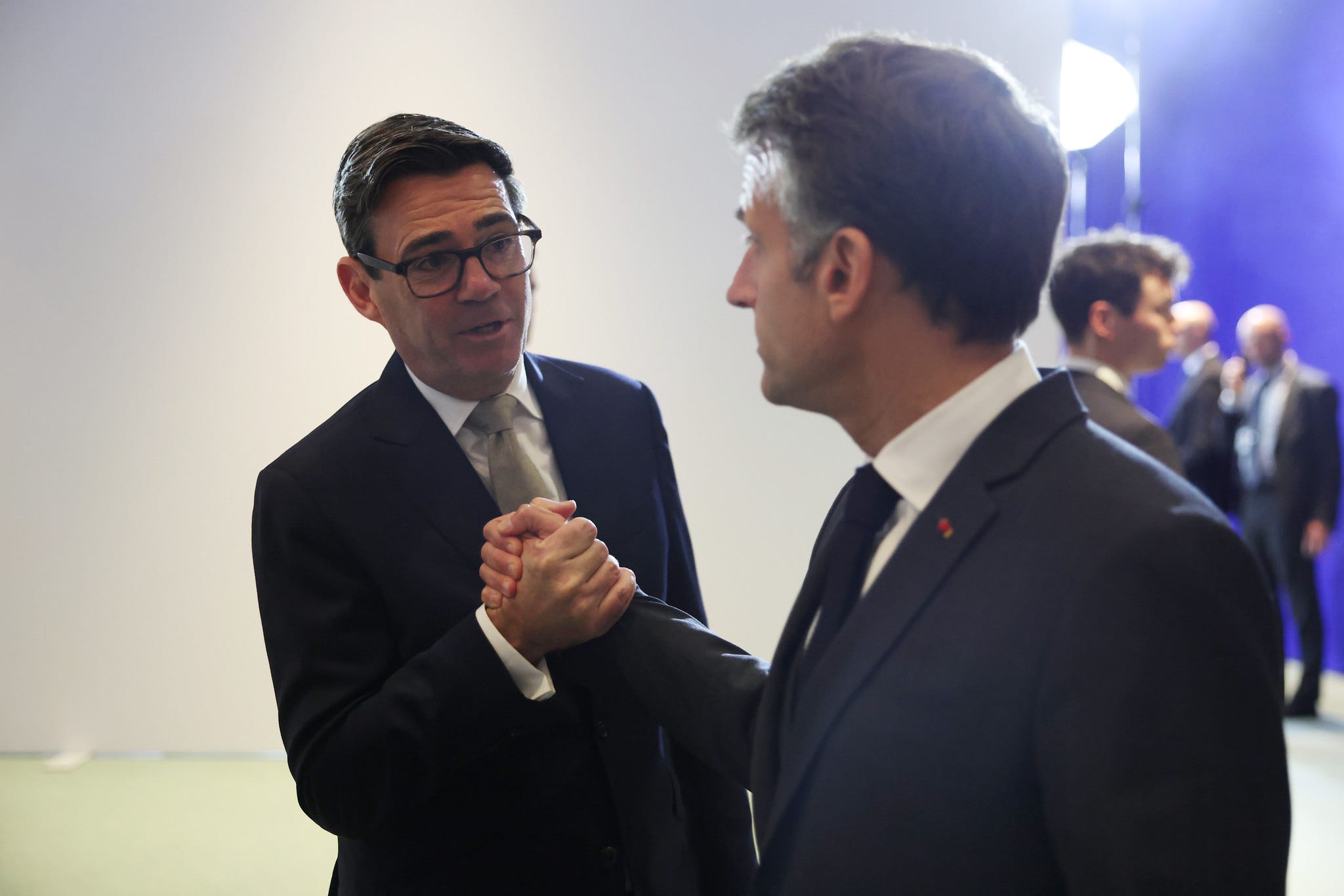
What is Andy Burnham up to? The Prime Minister of Consensus, the Mayor of Can’t We All Get Along, the bloke who will appear on Gary Lineker’s podcast on the Monday and send a message of congratulations to the UK Jewish Film Festival on the Tuesday... why is he diving headfirst into the whirlpool where goodwill goes to die?
Today, Burnham heads to Brussels for a UK–EU1 summit aimed at resetting post-Brexit relations. On the menu is some of the lower-hanging fruit: a sanitary and phytosanitary deal here, an emissions trading scheme there, perhaps even a new youth mobility scheme that ought to be easy but runs into that perennial German demand of domestic university fees for EU students.2
Very much not up for discussion in any meaningful sense, at least for now, is that top-shelf tequila: Rejoin, or a return to the EU single market with its pesky four freedoms, most notably that of people. (The other three — goods, services and capital — remind me of that Osbourne child who refused to appear on the MTV reality show.)
Nonetheless, that debate is coming, and every side is rousing its Brexit campaign merch from the Arizona desert, ready to be rushed back into service. But Burnham has one reason to be less worried than you might imagine: the alternative.
Bregrets, I’ve had a few
The risks to Burnham’s political project can be viewed from space. Any move, perceived or structural, to get closer to Europe threatens to unite the Right at a time when it appears hopelessly (and in the context of a first-past-the-post electoral system, disastrously) split.
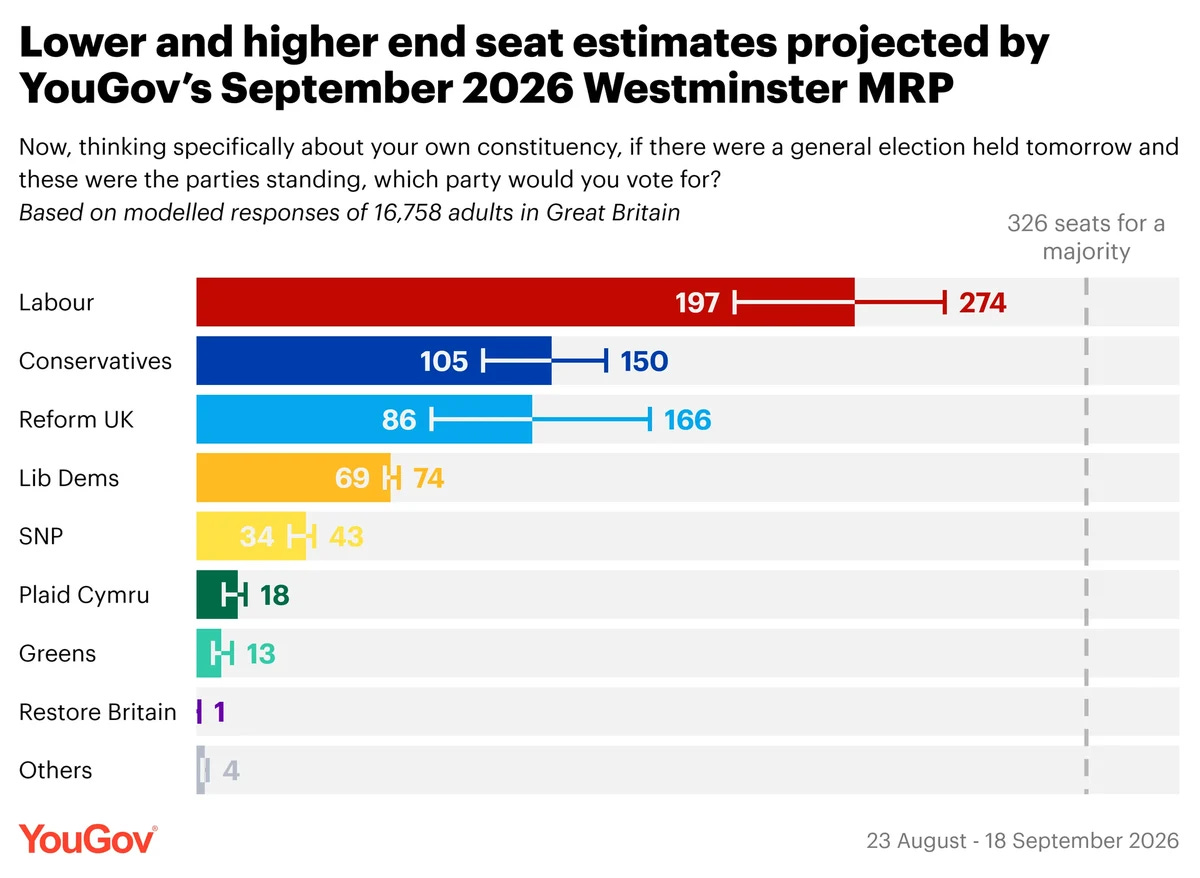
On the other side, anything short of changing the national anthem from God Save the King3 to Ode to Joy is likely to disappoint the sort of left-wing voters whose return to the Labour fold has been key to the prime minister’s recent polling bounce.
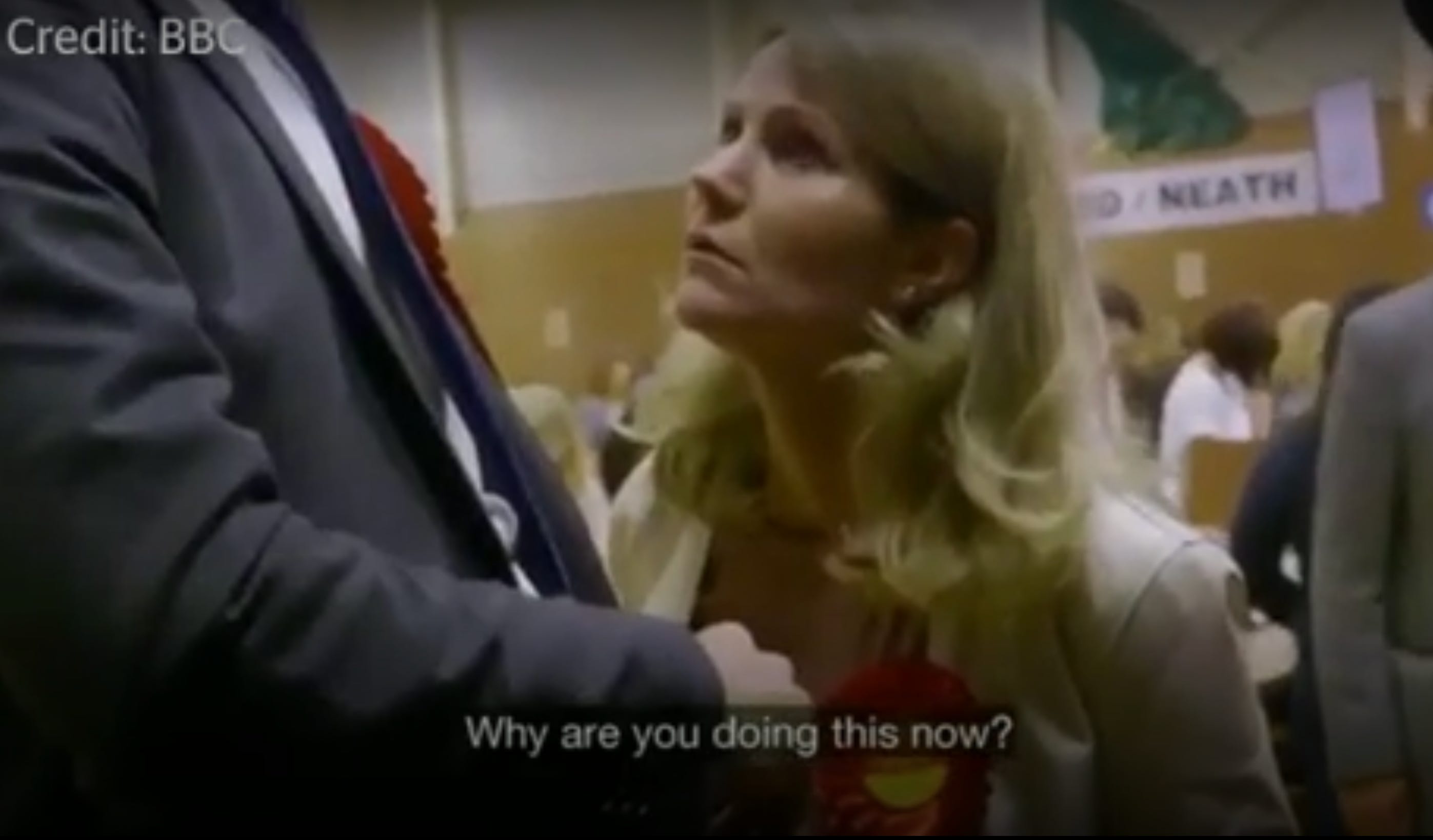
And then there are Burnham’s own backbenchers (plus a few cabinet colleagues too) representing Leave-facing seats4 who are far from thrilled at the prospect of reopening old Brexit-shaped wounds. So why, again, is he doing this?
The slightly reductive, aren’t-I-clever answer is that Britain’s departure from the EU has been just about as economically damaging as forecast: long-run productivity down 4% relative to remaining in the EU, exports and imports 15% lower, while new trade deals with non-EU countries are unlikely to have a material impact.
Geopolitical conditions have, if anything, deteriorated even further. Mid-2016 was, in retrospect, perhaps the worst moment to spurn the warm (if occasionally overwrought) embrace of the regulatory superpower next door, given the subsequent return of great power competition, America’s lurch toward protectionism and an actual land war in Europe.
For now, Burnham’s own line to take — that he wants to get closer to the sort of Brexit voters actually thought they were getting — is well-judged. Not least because it nicks the cloak of vagueness and plausible deniability the Leave campaign leveraged with such success a decade ago. But there’s another, more substantive advantage that the prime minister possesses: the leader of the opposition.
We need to talk about Kemi
The next election will not be a referendum on closer ties with Europe (whether Rejoin or something more modest) versus the status quo. It will instead be a choice between closer ties and the Tories + Reform’s offer, which is — or can at least legitimately be painted as — a no-deal Brexit.
That is because, as incoming director of the Centre for European Reform and friend of the newsletter, Anand Menon, recently noted, both Kemi Badenoch and Nigel Farage are promising, if elected, to withdraw from the European Convention on Human Rights. And if that happens, the EU is likely to respond by suspending — in part or in full — the Trade and Cooperation Agreement i.e. the Brexit deal.56
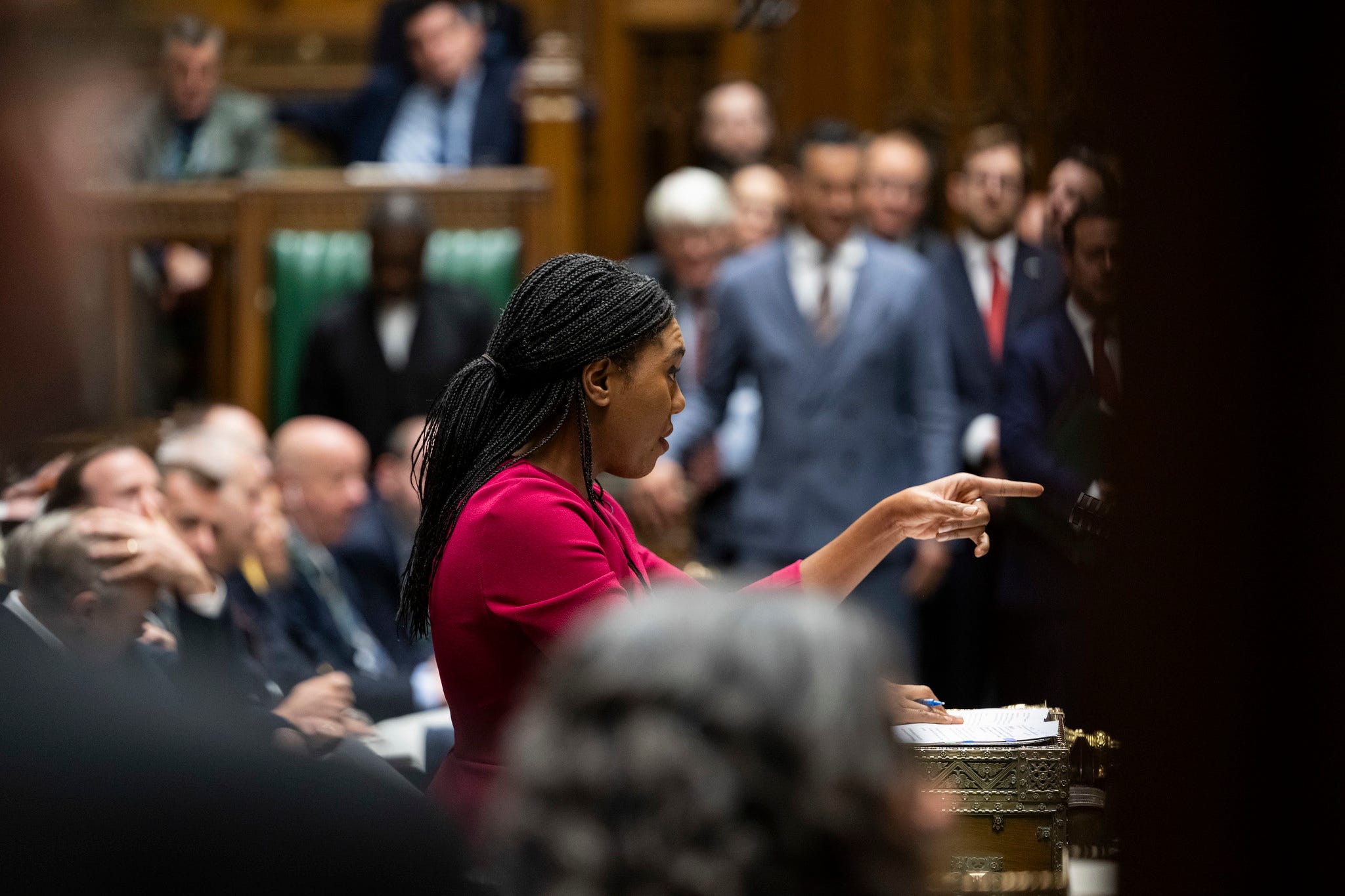
And all of a sudden, the choice voters are faced with is not freedom of movement and vast payments into the EU budget versus annoying airport queues, but versus the threat of no-deal, with its economic calamities and stranded English schoolchildren at Calais.
Even with inflation north of 3.5%, I like that dividing line.