

Can a mayor run Britain?
An office designed to decentralise power has created a funnel for future prime ministers

The path to power used to be carefully charted: president of the Oxford Union, optional selection as a paper candidate before being handed a plum Conservative seat, attend to the rubber chicken circuit while ascending the greasy pole until appointed to one of the great offices of state and then… wait.
Sooner or later, the prime minister will become heavily dependent on amphetamines, embark on some foreign policy folly or, in the case of Anthony Eden, both.
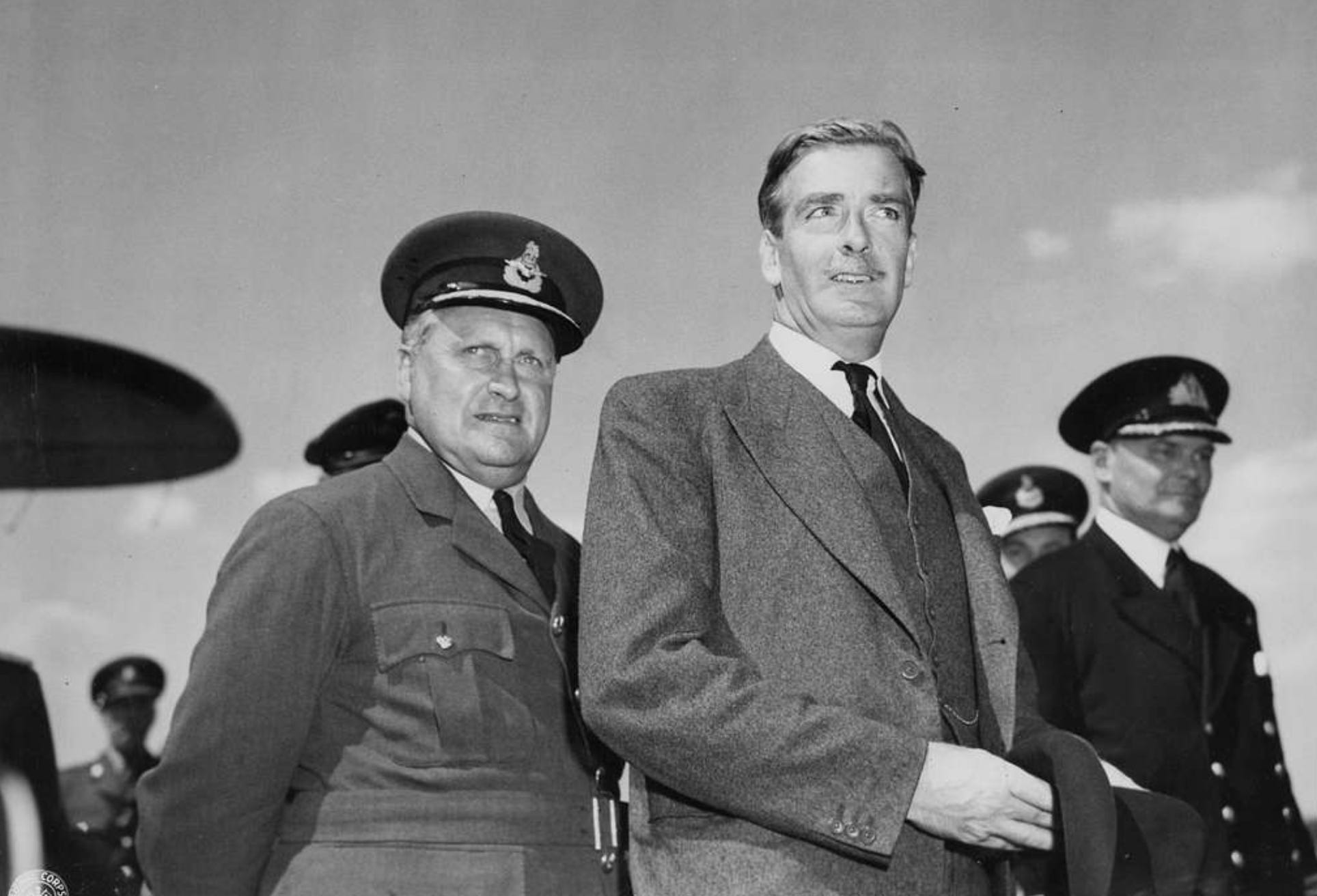
Nowadays, the pieces are somewhat in flux. The Tories are fighting to remain a going parliamentary concern, fading class loyalties have gnawed away at the very notion of a safe seat and the armed forces could scarcely defend Hastings from a band of marauding Norman cavalry, let alone sustain an empire.
[If you’re really not prepared to be a Conservative, I suppose you could try being the Labour deputy prime minister during a successful total war or, at a push, Tony Blair, but otherwise, it probably isn’t happening for you.]
The rest is still uncodified
It is therefore a notable development — not least for a political system as centralised as Britain’s — that in recent years a route has opened up from metro mayor to prime minister. It remains an awkward one: Andy Burnham requires a high-risk, high-profile by-election to get back into parliament. Still, what should we make of it?
Past experience is not encouraging. The first and thus far only prime minister to make the jump from City Hall to Downing Street is Boris Johnson, whose sheer unsuitability for high office and distant relationship with the truth saw his government disintegrate within three years. But Johnson is, in so many ways, sui generis — ill-qualified to run a coastal rock candy kiosk, for fear of embezzling the product.
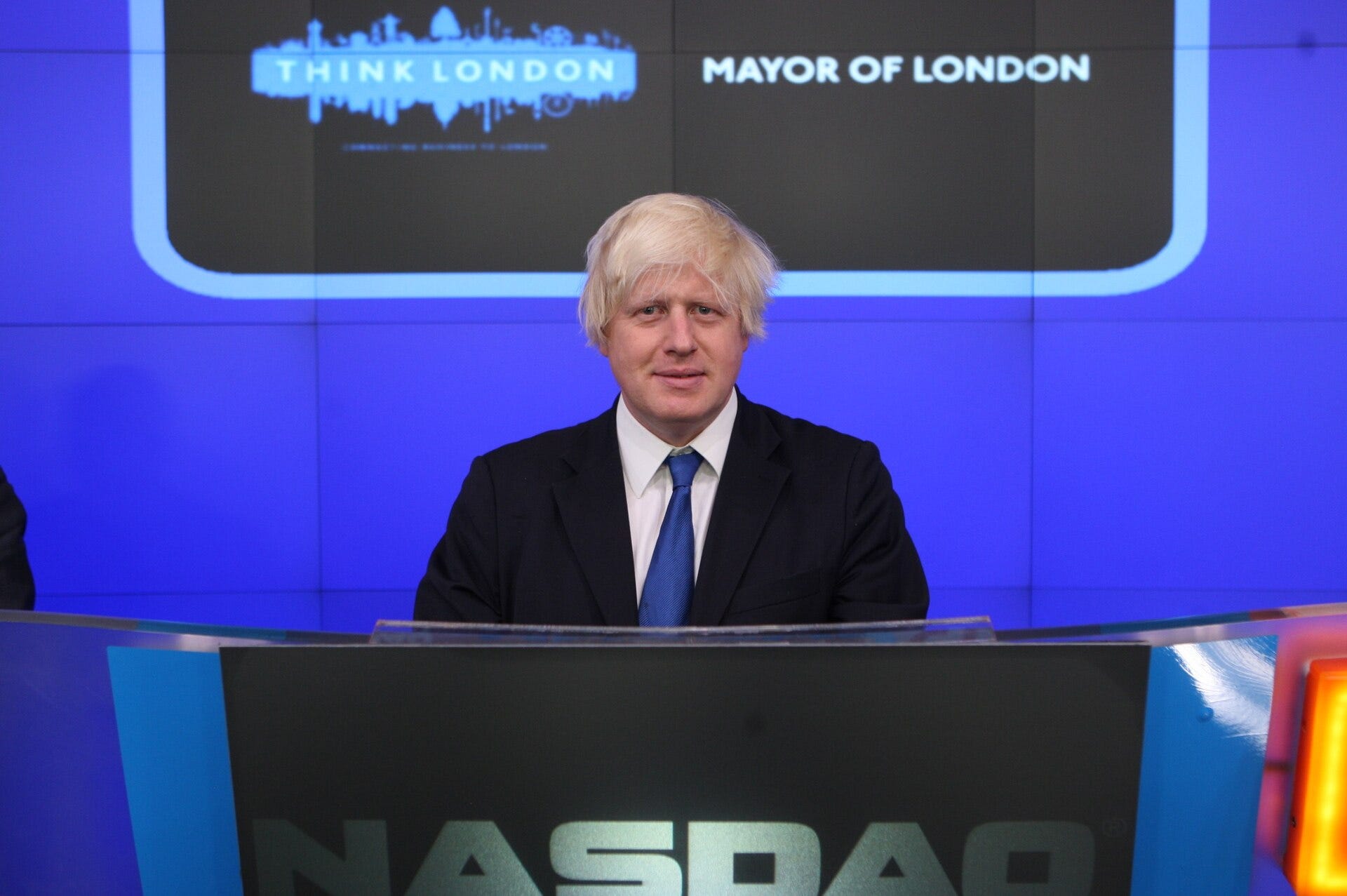
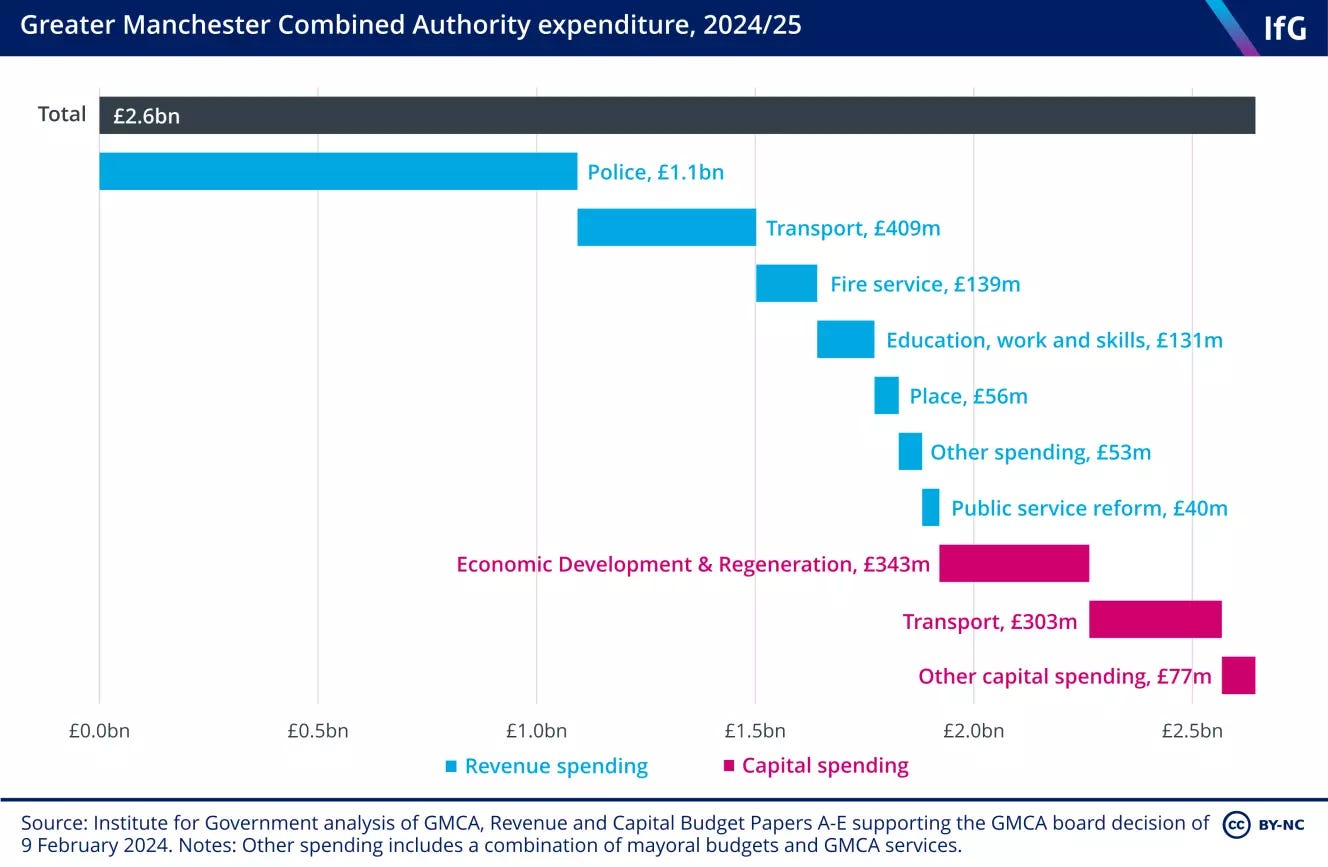
The pertinent question is therefore: is being Mayor of London or Manchester commensurate with serving as Home Secretary or Chancellor of the Exchequer? In many of ways, of course it is. Burnham heads the Greater Manchester Combined Authority (GMCA) and controls a budget of around £2.6bn, with responsibility for a whole range of polices such as transport, skills, planning and policing. GMCA additionally has some control over a £6bn health and social care budget.
But there remains an HM Treasury-sized hole in England’s devolution settlement: tax raising powers, or lack thereof. As mayor, Burnham has the power to set a council tax precept for any additional discretionary revenue, currently £128.95 for a Band D property while some business rates are retained locally. But in reality, metro mayors are reliant on central government grants for a range of programmes.
Money for nothing
During the Covid-19 pandemic, I interviewed a number of mayors, including Burnham, for The House Magazine, and his frustration with the fiscal status quo was obvious:
If devolution continues to be all of us bending our knees asking for this bit of money for this or that then we don’t have true devolution.
Dan Jarvis, then mayor of the Sheffield City Region, concurred.
You’ve always got to start with the money. At the moment, we’re only able to draw upon a series of small, short-term pots and these often come with quite onerous restrictions.
But if mayors lack many of the fiscal levers they say they need to do the job properly, just how good a training is it for prime minister? Back to Johnson for a moment because, if you recall, he was perceived to be a moderate success in London. An enthusiastic cheerleader for the city both at home and abroad, his greatest failure — a garden bridge that was never built — was costly and embarrassing but at least did not involve fatalities.

Yet Johnson was widely panned for his performance as foreign secretary and could not sustain a premiership despite a substantial parliamentary majority. Does the fact that he appeared to prosper as mayor before faltering in high ministerial office evidence that the role of metro mayor is insufficiently difficult? Put another way, should one be able to run the capital but not a government department?
Keep reading with a 7-day free trial
Subscribe to Lines To Take to keep reading this post and get 7 days of free access to the full post archives.