



Do you remember the anonymous “I Am Part of the Resistance Inside the Trump Administration” op-ed?1 In the piece, published by the New York Times in September 2018, the author claimed that many senior individuals in the administration were working from within to frustrate parts of the president’s agenda. It was a whole thing.
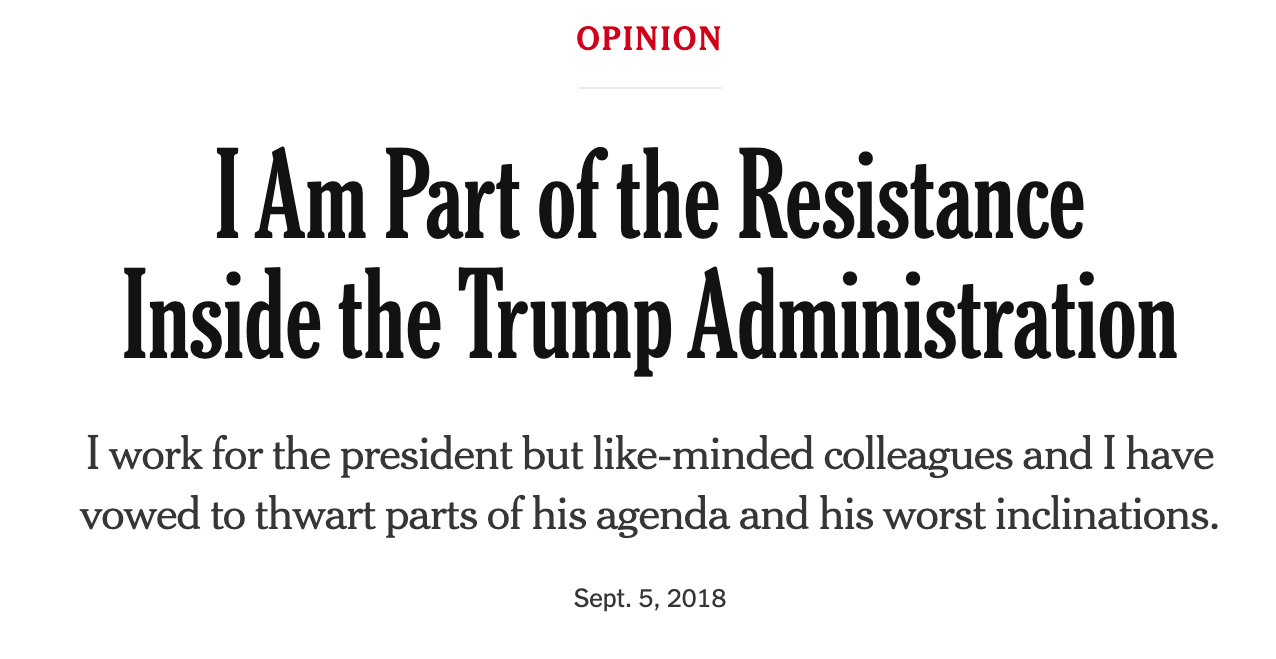
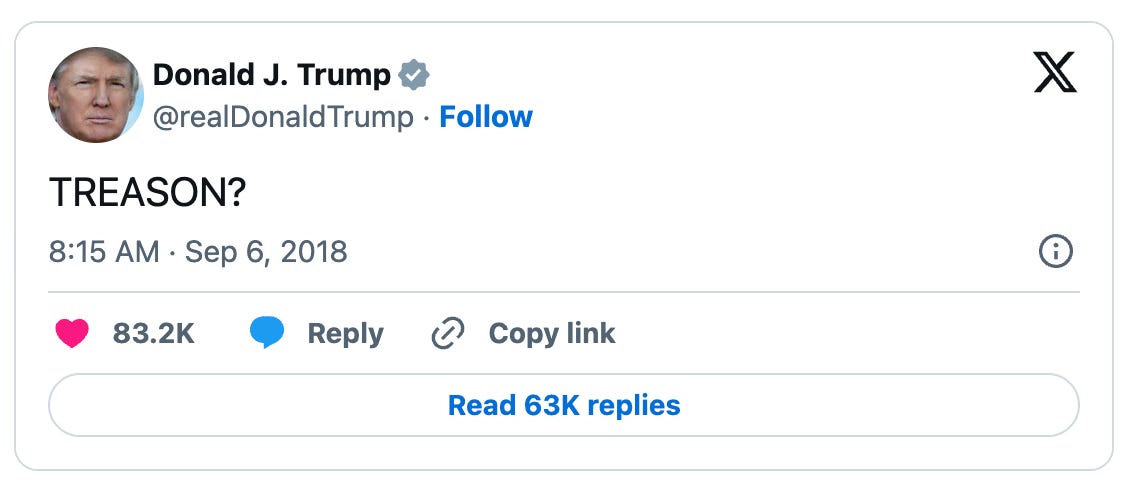
And the fallout was instant. Donald Trump, still on the social platform then called Twitter, attacked the author and the “failing” Times, later posting a one-word Tweet: “TREASON?”
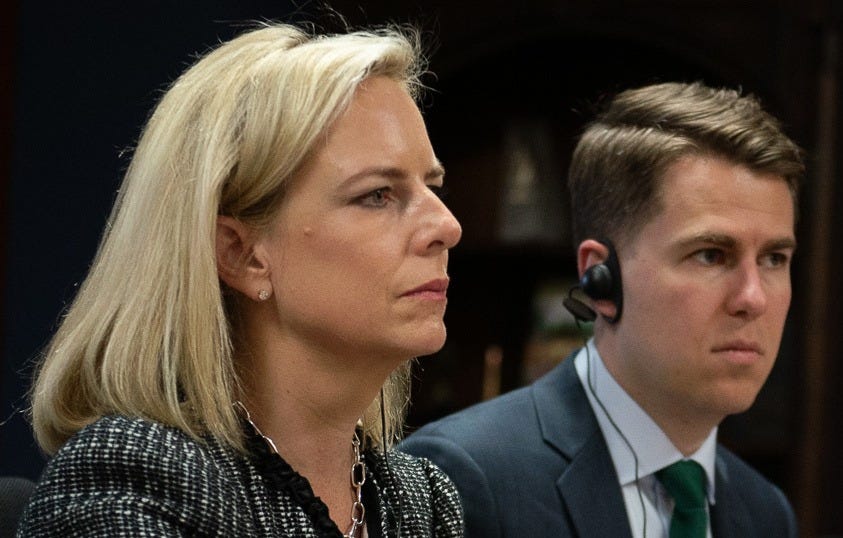
The White House launched a frantic investigation in an attempt to uncover the ‘senior administration official’. Cabinet members — including Vice President Mike Pence — felt compelled to publicly deny authorship.
The media, what with its pesky First Amendment rights, were also keen on identifying the individual. And in the era before large language models began to pollute the written expression, everyone was on the lookout for clues in the writing. [Editor’s note: can you imagine a more ‘the Strait of Hormuz is still very much open’ news event?]
Twinkle, twinkle little lodestar
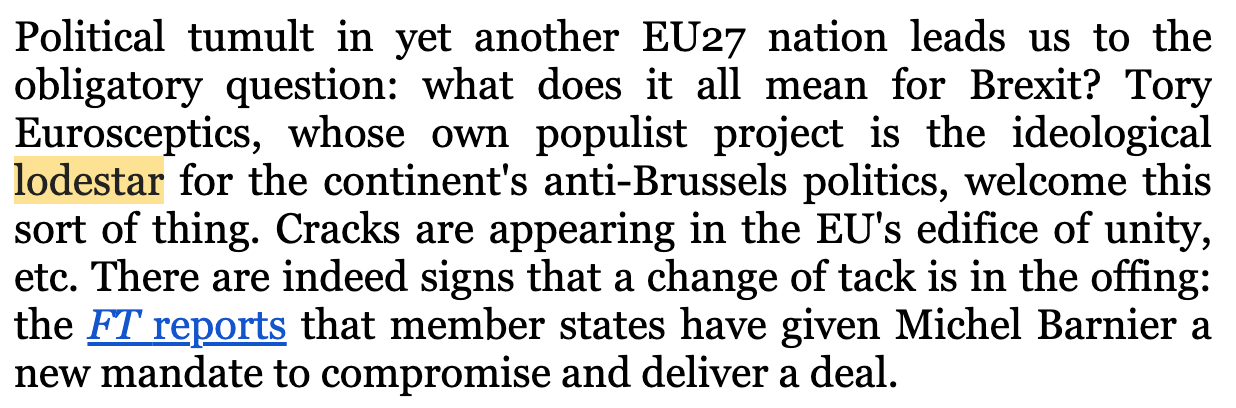
For instance, it was widely acknowledged the word “lodestar”, which appeared in a section of the op-ed praising the late John McCain, could be a verbal breadcrumb. Meaning ‘guiding star’, it was unusual enough to stand out and as good as any place to start digging. (Patrick Maguire, then at the New Statesman, deployed the word five days later in his newsletter, a detail I very much appreciated.)
It’s also how Pence gets involved, with numerous reporters noting that the Vice President had frequently used the word in his speeches, dating back years. Et tu, Mike? Alas, it would be a couple more years — and Trump merely tweeting about his deputy’s shortcomings while the baying crowd he had assembled erected gallows — before Pence decided to join the resistance.
Meanwhile, the op-ed author revealed himself to be Miles Taylor, then deputy chief of staff at the Department of Homeland Security.
I was working at the (UK, your honour) Treasury at the time and so wasn’t doing much in the way of writing, beyond setting the Northern Ireland Executive’s draft budget weeks before it collapsed, though I prefer to blame the Renewable Heat Incentive2 scandal, First Minister Arlene Foster and Deputy First Minister3 Martin McGuinness, rather than my departmental expenditure limits.
Are we out of the Bretton Woods?
Nonetheless, it got me thinking. Were I ever to anonymously pitch a comment piece to, say, the Financial Times, revealing all my valiant attempts to bring fiscal stability to Ulster or my thwarted plans to raise fuel duty by as much as RPI inflation, would my verbal tics give the game away?
Look, this is unspinnably self-indulgent. No one, beyond a select few extremely smart, funny and smoking hot subscribers, has even the foggiest who I am, let alone how I write. There are, as far as I’m aware, no undergraduate English courses that cover Hemingway’s love of short clauses, Mantel’s adherence to the present tense, oh, and Kessler’s obsession with the Bretton Woods system.
With the prebuttal competently dispatched, here is a highly curated list of idiosyncrasies that would have me swiftly identified and summarily fired:
“Something of a” — things can never be too declarative. Everything must be hedged. Please, Lord, let there always be wriggle room.
“Galloping shock”, never simply “shock” or, heaven forbid, anything as pedestrian as “surprise”. It’s a Sorkinism, though I’m practically teetotal compared with my teenage years.
“Frankly”, as in “mild”, “unattractive” or “unwise”. Also, “mercifully” as in “rare”, “short” or “unaware”.
There is always an aviation angle.
The balance of payments, the exchange rate mechanism and Russia’s “full-scale” invasion of Ukraine — the latter, in recognition of the 2014 invasion of the Donbas region and illegal annexation of Crimea.
Taffy Brodesser-Akner, Curtis Sittenfeld and surely one other female Jewish novelist.
Stephen Kotkin, Robert Caro and, forgive me, for I have sinned, Jeffrey Archer.