



In attempting to extricate itself from the European Union, the United Kingdom faced a number of problems.1 The fundamental issue was that the country had spent more than four decades deeply integrated into the bloc, and so leaving meant having to disentangle endless legal, economic and institutional relationships. This was less cancelling a gym membership than attempting to remove an egg from an omelette.
All the while, there was the central conceptual difficulty that different Brexit objectives (Singapore-on-Thames! Canada plus plus plus! Juche!) often came into conflict. Then there was the fact that no parliamentary majority existed for anything. And thanks to a David Cameron edict, the civil service was effectively banned from making any preparations prior to the referendum.
But at the time, the biggest challenge was… time itself.
Liberté, Égalité, Barnier
The EU27 was clear and united: no negotiations until Article 50, the process by which a member state can voluntarily leave, had been triggered. This was to prevent those devious Brits from attempting a divide et impera approach, whereby we would seek to undermine the bloc by engaging in bilateral negotiations with individual member states (the favoured position of David Davis during the campaign, if you recall).
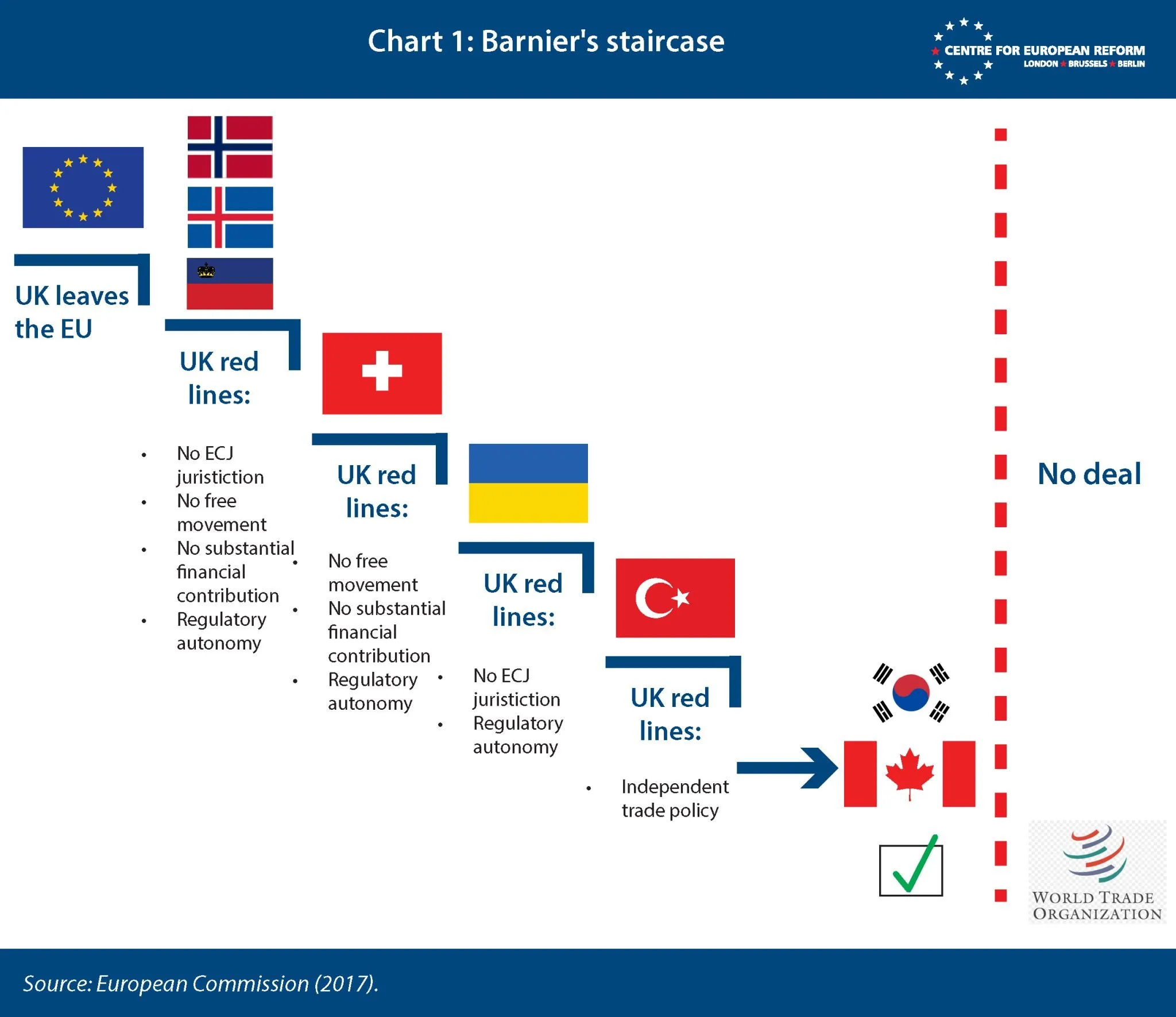
The thing about Article 50 was that it granted the UK just two years within which to agree and ratify a withdrawal deal — unless both parties agreed to an extension. Given the dire economic and reputational damage of a no-deal Brexit for the UK, this gave the EU an enormous advantage in negotiations.
Still, as any first-year philosophy undergraduate will tell you, finitude gives things meaning. Mortality generates urgency; deadlines make choices weigh something. In that spirit, if the biggest problem with Article 50 was its finality, then Article 49 — the legal basis for any European state to join the EU — appears to suffer from the opposite affliction.
Just ask Turkey2, officially granted candidate status in December 1999.
Rejoin what, exactly?
There has been some excitement in pro-EU circles following Andy Burnham’s conference speech, in which he said Britain should consider options for its future relationship with the EU, later clarifying that this included the possibility of a second referendum.
This would have broad public backing, at least in the abstract, with polling by YouGov finding support for rejoining at 55%, with 34% opposed.3 The problem is this tends to go into something akin to reverse when real-world conditions are applied, such as joining the single currency and Schengen agreement.
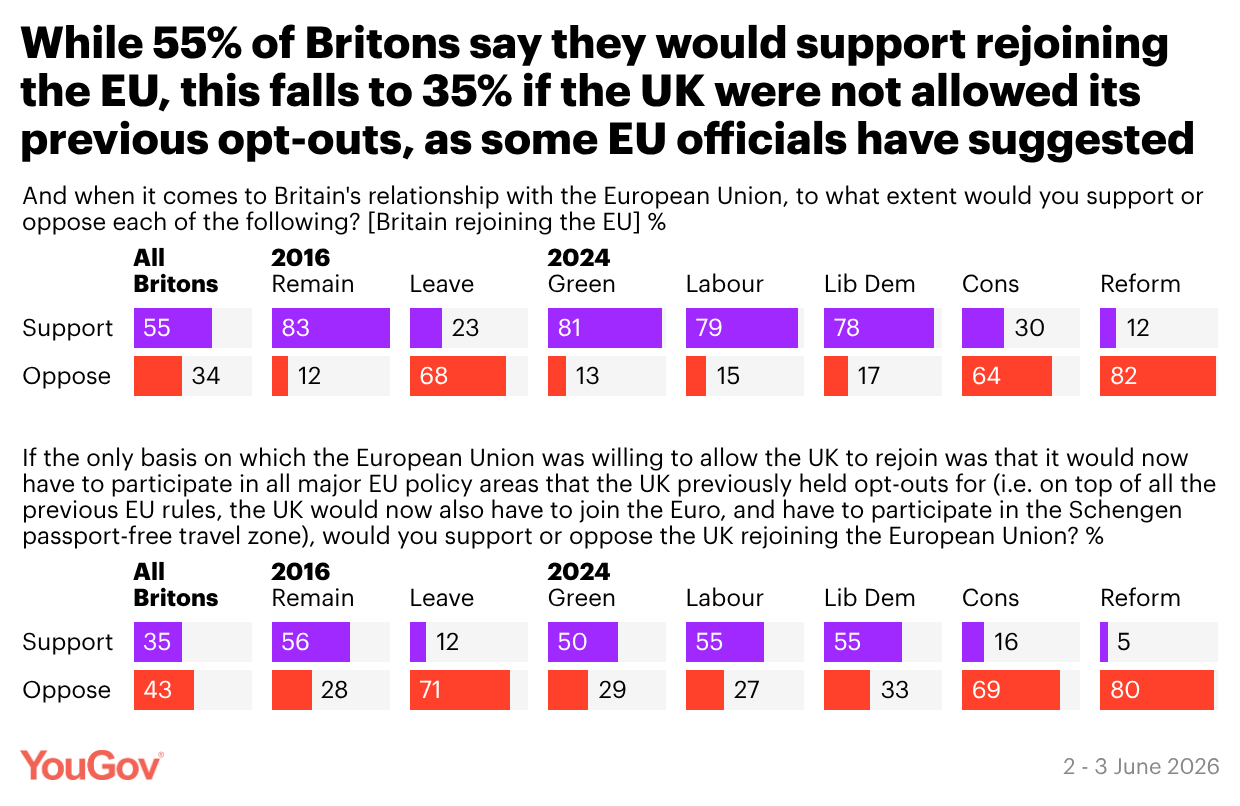
And what of those pesky Europeans with their vetoes and generous provisions of UHT milk? Unsurprisingly, they’re not so keen on the opt-outs the UK once enjoyed.