


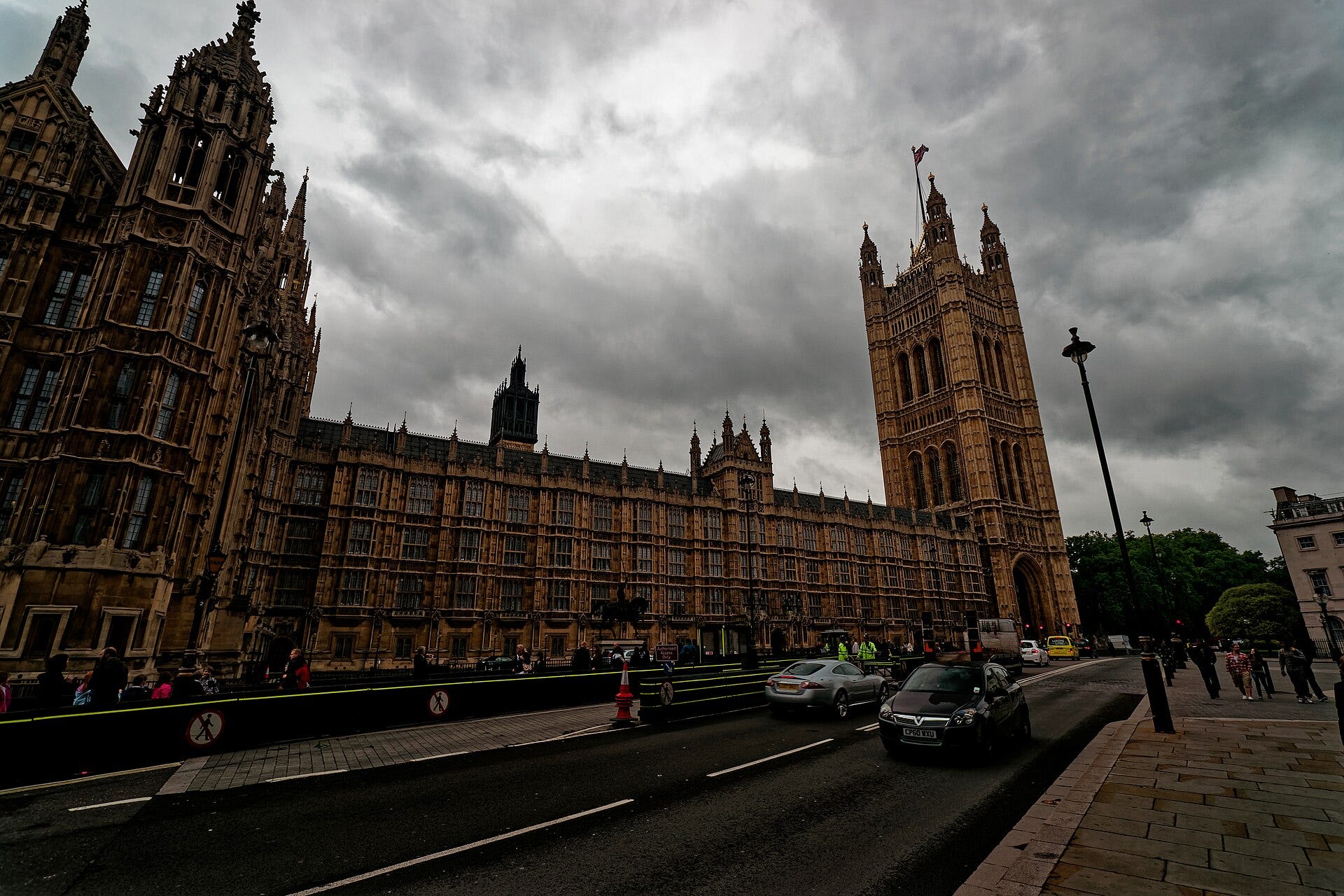
Working for several Members of Parliament, I got to do some cool stuff: write speeches, develop policy, laze around the Commons Terrace for most of the afternoon during summer recess. But in terms of actual vote-getting? The only thing I ever did that made the slightest bit of difference was arranging tours for constituents.
Mercifully, the tours themselves were provided externally. That is, professional tour guides employed directly by the parliamentary authorities who actually knew what the paintings in Westminster Hall depicted, and not simply freelancing with an air of private school assurance.
But sometimes, whether due to a last-minute request or some logistical cock-up, I had to deliver the tour. On one occasion, this involved me showing two dozen or so school children around the palace. They must have been no older than eight or nine, and with only half an hour until the coaches arrived to take them home, I was fairly sanguine about the whole thing.
And then we walked down the Lords corridor.
Rumour has it
Parliament runs on rumour and gossip.1 This is perhaps unsurprising, given that there are few hard-and-fast rules or formal institutions. Everyone is operating under incomplete information, so being ‘in the know’ confers status. Information is exchanged, sometimes for specific trades, but more often for the express purpose of building relationships and boosting influence. All this watered down with a culture of plausible deniability.
Much of the information to which I had access was at the staff level and fairly innocuous: who was sleeping with whom, which MP was an absolute nightmare to work for and should be avoided at all costs. But there was darker stuff too. Rumours — always, as far as I could tell, unsubstantiated — involving addiction, coercion and assault.