


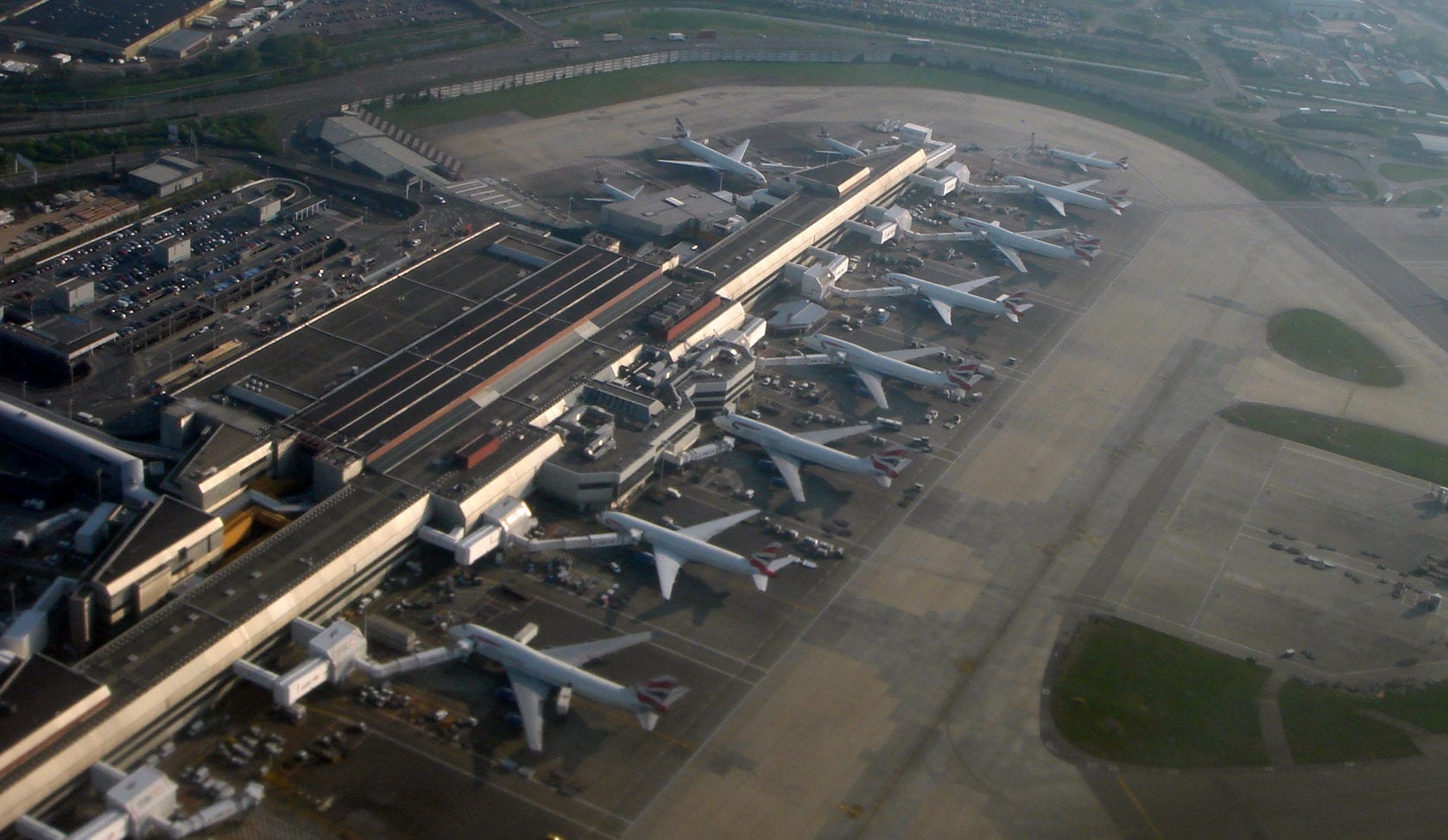
It feels to me there are two things we have come to hate: the way things are, and change. For years, airlines have been urging Heathrow, the world’s busiest two-runway airport, to construct a third. Yet as soon as a proposal kisses the mahogany grain, they balk at the cost — the latest one projected at £33bn, as part of a wider £49bn, decade-long investment programme.
International Airlines Group, the parent company of British Airways, Iberia and Aer Lingus and the airport’s largest customer, has branded the project “unaffordable” — and this is far from a minority view. Virgin Atlantic, Singapore Airlines and United Airlines have criticised the proposed costs.
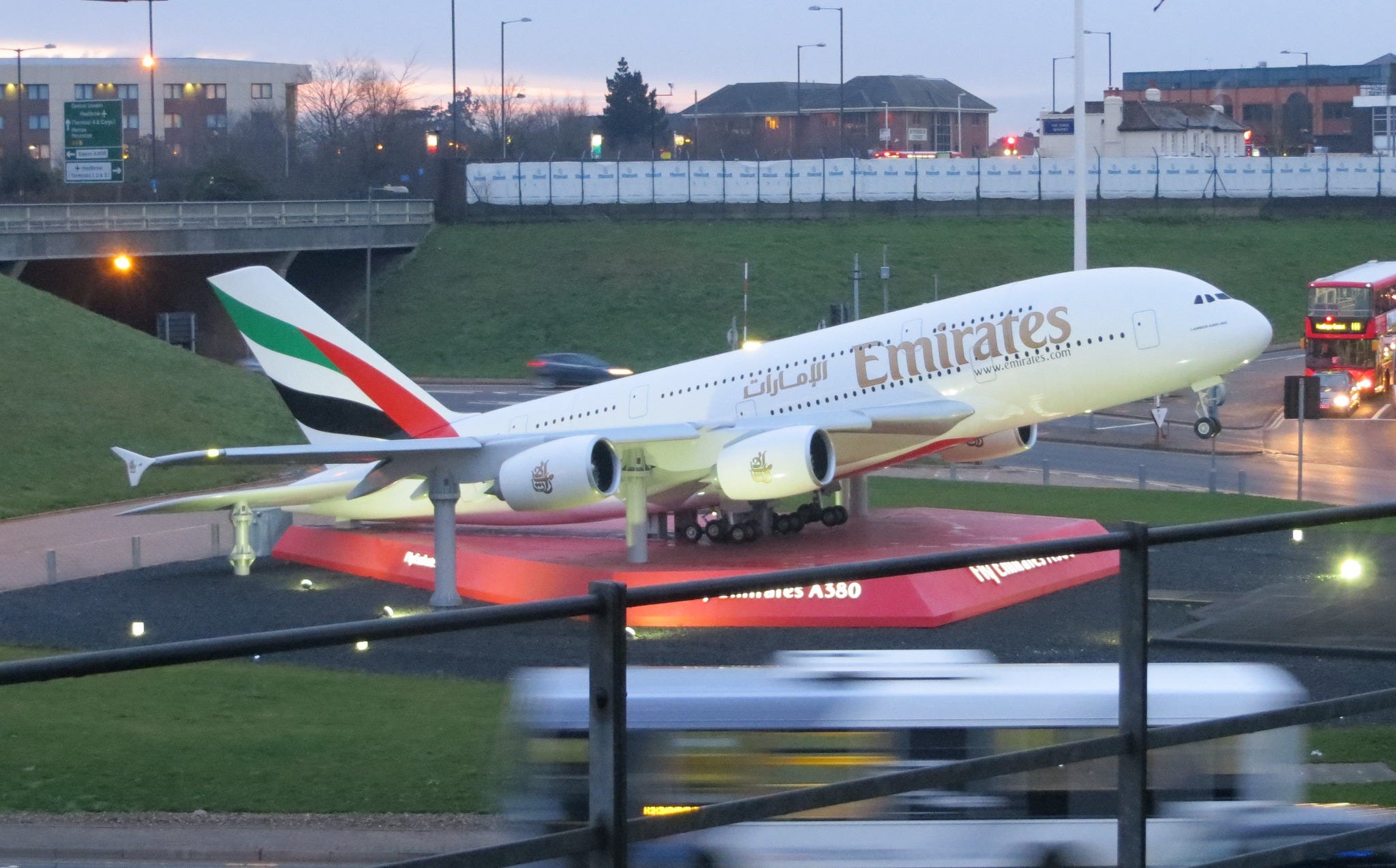
No lesser authority than Sir Tim Clark, whose airline, Emirates, serves Heathrow with six daily A380 flights, threatened legal action if airlines were forced to fund the redevelopment via higher landing charges. Which is exactly what the Civil Aviation Authority, the industry regulator, looks set to sanction.
As far as on-again, off-again situationships go — Ross and Rachel, Carrie and Mr Big, Mulder and Scully — they have nothing on the UK government and Heathrow. Feel free to glaze over the bullets below:
December 2003: Labour government’s Aviation White Paper backs a third runway, subject to environmental conditions
January 2009: Government formally approves the plan
May 2010: New Conservative-Lib Dem coalition government cancels the project
July 2015: The independent Airports Commission recommends a third runway
June 2018: The House of Commons backs expansion by a majority of 296. Boris Johnson, who had previously promised to “lay down with you in front of those bulldozers”, missed the vote
February 2020: The government’s approval is ruled illegal by the Court of Appeal, on the grounds that it failed to consider the UK’s obligations under the 2015 Paris Climate Agreement
December 2020: The Supreme Court overturns the lower court
2021-2024 — Expansion activity paused due to the Covid-19 pandemic
January 2025: Chancellor Rachel Reeves announces support for a third runway
July 2025: Heathrow submits its proposals to the government
November 2025: Government backs Heathrow’s £49bn plan
And I get it. Heathrow is already planet Earth’s most expensive airport, with fees per passenger of around £28. The proposed £49bn cost is mad. Then there’s the need to demolish up to 1,000 homes, pick up the M25 and drag it 130 metres to the west (oh, and underground), fundamentally redesign London airspace, somehow negotiate the environmental constraints — all while keeping the UK’s only hub airport operating at 98% capacity.
So why am I so picking on the airlines? I think because of the idea, so rife across Britain, that while something must be done, no one, or at least not ordinary people, should have to pay for it. I’m fairly certain it wasn’t always this way.
Panic, a tax
Back in the prelapsarian 1990s and 2000s, governments raised taxes. And not just any old taxes — broad-based ones. In 1991, VAT rose from 15% to 17.5%, 1993 saw the introduction of the fuel duty escalator and council tax, 2002 the rise in national insurance. But something snapped.
These tax rises were hardly painless — the fuel escalator was eventually ditched. But governments made them anyway, judging that the long-term economic benefits outweighed the short-term political costs. Even the Coalition government raised VAT to 20%. But since then, the willingness to go big on tax has atrophied. In its place: endless ‘tax locks’.
In the build-up to the 2015 general election, the Tories ruled out raising any of the three main taxes: income tax, national insurance and VAT. This pledge was repeated in 2019 and 2024. Despite massive and consistent polling leads, Labour did the same in its 2024 manifesto1. Instead, aside from the short-lived Health and Social Care Levy under then chancellor Rishi Sunak, we got Jeremy Hunt’s two national insurance cuts, as part of an apparent scorched earth policy.
In lieu of broad-based tax rises, we got two phenomena: fiscal drag and small, politically damaging tax rises. Oh, and fibs.