


It has, mercifully, been supplanted by more recent stress dreams: you know, the ones where you find yourself — inexplicably — back in that mouldy apartment, that soul-crushing job or that codependent relationship.
Still, I am occasionally forced to acknowledge the memory that lurks beneath several million layers of electronic rock. The email contained two attachments — a cover letter and CV — which I had drafted, edited and triple-checked to within an inch of my sanity. This was the early 2010s, so there was still a reasonable chance a living, breathing organism might actually read it.
I knew everything about the company, the hiring manager and her mother’s maiden name. Each claim I made was backed up and no statistic went unreferenced, while the tone conveyed just the right amount of personality without tipping into anything that might alienate the reader. I was content — even if I never heard back, I’d done my best.
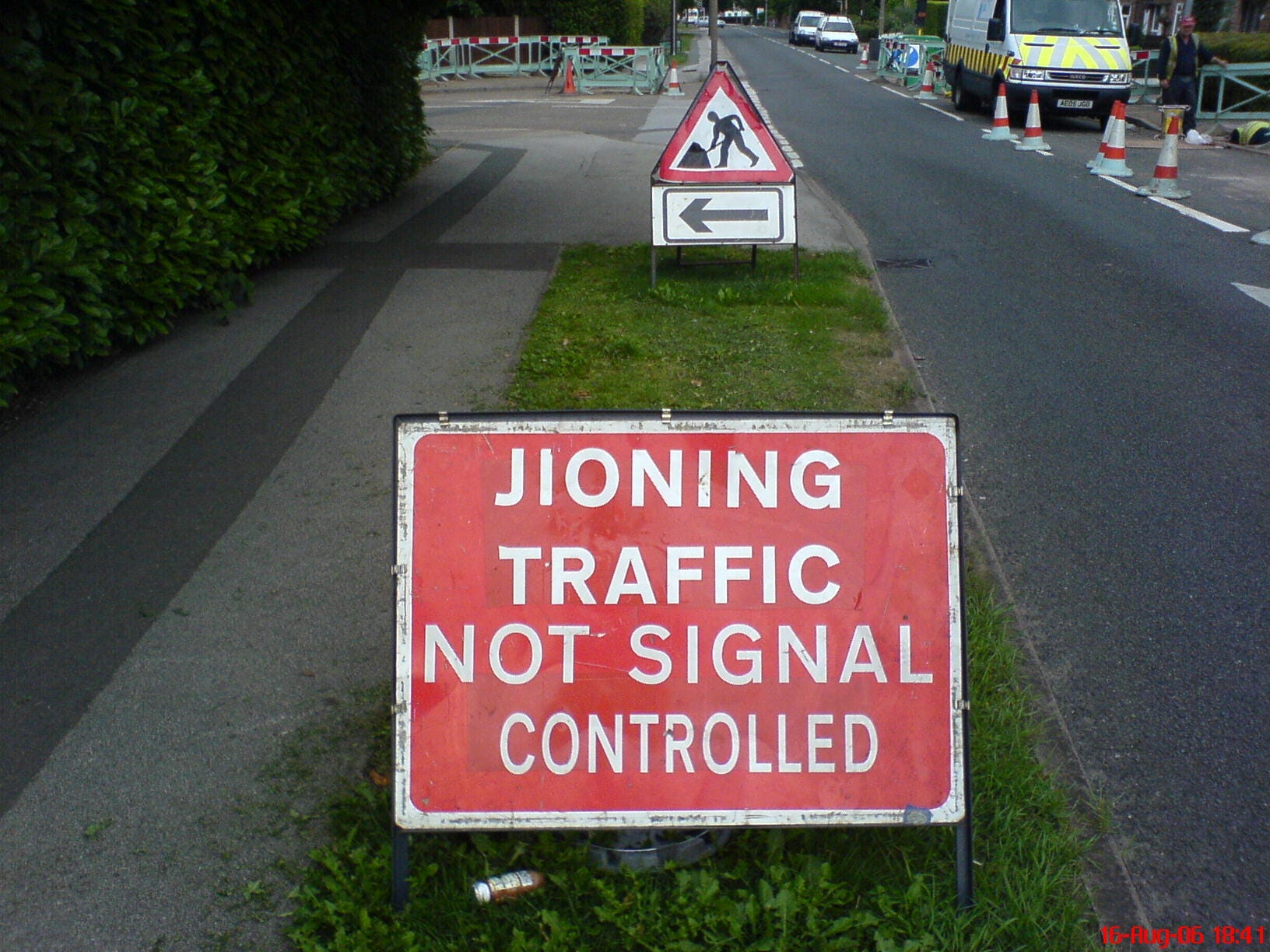
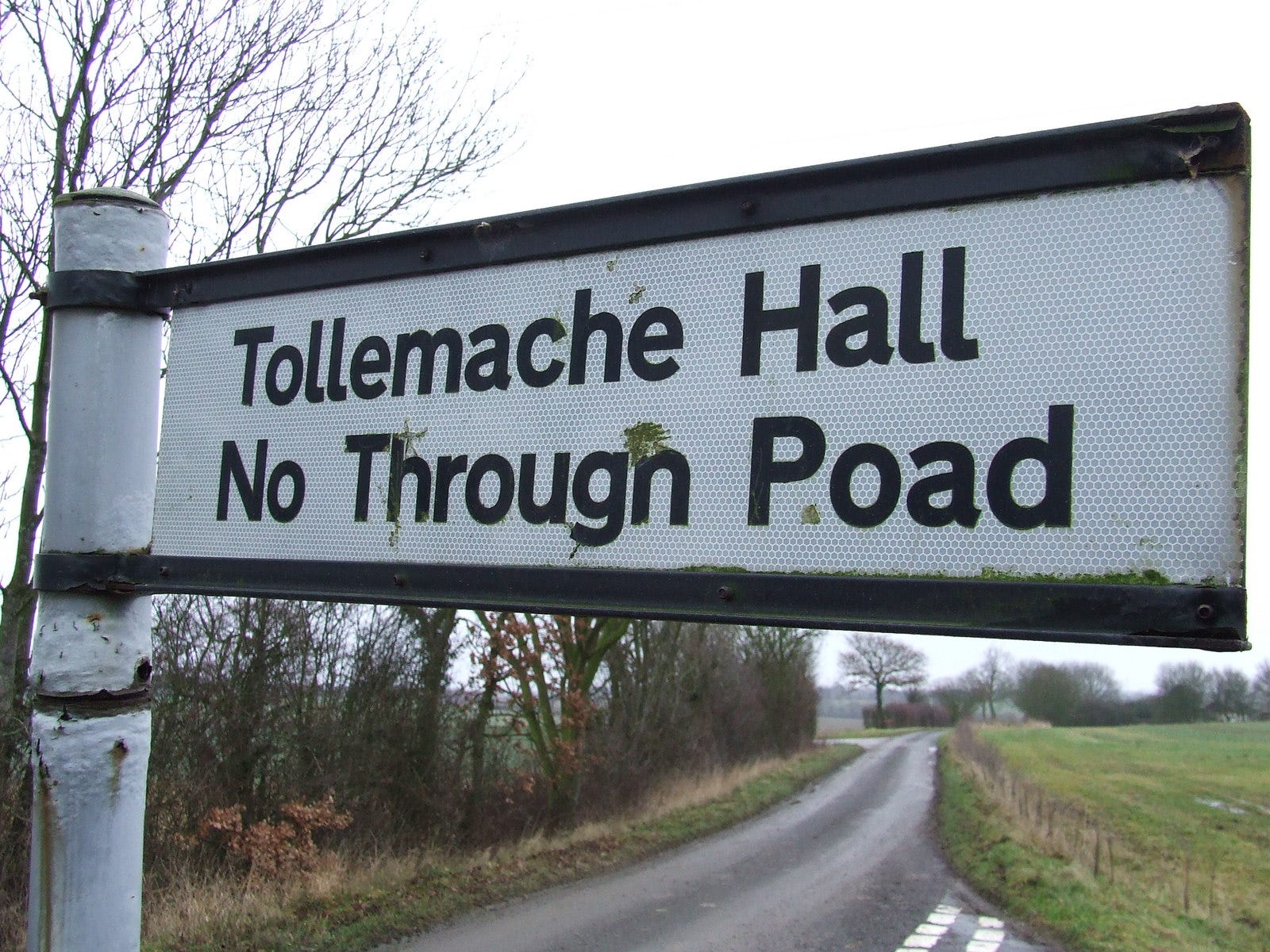
Of course, soon after hitting ‘send’ and re-reading the draft, I noticed that I’d spelt the hiring manager’s name incorrectly. At which point I let out a whimper, put on my pyjamas and inhaled a family size box of Ritz crackers. I haven’t been able to touch the stuff since.
Obviously, I wasn’t going to get an interview and I don’t for a moment blame her. She’d doubtless received hundreds of applications and there has to be some painless way of whittling them down. An immediate typo in a name surely suggests a lack of care if not a walking international incident.
But when it comes to other forms of writing, how important is blemish-free copy?
“Spelling is fun” — Taylor Swift, “Me!”
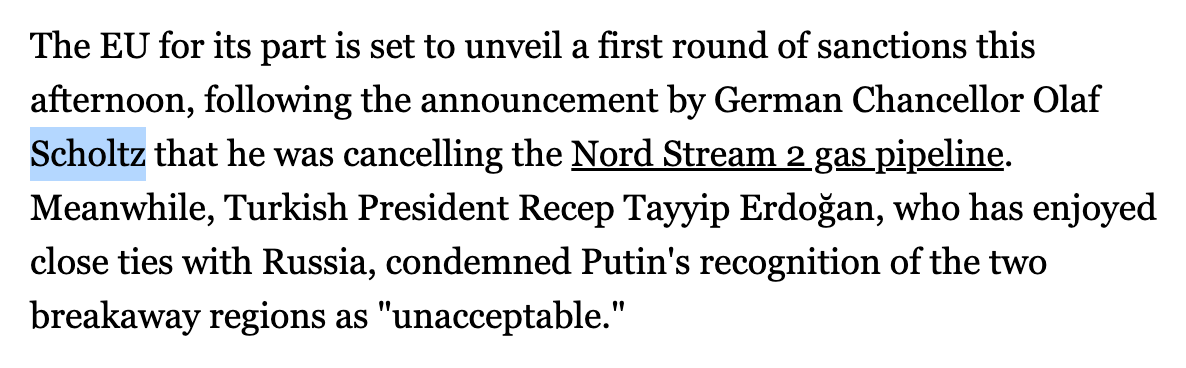
Before we go any further, I’d like to draw the House’s attention to my entry in the Register of Newsletter Writers’ Interests. I have committed many typos dating back to my West End Final days. This is an occupational hazard of having no editor to provide the second pair of eyes and ponder: who the heck is Olaf Scholtz?
If I appear whimsical, it is only as coping mechanism. I hate typos. I try my best to eradicate them from my work, using online tools as well as old-fashioned hacks such as reading aloud, changing the format and, best but most time-sapping, reading backwards1.
I hate typos for the obvious reason that they look bad, damage credibility and empower truly the worst people on the internet to email in gleefully pointing out every errant article. Still, like being winded on the football pitch, typos are at least recoverable in comparison to factual mistakes.
I once wrote a piece for Tortoise (cc stress dreams) in which I confidently asserted that Winston Churchill became prime minister in 1939 (it was 1940) amongst other small but serious errors. For the first time in years, I could taste salty, buttery cracker rising from my gut.

Whether spelling, syntactic or factual, what is eternally at stake is also the most important quality in any writer, in anyone really: credibility. Derived from the Latin verb credere, meaning to trust or believe, it is where we get English words such as creed, credentials and, most importantly for wavering subscribers to Lines To Take, credit cards.
It’s also, let’s face it, a polite way of asking whether someone or something is full of crap. Back in the 1960s, the term “credibility gap” was favoured to describe the growing chasm between what the Lyndon Johnson White House was saying about Vietnam, and the reality of boots on the ground. But what was really meant by it was: the president is a liar.
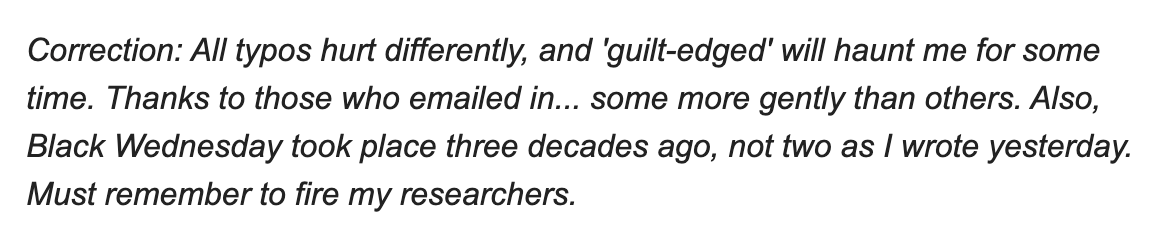
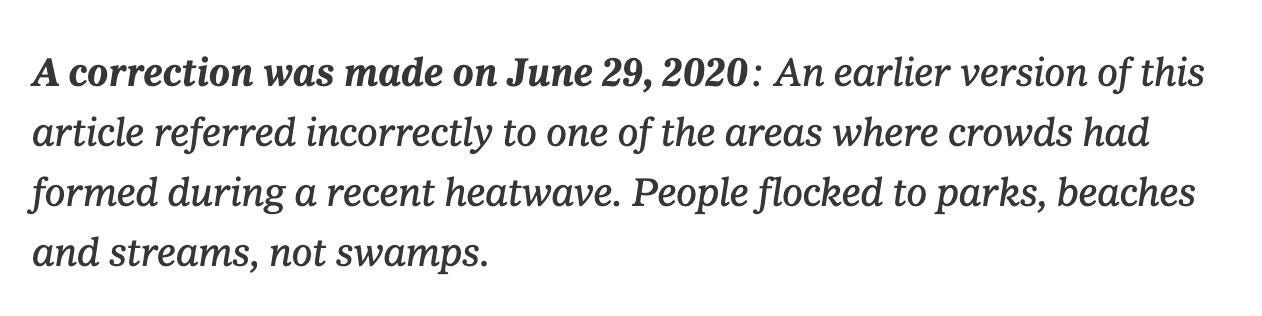
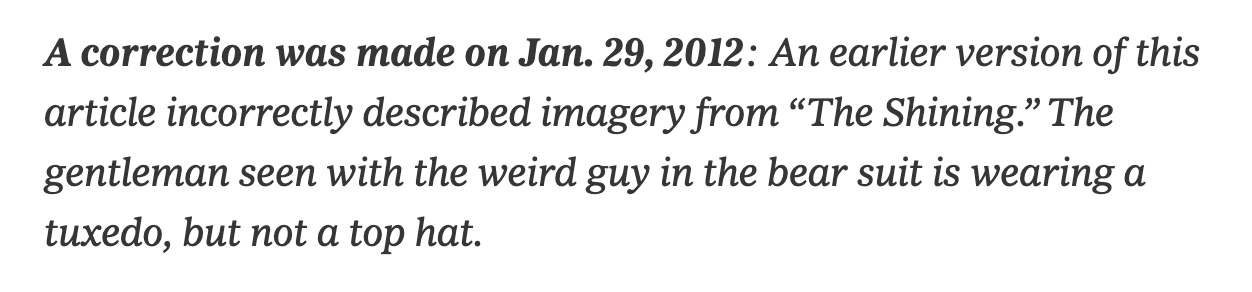
Sometimes, of course, an error provides the opportunity to deepen trust and recover ground. Everyone makes mistakes, but all too few offer corrections. That is the difference between an honest attempt to get it right and a charlatan. And no one is immune. The New York Times, which as of 2024 employed 7% of all US journalists and presumably some sub-editors, gets it wrong with gusto:
And not always about the UK:
Typos of any kind are infuriating, mostly because they threaten to undermine the credibility of an entire argument. At the same time, one can only do one’s best and learn to roll with the punches.
At the very start of my newsletter writing journey, I hit ‘send’ from the Evening Standard’s west London offices, stepped on the Tube at Marble Arch, promptly lost signal and spent half an hour in a panic that I called Louise Casey ‘Baroness’ instead of ‘Dame’.
Only to emerge at Bethnal Green to discover she was in fact… both.
Any mistakes in today’s edition are obviously deliberate and hilarious etc and so on
It seems clear for which newspaper you should go to work (you don’t like the position of “for”, here?). Go and sort them out. Do I need to spell out which?
The bane of writers' lives, Jack - so agree. And you can proofread so many times and still find more, even with the red wavy Word lines. Using AI to proof read can help!