



Foreign Premier League players whose names sound like the husband, wife and socially awkward son you might bump into on a 1970s package holiday. See: former West Ham goalkeeper Adrian, Liverpool’s Alisson and Everton forward (Thierno) Barry.
It is the question of our lithium-ion battery age: should you keep your laptop permanently connected to power or let it run down and then do a full charge? The answer is… the former. Modern computers stop charging at 100% and run directly off the mains, so leaving it plugged in doesn’t “overcharge” the battery or burn through charge cycles.
By contrast, allowing it to drain to near zero before fully recharging is actually harder on lithium-ion batteries. The old advice to occasionally let it die was for older, nickel-based models. Side note: heat can be the bigger enemy than overall charge level, and a limit of 80% can in fact be better than sitting permanently at 100%.
This is now a consumer affairs newsletter.
I was struck in last month’s Budget by the sheer number of time-limited spending measures. Think the energy support package and other cost of living announcements. And it got me wondering whether the phenomenon has risen in recent times, and if that in turn can be attributed to the fiscal rules, which state:
The current budget should be on course to be in balance or surplus by 2029/30.
Net financial debt should fall as a share of the economy in the third year of the forecast.
Because, a single-year spending commitment doesn’t affect spending plans in the year that matters, whereas a permanent one very much does. I keep meaning to ask Jill Rutter about this and may write something up in future.
There are endless classic Simpsons DVD extra commentaries available on YouTube and my primary reflection is how the creators and writers of some of the greatest television ever are... neither funny nor especially insightful?

Incidentally, I love how YouTube will let users upload pretty much any copyrighted content (entire movies! books!) but woe betide anyone who tries to sample 10-15 seconds of popular music for their original video idea.
The third and final volume of Stephen Kotkin’s magisterial biography of Joseph Stalin is running years behind schedule. Kotkin, whose main competition both as greatest living historian and best holder of a New York accent is Robert Caro, recently explained the problem:
Volume I, Stalin: Paradox of Power, didn’t actually have all that much Stalin in it, leaving more space for German unification, the machinations of Lenin and the overthrow of Tsar Nicholas II.
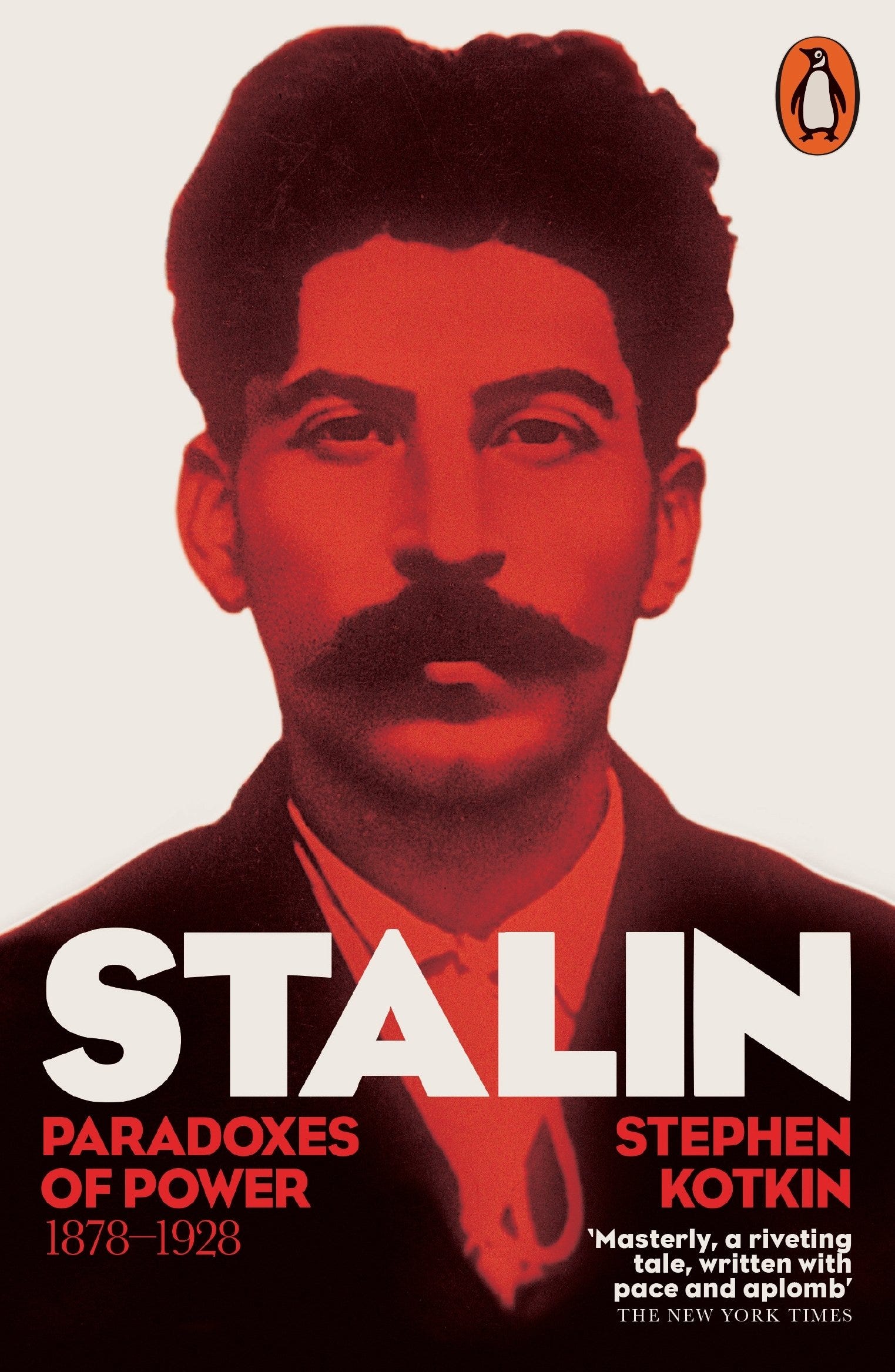
Volume II, Waiting for Hitler, was harder because it dealt with Stalin as a major figure, as well as the five-year plans, collectivisation of agriculture, the Great Terror and the Second World War upto the start of Operation Barbarossa.
Volume III, Totalitarian Superpower, Kotkin says, has been exponentially more difficult to write because it must take in the despot, the rest of the Second World War, the Cold War and the dissolution of the Soviet Union. To be fair, that does sound like rather a lot.
Anyway, for those like me, simply treading water until publication day, enjoy the following lectures by Kotkin: the first on the Cold War and the four partitions of East Asia, the second on how the Red Army defeated the Nazis’ land army but lost the peace.
All marketing is local:

See. There’s always an aviation angle, part MCXVI:

I’ve executed the same double bow with my laces every time I’ve left the house since kindergarten. And yet:
9/10: bow comes undone
1/10: bow forms a knot tight enough to compete in the America’s Cup
We need the laces to show consistency and common sense.
Take out a free trial and then immediately cancel it once you discover the best public toilets in North London, the main difference between UK and US elections and how I almost ended up on Seinfeld.