


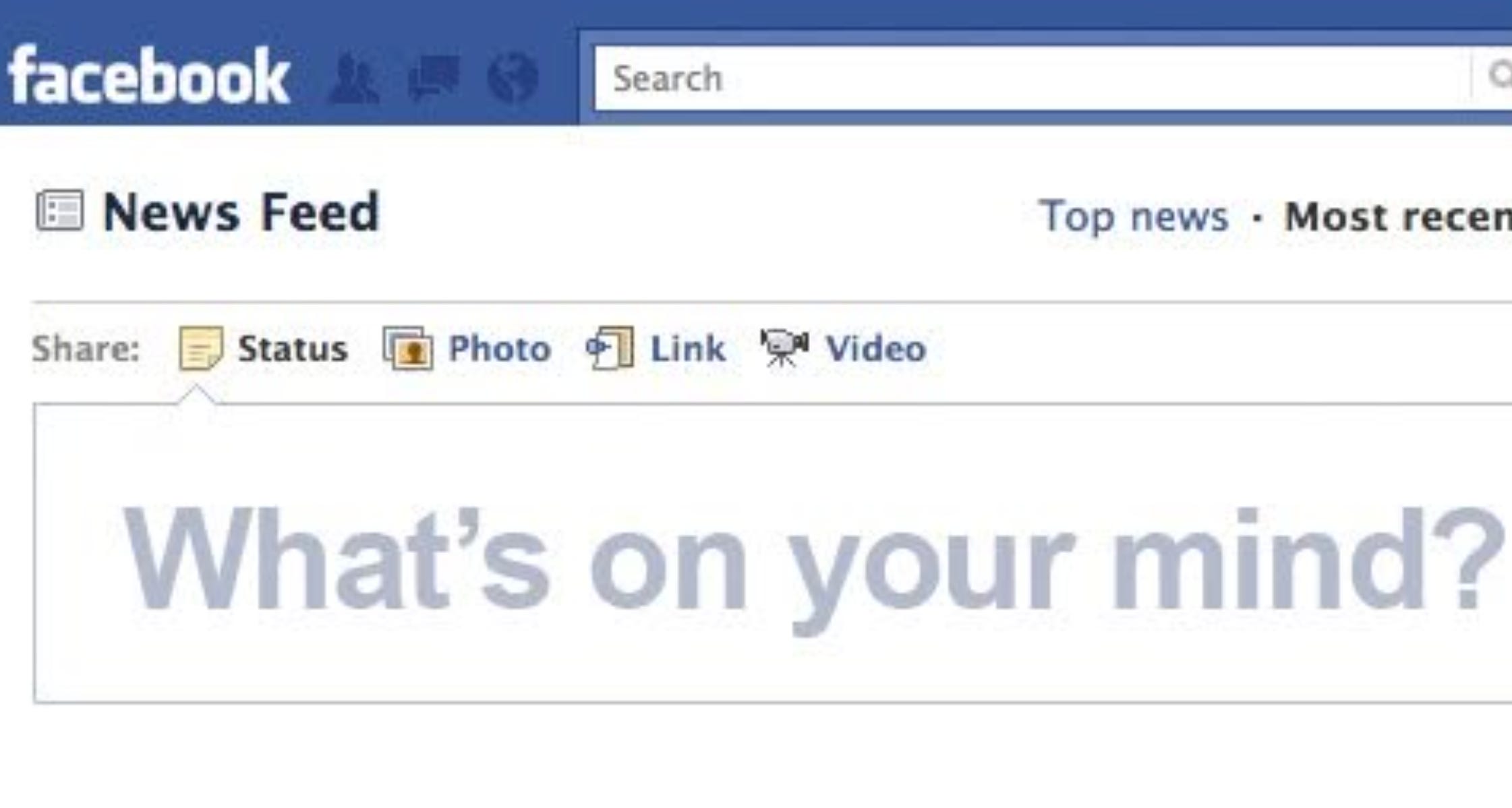
It is difficult to overstate just how important the Facebook status was for a period of, say, the 10 years between the collapse of Bear Stearns and the inauguration of Donald Trump.
Before text-based microblogging platforms were sold off to the alt-right and short-form video was still a twinkle in the Chinese Communist Party’s eyes, the status provided an opportunity for horny young adults to manufacture an image of themselves to the world with photolithographic precision.
The format itself encouraged public relations. Prior to 2009, all posts began with a name followed by “is”, effectively mandating that users refer to themselves in the third person. “Natalie is off to uni”, “Tom is eating toast”, “Jack is really overthinking this”.
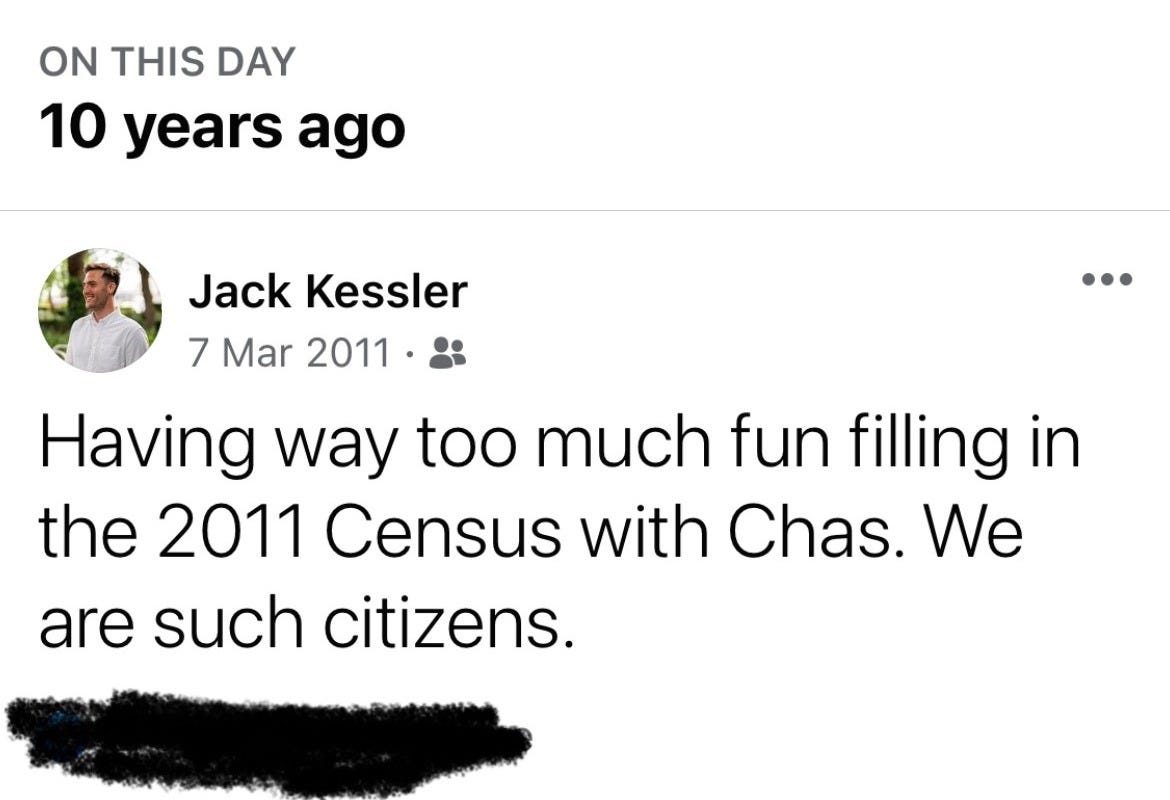
The Facebook status was the venue where many of us took our first steps towards vagueposting — those cryptic tomes such as “some people are so fake” or “can’t believe how things turned out”. These would be followed by, depending on the social standing of the original poster, scores of “what happened?? x” replies.
For reasons I can’t quite articulate, my pet peeve was the statuses that simply read: “LDN”, signalling the person was back in London. Just so tacky.
They say it's your birthday
There was no single moment when the algorithm swallowed the social network whole and therefore no big bang of our present-day content hellscape. But it was all there from the start: humblebrags (LinkedIn), wall-to-wall conversations (Twitter/X) and anthropomorphic fast-moving consumer goods brands (Threads).
Low-rent forms of peacocking were swiftly matched with minimum-effort forms of acknowledgement when the ‘like’ button launched in February 2009. The bar for engagement had been thoroughly, wonderfully debased. And finally we could properly quantify teenage popularity.
This was never clearer than on birthdays. Regardless of whether you’ve studied the birthday problem (the probability that, in a set of randomly chosen people, at least two will share the same birthday, which passes 50% at 23 people) you instinctively know.
Because on a social network where:
Everyone you know has 200-500 friends
Is young enough to still be happy about the reality of birthdays
And birthdays are permanently displayed on the homepage
The thing is relentless. And, for the socially conscious, this made birthdays a genuinely perilous occasion. What would happen is that, for the beautiful people at least, there would be a constant stream of “happy birthday” messages from midnight until well beyond the next day with its “belated happy bday!” screeds.
Such were the stakes that in the early 2010s, when Facebook suffered a global outage on my now-husband’s birthday, the resulting absence of messages he woke up to remains one of the most destabilising moments of his life. “The great Facebook blackout of 2012,” he still calls it with touching sincerity.