


Double-fault. Love-15. Double-fault. Love-30. Ball toss, swing and… the net ripples. From the manicured lawns of SW19 to the asphalt courts in the local park, the question is the same: what now? Logic, tension and several hundred thousand years of human biology screams at you to just get the damn second serve in. Defer to gravity.
Do. Not. Miss.
Of course, this is the opposite of what any coach (or for that matter the laws of fluid dynamics) will tell you, which is that the tentative second serve is the riskier shot. That the players who trust the process and swing hard to impart the necessary spin get rewarded.
Annoyingly, what works for tennis does not necessarily translate to other, less important endeavours. For instance, driving at 100mph on the motorway is not safer than sticking to 70mph. Escalating a war to de-escalate can end up looking rather more like the former than the latter.
Nevertheless, how fast a politician is prepared to go can teach us a lot about them and whether they believe that time is on their side.
Stillness and speed
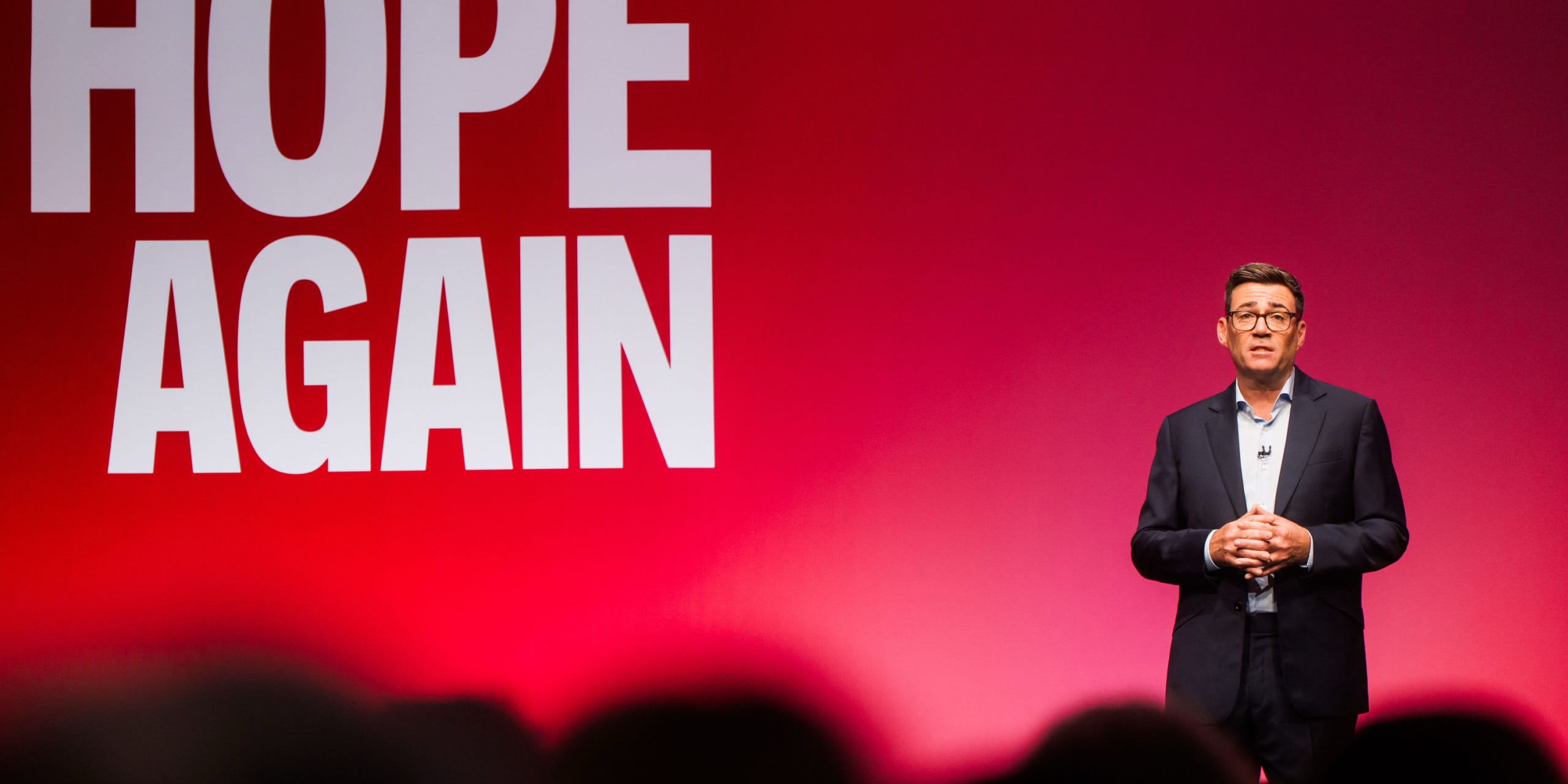
No one could accuse Andy Burnham’s speech to the Labour Party Conference, his first as leader, of being policy-lite. Pensions triple lock, social care, electoral reform, Brexit — if there was a third rail of British politics, the prime minister intended to step on it. At the same time, there was a curious asymmetry with regards to how fast he was prepared to go.
The triple lock won’t be scrapped reformed until 2030, social care is for the next parliament, the voting system to be determined by committee, the EU gets more talks about talks. As for the three main taxes, we already knew they weren't to be touched this side of an election. Burnham wants to wait, consult and ultimately take the nation on a journey.
Contrast this with another recent prime minister who came to power mid-term and without a mandate. Back in the autumn of 2022, Liz Truss had similar ambitions to rewire the country, in her case by cutting taxes and rolling back regulation. And she wanted to do it quickly.
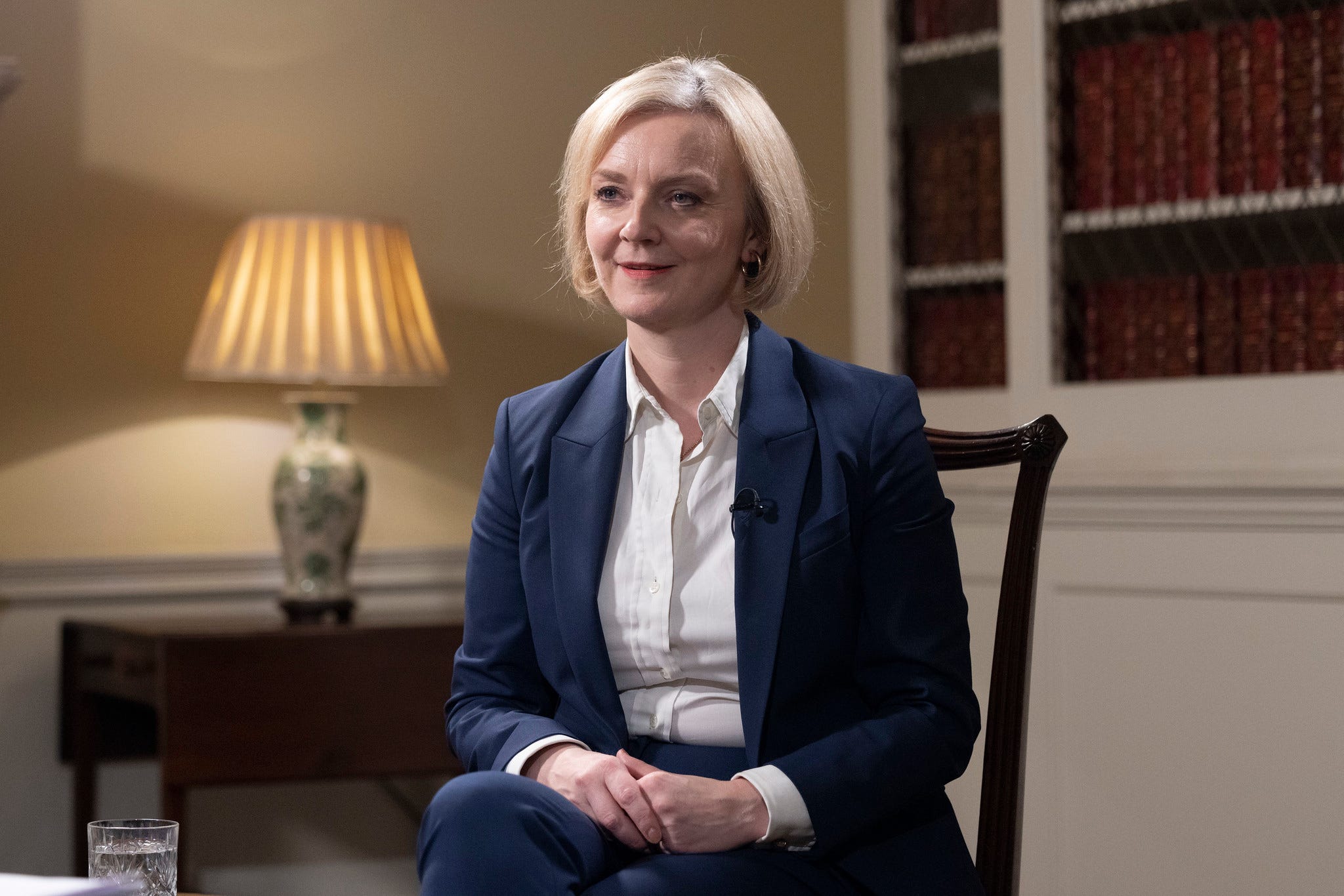
What then happened is seared into the memory of anyone with a fixed-term mortgage. Her mini-Budget sparked a gilts crisis and nearly collapsed Liability-Driven Investment strategies not because investors have an ideological aversion to tax cuts or supply-side reforms but because of its haste, sheer size and the absence of an independent adjudicator.
To extend a metaphor about which I’m having severe buyer’s remorse, Truss swung too hard and almost decapitated half the royal box.
Slow and steady
Had Kwasi Kwarteng stood up at the despatch box and, alongside an OBR forecast, announced a smaller initial package, demonstrated how tax cuts would be paid for, established credibility with the markets — in other words, gone slower, things might have been far different.
But for Truss, speed was a product not simply of impatience but of her own insecurity. She needed to create facts on the ground before her limited political authority (little support from MPs, even less in the country) evaporated. She was there for a good time, not a long time.