


Books
First Among Equals by Jeffrey Archer
I’d been saving this story for my mother’s eulogy, but seeing as it’s Friday and she has the constitution of an ox, here you go. Around a decade ago, we were chatting on the phone and my mom has adopted an uncharacteristically sheepish tone. It transpires that she had attended some charity dinner the evening before and was seated next to none other than Lord Archer.
“I’ve got to tell you,” she confided. “I found him extremely charming.” I’m not certain what reaction she expected, but I replied with mock indignation, “Of course you found him charming! He’s Jeffrey Archer! How do you think he talked his way through half the British establishment and managed, on the whole, to stay out of prison?!”
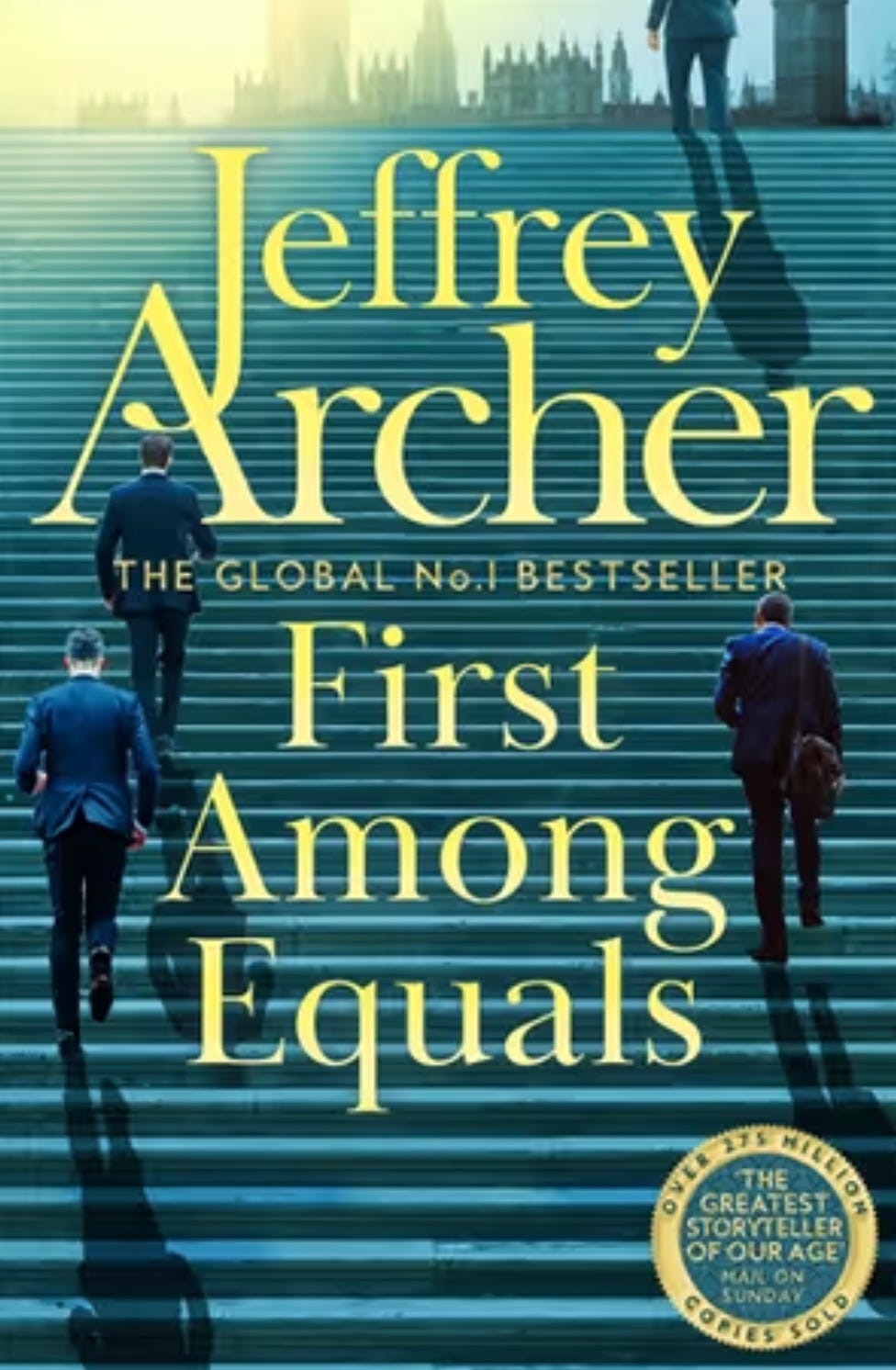
And now, 10 years later, here I am reading my first Archer novel, First Among Equals, which follows the careers and personal lives of four fictional British MPs from 1964 to 1991. And, like my mom, I’m a little embarrassed to admit that I was thoroughly charmed by it.
The book is fast-paced, at times unerringly convincing and at others, gloriously silly to the extent that I was a bit glum when it was all over. So to cheer myself, I returned to the greatest ever Newsnight clip. It is not possible to experience greater joy in 16 seconds.
On the Edge by Martin Keown
Oh, so, you’ve gone and read another 1990s era Arsenal autobiography. Groundbreaking. And while I went into it craving the usual injection of that Carling Premiership goodness, post-Cold War peace dividend nostalgia, what I came away with was an insight into a man who had spent a lot of time processing his decisions.
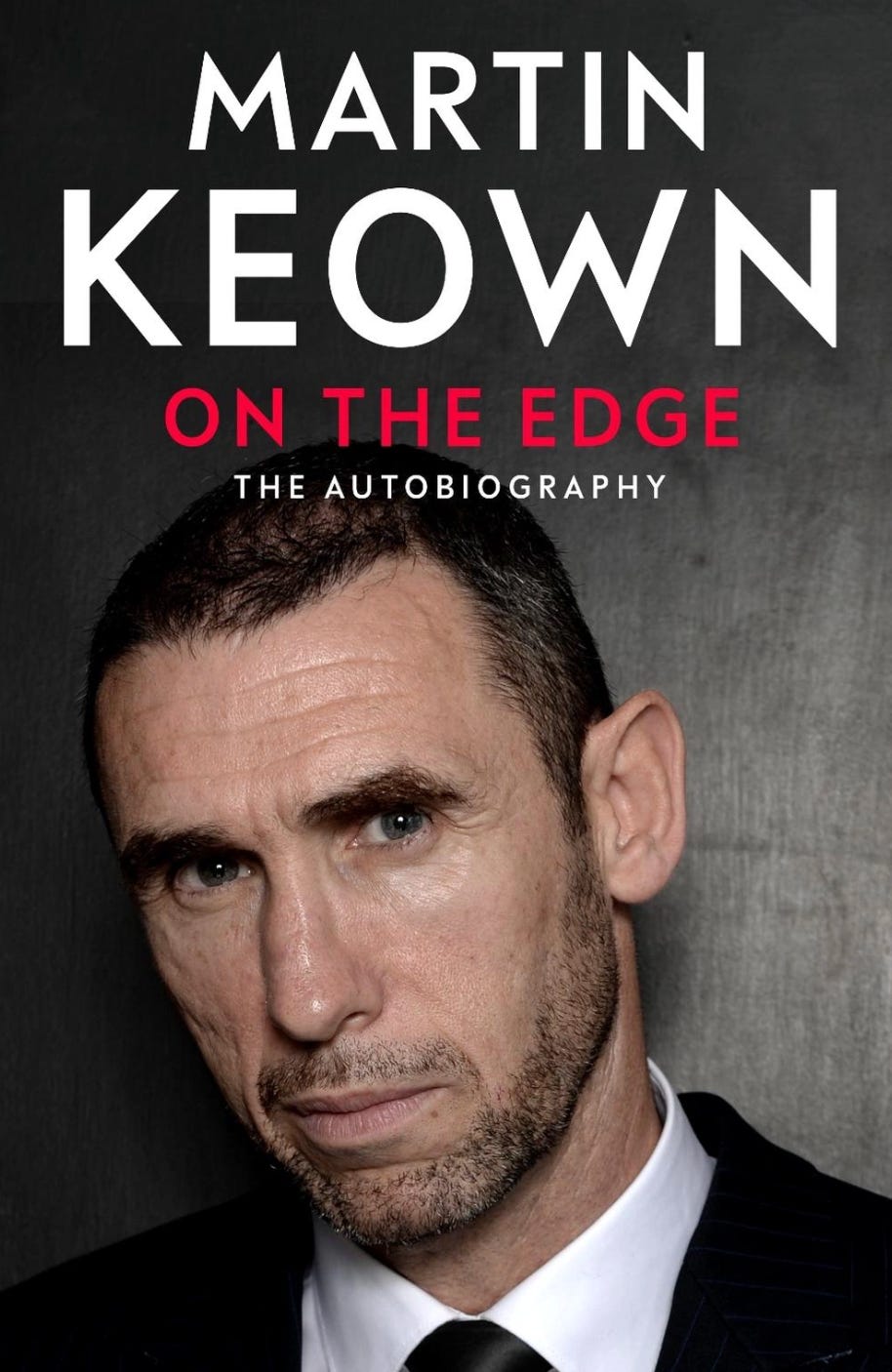
How did someone not motivated solely by money end up leaving his beloved Arsenal for the sake of £50 a week? What was it like to be compared, not always glowingly, to the great Tony Adams from the age of 13? How much does difference — whether background, religion, or appearance — impact a life?
Clearly, unless you are a Gooner of a certain vintage, this book is not for you. If you recognise Keown at all (originally pronounced ‘Kee-owen’ but apparently the BBC commentator John Motson convinced him to change it to ‘Kee-own’ as it was easier to say), it’s probably for his indiscretions at Old Trafford in 2003. And, for any younger readers, you hate to see it. But for everyone else, it was glorious.
Podcasts
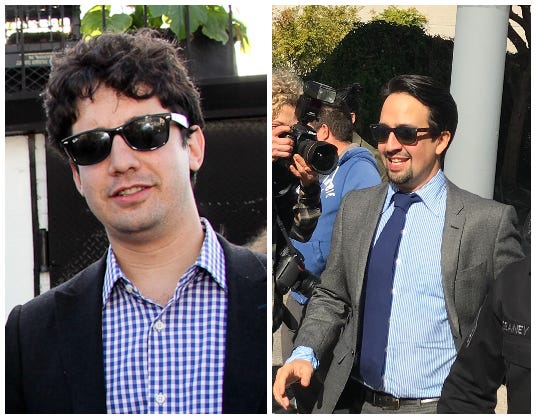
Journalists Joe Weisenthal (who I like to call the Jewish Lin-Manuel Miranda) and Tracy Alloway wanted to speak to an older British gentleman about the state of the global economy, and they don’t come must older better than Martin Wolf, chief economics commentator at the Financial Times.
Come for the history of Europe in ten minutes or less, stay for literally everything else. Wolf combines an astonishing grip on statistics (did you know the global economy has experienced only two recessions since the end of the Second World War?1) with a Rooseveltian fireside chat-like narrative quality.
He is also extremely concerned about the future. Not just of the economy and the return of ideology (which, for those of his generation, often meant killing neighbours who disagree with you), but of artificial intelligence, which he thinks may well be more consequential for humanity than the invention of writing.
And sure, we all get scared sometimes. But when it’s Wolf who is alarmed, it’s like that usually implacable grandfather type figure who survived the depression and the death camps, telling you he’s frankly alarmed. Am I selling it?