


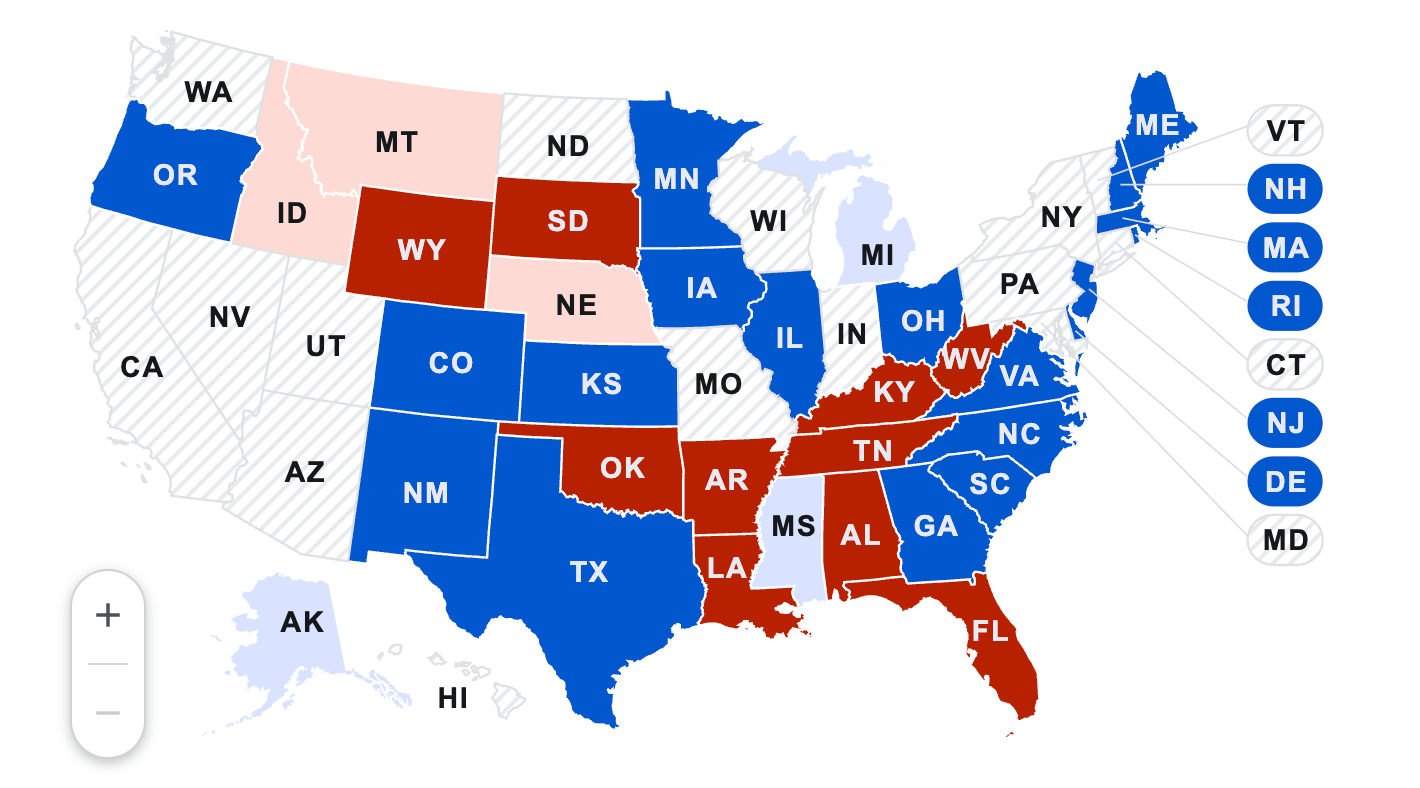
Sometimes, I wonder. Do thirty-something Americans sit around late at night, eating Cheetos while going, “Yeah, on the basis of this Lord Ashcroft MRP poll, there’s no chance Labour holds on to Chipping Barnet in 2029 but Finchley and Golders Green looks safe if Sackman gets reselected.” My hunch is… probably? It’s a big country filled with deeply unstable people.
Still, I remain sceptical that the average pub quiz, even in painfully hipster Williamsburg, Brooklyn or Silver Lake, Los Angeles, has a round on English county capitals1 or asks which UK prime minister was assassinated in 1812.2 That is the privilege of being the main character nation, I suppose. But it also reflects a genuine truth about the asymmetry of power.
It doesn’t really matter to Americans whether there is a Labour or Conservative majority in Westminster, or who will succeed Ursula von der Leyen as President of the European Commission. Whereas not only is it rather important to us who occupies the White House, but even a Wisconsin Supreme Court race can affect the direction of the US and therefore the world.
All this thoroughly enjoyable context / gratuitous throat-clearing is to say that Americans voted yesterday in the midterm elections and the Democrats are set to win big. This is important for lots of reasons, but the focus of today’s newsletter lies elsewhere.
“That’s not the same, that’s more of a change”
Briefly, here’s some of the obvious stuff:
Trump’s (meagre) legislative agenda is dead
Aggressive congressional oversight and investigations into the Trump administration, particularly Immigration and Customs Enforcement activities, are on
Investigations into the president’s personal business ‘interests’ begin
Judicial and cabinet confirmations slow or stop
Government funding confrontations erupt
Votes on tariffs are held
Democratic internal tensions grow, between moderates and the far-left, including over the acceptability of antisemitism in the party
Copious 2028 presidential nomination positioning begins
Some (but likely minimal) constraints on Trump’s foreign policy occur
The permission structure for Republicans to (gently) repudiate Trump widens
Trust, but certify
Prior to the 2000 presidential election, I would not be surprised if a plurality of Americans were unaware of the existence of an electoral college. In a similar vein, before 2020, the process of election certification was held in, if anything, even greater obscurity.
Voters voted, presidents got elected, and following that eerie transition period allowing the new guy enough time to travel to Washington by horse and cart, there was another president. January 6 changed all that.
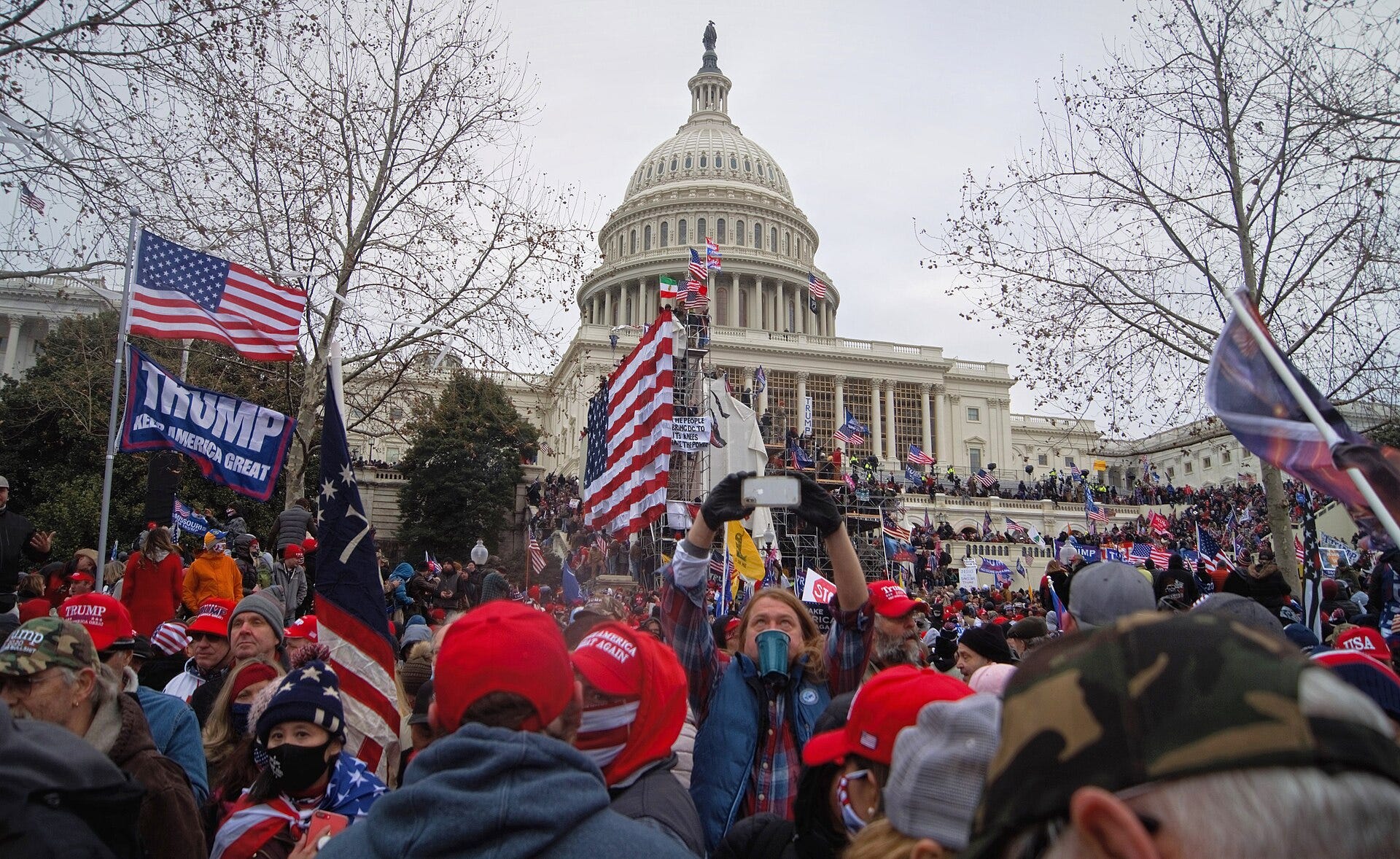
I want to be clear. Not because my view matters very much (if I went down that road, I wouldn’t post at all) but because facts matter: election certification is not optional. Indeed, the Electoral Count Reform Act of 2022,3 passed following the US Capitol attack, makes that even clearer.
That said, these midterms are big because they make the winner of the 2028 presidential election more likely to actually assume office. This is for a couple of reasons:
First, although it is the Congress seated in January 2029 that counts the electoral votes, a Democratic majority now can scrutinise how the administration treats the machinery of elections and make any attempts to interfere before 2028 costlier and more visible.
Second, thus far, it appears that a great many defeated Republican candidates have formally — and swiftly — conceded. That is, they have accepted the results without dabbling in baseless accusations of voter fraud, hacked voting machines or other garden-variety lies.
In the oft-cited words of academic Adam Przeworski, democracy is “a system in which parties lose elections”, one that requires an acceptance that political rivals are legitimate and enjoy an equal right to govern. This is known as mutual toleration and, like grilled cheese with tomato soup, it pairs extremely well with another key democratic ingredient, institutional forbearance.
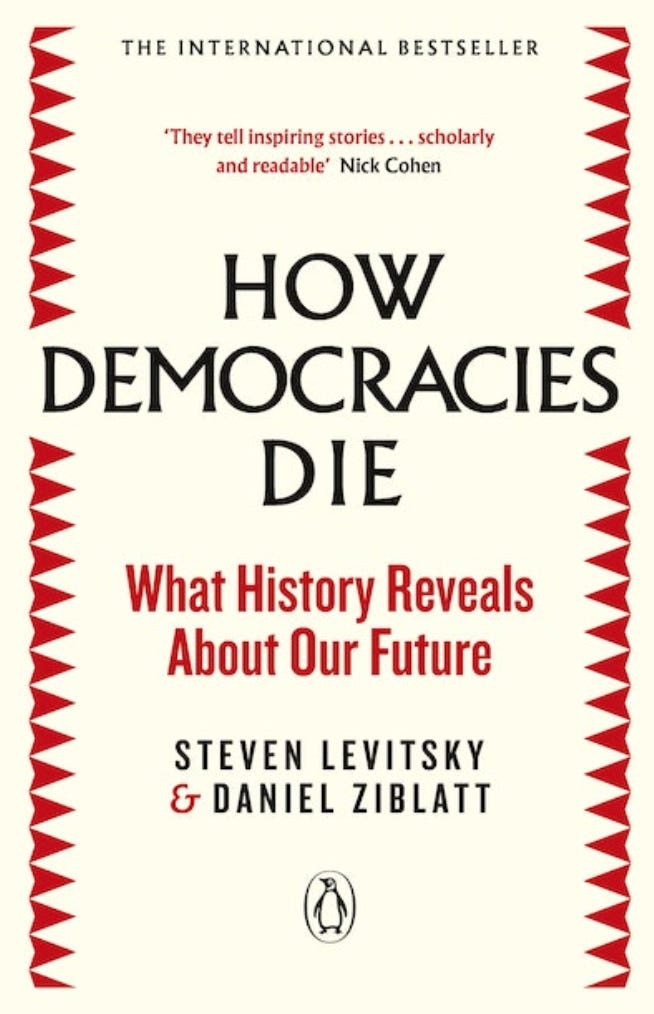
The concept, popularised by Steven Levitsky and Daniel Ziblatt in their book, How Democracies Die, requires elected officials to refrain from actions that, while technically compatible with democratic rules, in practice flout accepted norms.
The reality is that no law or constitution can be so expertly drafted as to prevent those intent on subverting democracy from getting their way. And democracy in America will not long survive if only one of the two main parties is signed up to this unwritten contract.
Of course, Republicans conceding their individual races ≠ Republican state and national organisations, Republican voters or Trump himself accepting the legitimacy of a Democratic presidential victory in 2028. Still, a Democratic midterm sweep, accompanied by Republican candidates’ acceptance of defeat, is an encouraging start.
To be fair, these don’t exist.
Spencer Perceval, but you knew that.
The Act addressed ambiguities in the original Electoral Count Act of 1887 that Trump and his allies used in an attempt to overturn the results of the 2020 election. It also clarified the role of the vice-president — who serves as president of the Senate — in overseeing the counting of electoral votes.