



The older we get, the harder it becomes to make friends. In kindergarten, all you really need to make a meaningful connection is to discover the other person at the crayon station is also called Jack or, no way, you like football and lunchables too? This is uncanny!
But as the years go by, schedules tighten, interests diverge and standards rise. That acquaintance you were thinking about upgrading to friend status was rude to the wait staff (or, even worse, cloyingly polite as a flex?) Thank you, next.
This is also a problem that nationalist movements face.
Milei-feuille
In recent years, figures on the right of British politics have sought to play in the ideological sandbox with Javier Milei. The Argentinian president isn’t a nationalist in the traditional sense — he’s a self-identified libertarian and ‘anarcho-capitalist’1. However, his governing principles: disdain for multilateralism, heavy anti-elite rhetoric and personalistic leadership style are close enough for the purposes of today’s newsletter.
Last year, Reform UK leader Nigel Farage praised Milei for his spending cuts, describing them as “the beginnings of an economic miracle which is happening in Argentina.” Not to be outdone, prime minister of the month for September and October 2022, Liz Truss, named Milei as her favourite conservative leader after Churchill and Thatcher. (When later informed of Truss’ admiration, Milei replied, “Who?”)
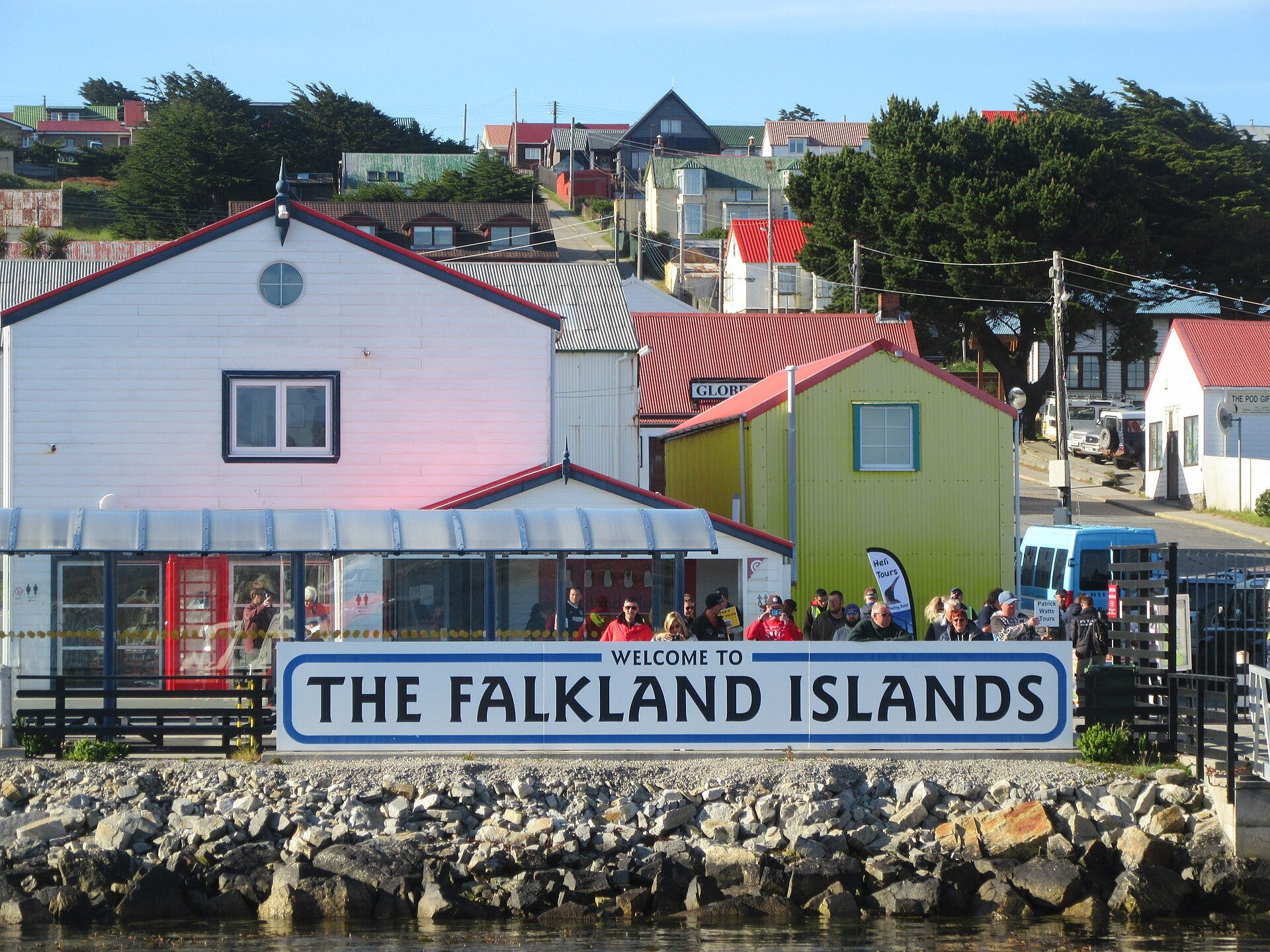
Having declined the much-sought after Truss endorsement, Milei has seemingly spurned Farage too. In a speech last week, amid the usual faltering economy and falling polling numbers, Milei reasserted Argentina’s claim to the Falkland Islands, pledging to accelerate construction of a naval base near the archipelago and toughen sanctions against oil companies drilling in the area.
This followed a suggestion from US president Donald Trump that he was reconsidering America’s support for British sovereignty over the territory. And so, like a jilted bestie who has just learnt they are to be a bridesmaid but not maid of honour, Farage hit back (via Robert Jenrick), warning he would use British armed forces to “crush” Argentina.
We are, as ever, one chilled bottle of rosé away from someone leaving the WhatsApp group.
[Insert country] First
There is a tension at the heart of any two nationalist allies and the clue is rather in the name. Nationalism prioritises the interests (or perceived interests) of one’s own nation (or favoured groups within said nation) above all others. And while governments of all ideological bents do this to a greater extent (in democracies, locals vote), and even when they don’t (see: Sino-Soviet split), the issue tends to be more pronounced for a few reasons.
Two nationalist leaders may admire each other’s domestic playbook, rhetoric or repressive apparatus while at the same time still viewing international relations through a zero-sum prism. Think: trade wars, resource competition and, in this instance, territorial disputes.
Nationalism’s core tenets — chief among them the paramount position of national sovereignty — are also inherently more resistant to multilateralism and supranational bodies. Meanwhile, personalist politics, built around a single, allegedly irreplaceable leader, tends to make relationships more volatile, since there is less institutional glue binding the two together if and when the personal rapports begin to fray.