


Espresso martinis, skinny jeans and thick-rimmed glasses — the early 2010s were a break-out era for some of Hackney Wick’s most tedious hipsters. But ask me for the most pre-Brexit, post-financial crisis cultural coda and I tell you: Uber surge pricing discourse.
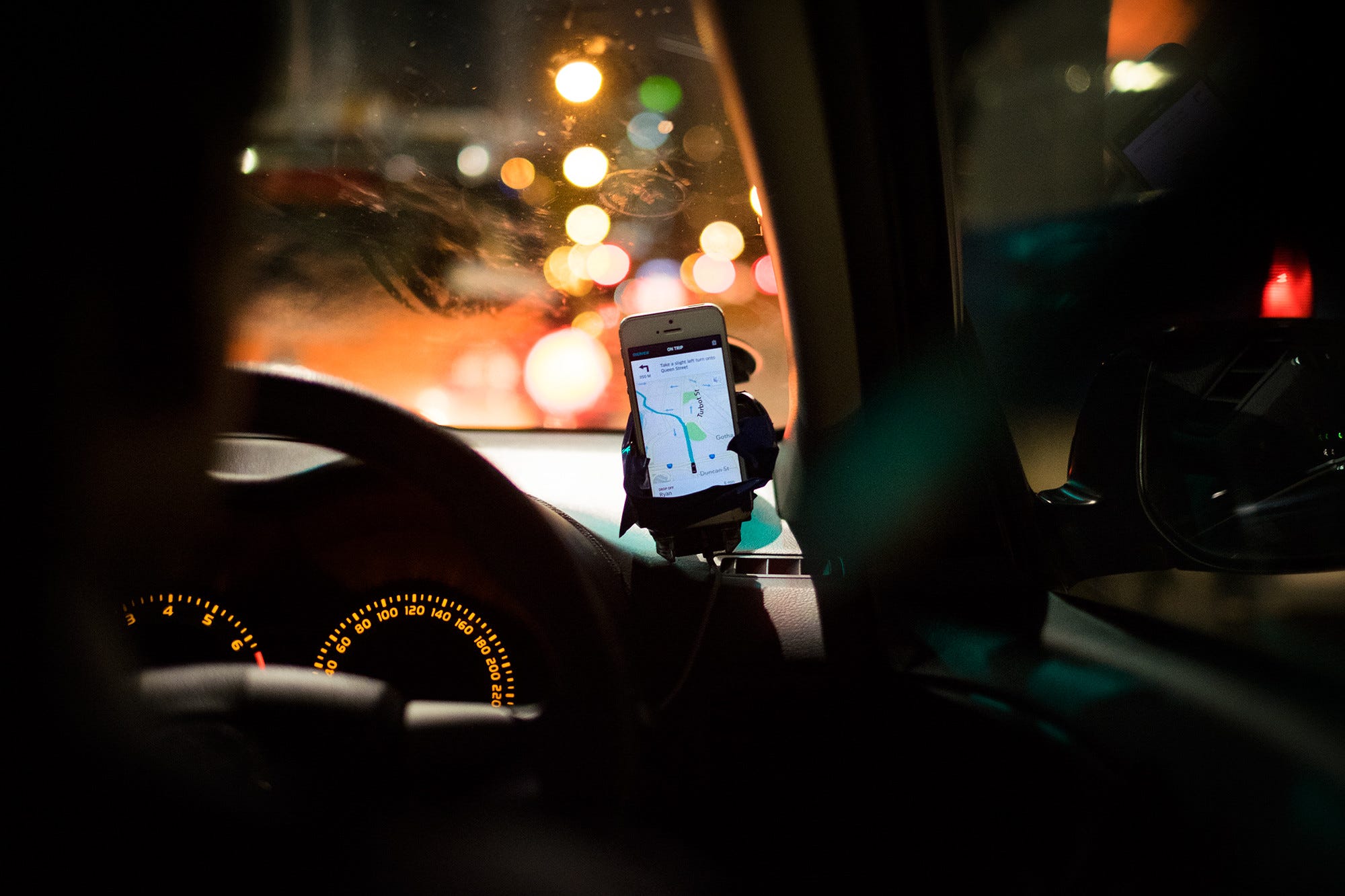
Perhaps it was the novelty of visible dynamic pricing, but come extreme weather events like Hurricane Sandy or security incidents such as the Sydney Lindt Cafe siege, the outcry from politicians and riders would be one and the same: how could a company justify price gouging during emergencies?
And each time, Uber would offer an apology, process a few hundred refunds before returning to its zero-interest-rate-enabled, shareholder-subsidised, aggressive expansion mode. What a time for luxury beliefs.
The value of everything and the price of nothing
To be clear, there is no moment in recorded history when consumers would have displayed a positive sentiment towards a brand demanding they pay five or six times the price to get home during a tropical storm. But nor is it coincidental that the global financial crisis, and the deep recession it wrought, fuelled a general mistrust in markets and prices. I mean, they had just proven to be pretty darn fallible, if not overseen by the criminally negligent.
And after 2008, the tempo of exogenous shocks seemed only to quicken: Brexit1, the Trump I, Russia’s full-scale invasion of Ukraine, the Covid-19 pandemic and now the Strait of Hormuz. Each time, governments in the rich world sought to protect their economies and most vulnerable citizens, with furlough schemes, direct cash transfers to households, energy price guarantees and the like.
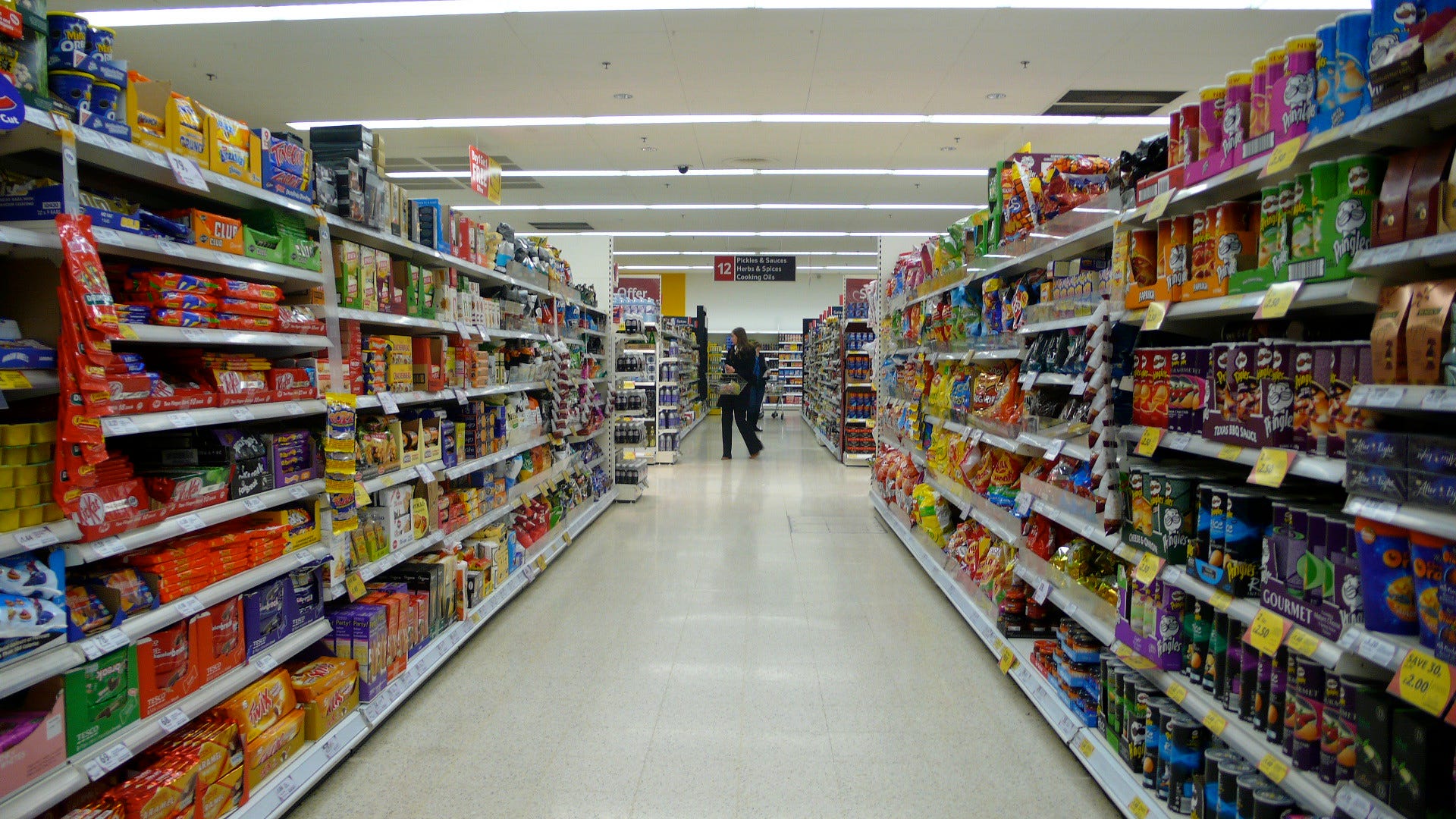
The instinct to shield people from price shocks or prevent unnecessary bankruptcies can be morally correct and economically coherent. But what is lost each time is the power of price signals. And I think this hit home most forcefully, at least to me, amid the UK government’s response to rising costs associated with the Iran War, which appears to be pressuring supermarkets to freeze prices on certain goods2.
To be fair, Keir Starmer did previously name Harold Wilson as his favourite party leader of the last 50 years.
Strait-acting
This morning, a barrel of Brent crude is trading at around $933. This is significantly higher than before the war, when oil was going for closer to $70. Yet it remains far below some of the frothier predictions of $150 or even $200 a barrel, predicated on the fact that, until recently, approximately one-sixth of the world’s natural gas and one-fifth of petroleum transited the Strait of Hormuz.
And $93 is not even historically high.