


It was the last book I ever read1 — a combination of words most people don’t get to write, either because it’s embarrassing or, more likely, because they’re dead.
The book was 747: Creating the World’s First Jumbo Jet and Other Adventures from a Life in Aviation by Joe Sutter, the celebrated engineer who led the design and construction of arguably the most important (and undoubtedly the best looking) aircraft in aviation history: Boeing’s Queen of the Skies.
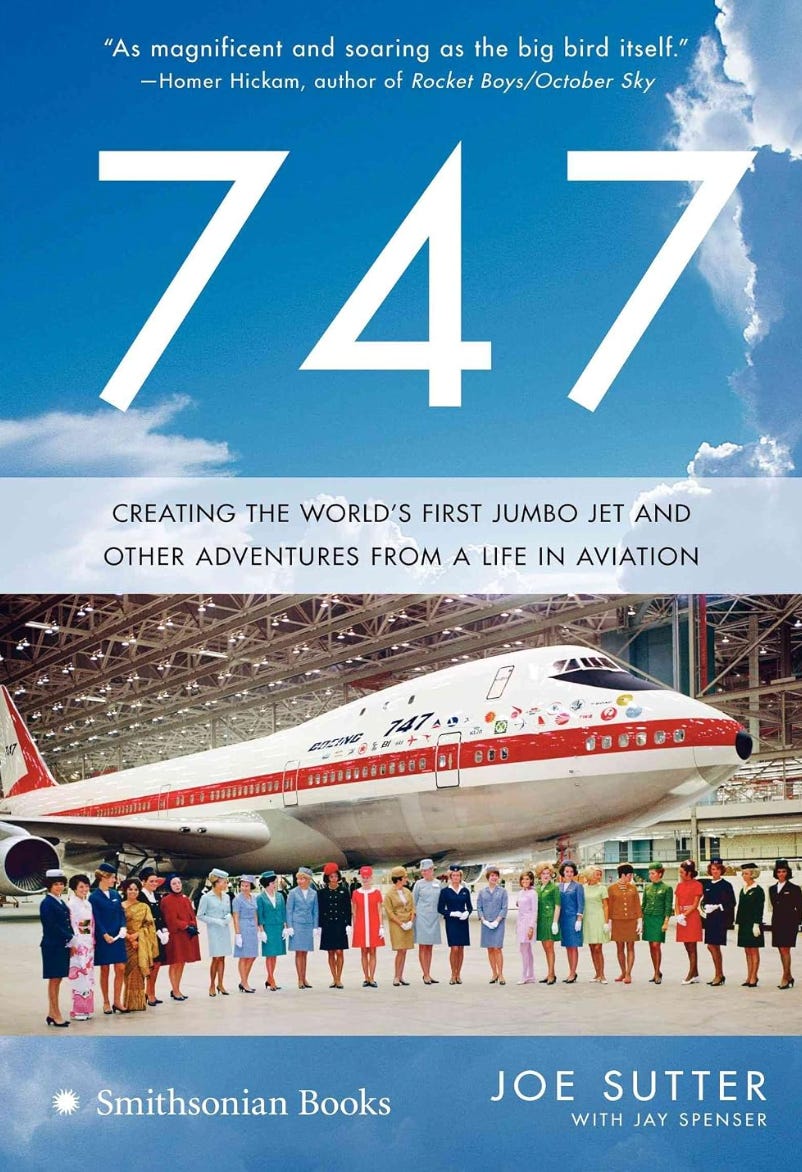
What makes 747 such a compelling story is the often unsteady relationship between ambition and discipline. Boeing in the 1960s was a company bursting with engineering genius, led by people with a profound sense of personal responsibility, where a culture of attention to detail and challenging false assumptions radiated outward. These were planes made with love.
In other words, the book represented everything the company was not by the late 2010s when its newest aircraft, the 737 MAX 8, started falling out of the skies.
Maxed Out
On Tuesday, the US Federal Aviation Administration (FAA) granted Boeing final approval for its long-delayed 737 MAX 10, paving the way for the company to deliver the largest version of its best-selling airplane.
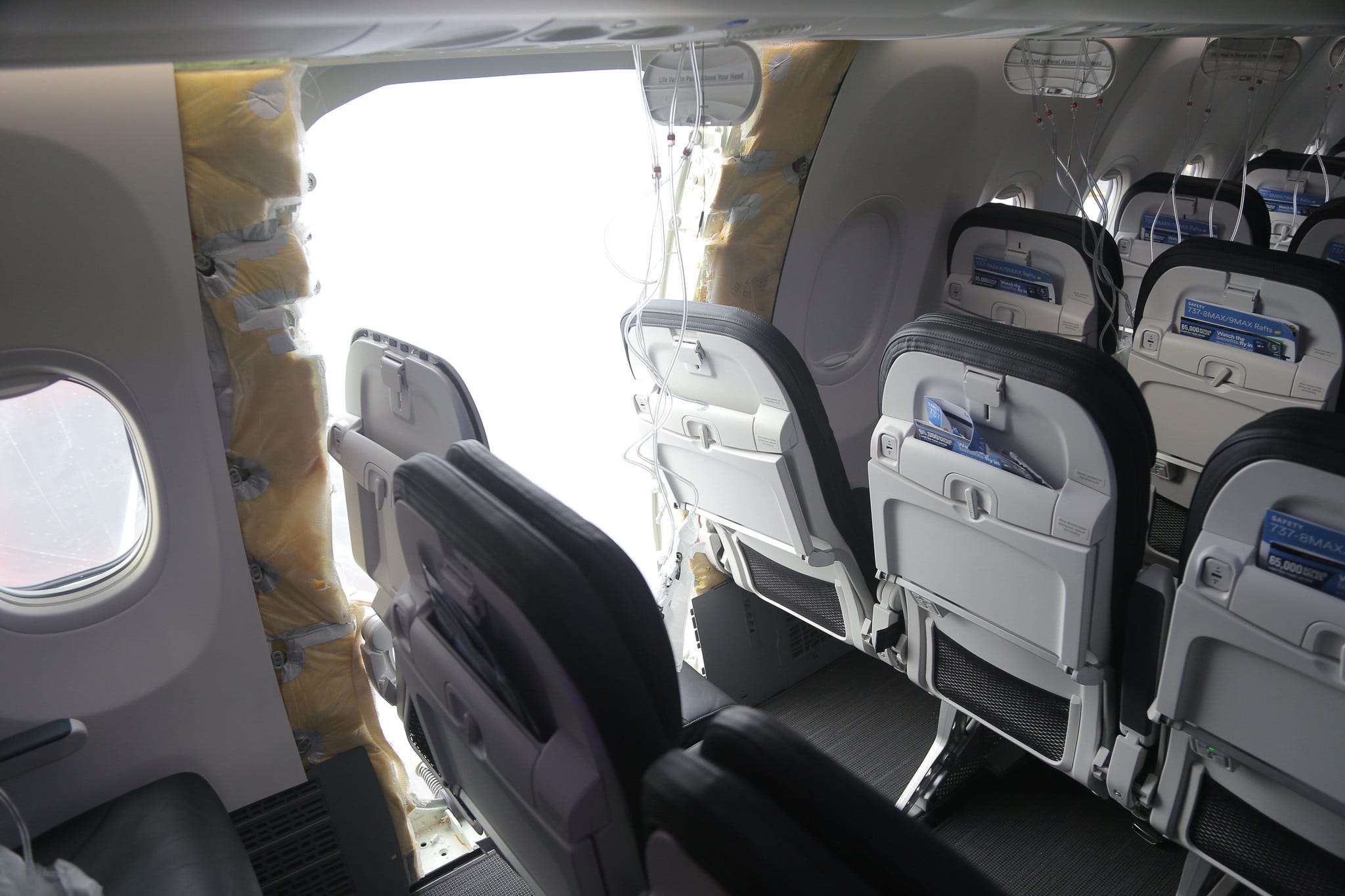
Boeing has endured years of near-permanent crisis, sparked by a series of engineering failings that culminated in — but did not stop with — two crashes and the deaths of 346 people in 2018 and 2019. Indeed, scrutiny of the company’s production and quality control only intensified following a 2024 mid-air cabin panel blowout on a nearly new2 Alaska Airlines 737 MAX 9.
Since then, following major shareholder, regulatory and congressional pressure, Boeing has been focused on a major turnaround program. FAA certification (approval from the European Union Aviation Safety Agency is expected in the coming months) therefore represents a vital step in that journey. Now, the company needs the MAX 10 to be a commercial success.