


If Mitt Romney had binders full of women, my bookshelves were stuffed full of bills, and not the good kind: gas and electric, water, broadband, council tax, contents insurance, licence fee. You name it, I kept it on file.
Now, like any Englishman, I am entitled to my little foibles. But this hoarder lifestyle wasn’t out of choice. I had the misfortune — and on reflection, it really was a rookie mistake — of falling for someone without indefinite leave to remain (ILR).
Happily, the moment of maximum peril is past. My now husband got his British passport, the main day-to-day consequence being that, as a dual UK-Australian citizen, he is no longer eligible to serve as an MP in the land of his birth.
[Side note: as a tri-citizen myself (UK, US and, for reasons largely of spite, Austria) I am non-ironically, deeply offended by laws such as these. Am I less able to serve my country because I get to skip the queues at JFK and Gare du Nord? Was Winston Churchill?]
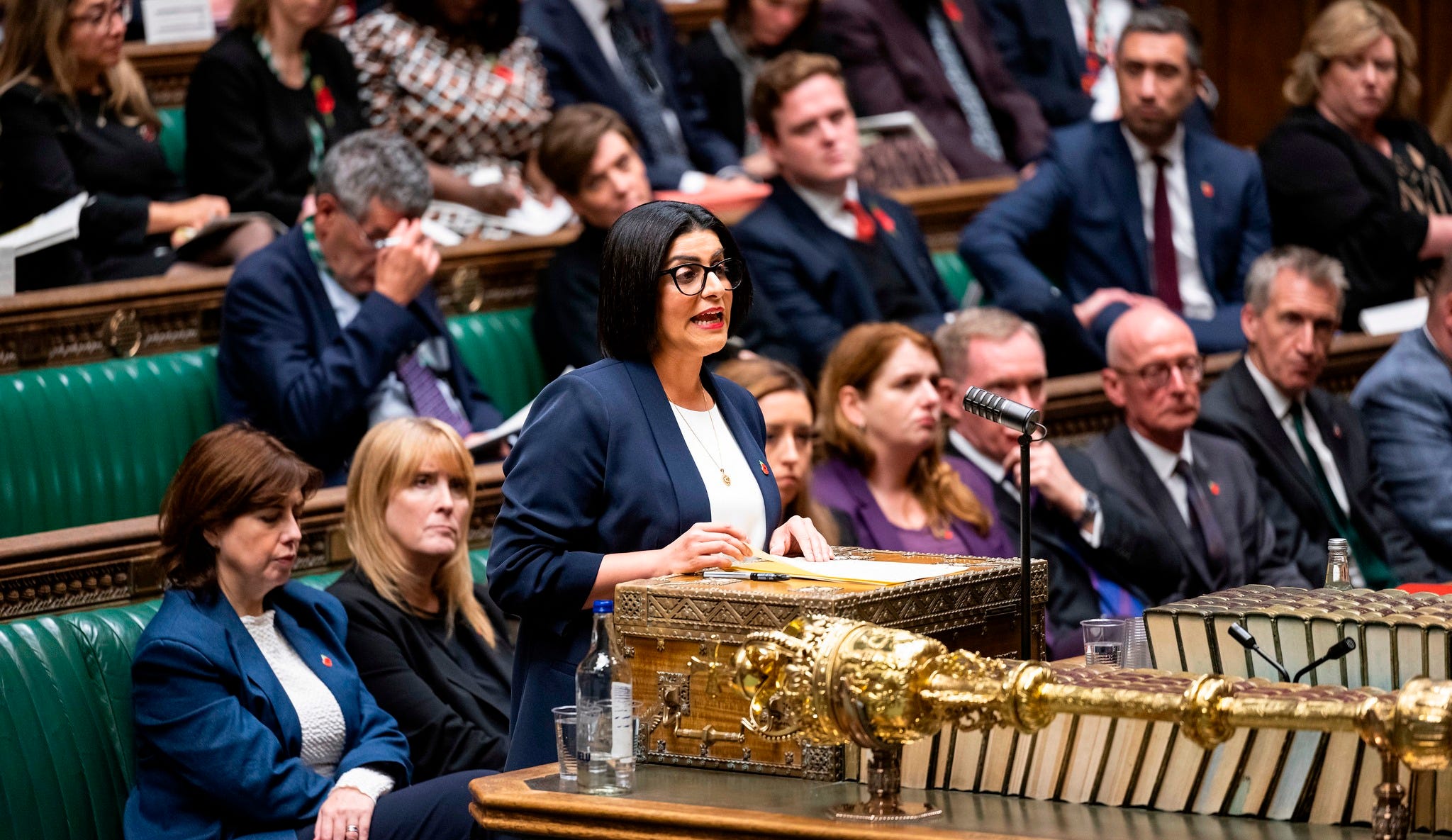
Still, as Home Secretary Shabana Mahmood sets out the government’s revised reforms to the UK’s immigration rules, some thoughts on the realities of a deliberately adversarial system.
Catch a wave
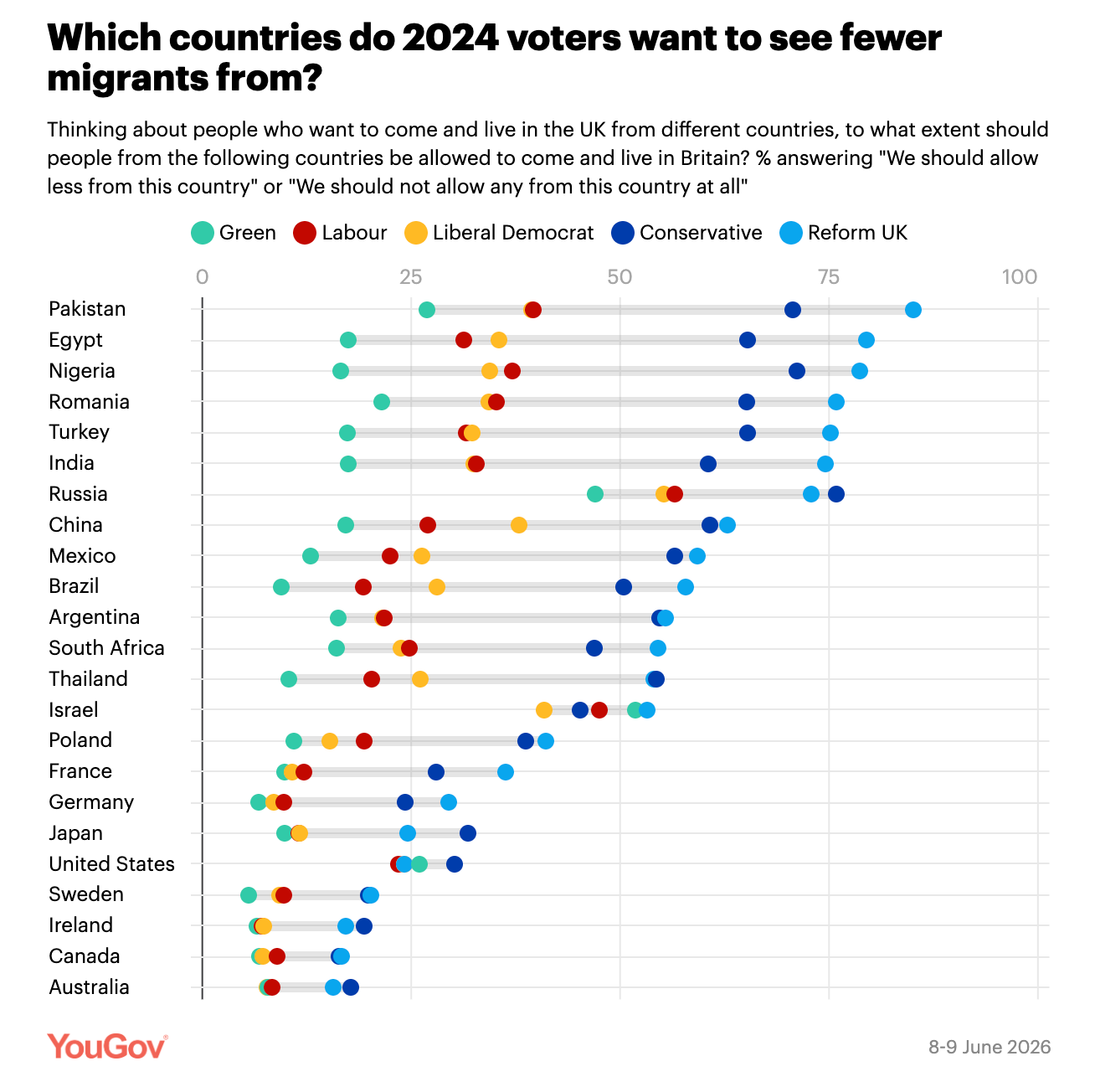
Every nation state has a right to control its borders and determine who can and can’t enter. Options range from the Green Party’s quasi open borders (except, it seems, for Israelis) to Reform UK’s abolition of the asylum system, with plenty of points-based options in between.
Britain is no different. The nation swings wildly between the net emigration of the 1970s to the wave of immigration under Boris Johnson. At present, thanks to changes by the current Labour and previous Conservative governments, net migration was to 171,000 in 2025, lower than in the 2010s and down nearly half from the previous year.
Where the UK excels is in the way it treats migrants, having already decided to let them in.
It costs a lot to treat people that cheap
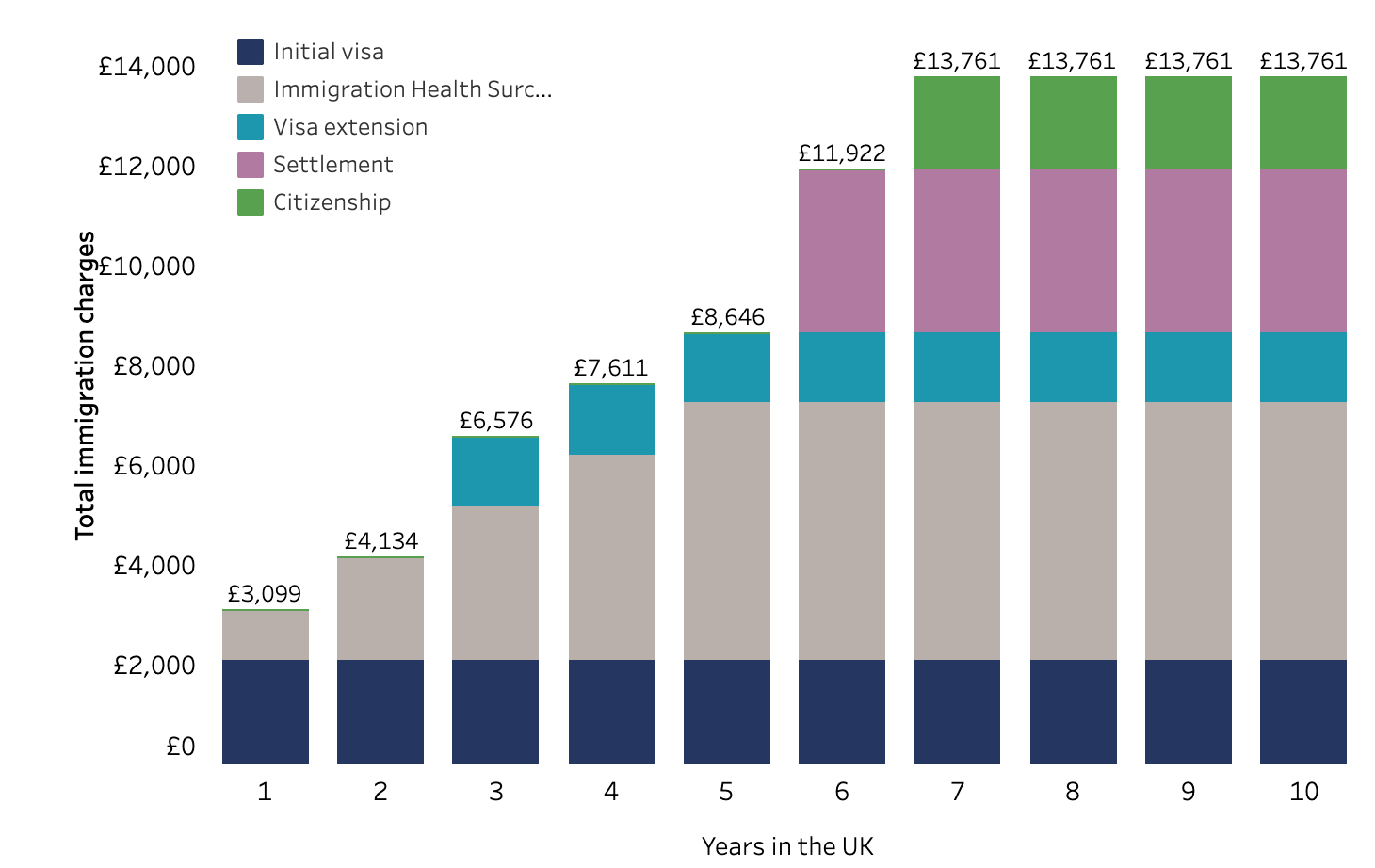
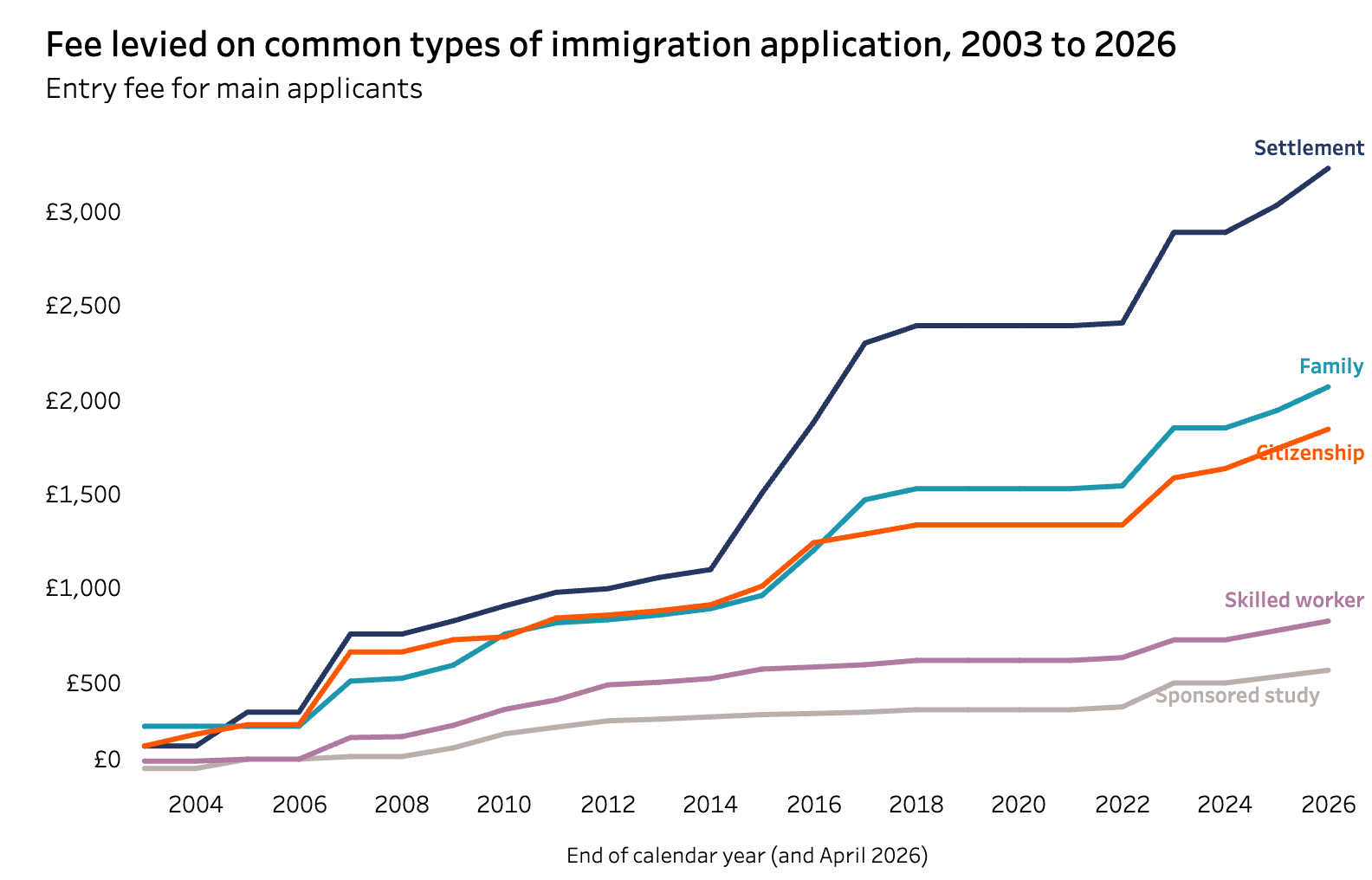
The economic contribution — and also the costs — of immigration dwarfs any visa fee. Nevertheless, for individuals, the numbers are staggering:
£2,000 for the initial application, £2,500 for the very much not hypothecated NHS surcharge. And that’s only for the first 2.5 years. Double it to reach the five years (currently) required for ILR, add £3,226 for settlement itself, throw in another £1,000 if you need a decision within weeks not months, plus a few grand on solicitors which isn’t obligatory but kind of is.
It makes for quite the revenue stream. As of April 2026, the fee for a study visa application was £292 higher than the cost to process, while settlement is marked up by £2,703, according to the Home Office’s own estimates, as reported by The Migration Observatory.
By the way, this is all on top of the minimum salary thresholds you must meet — even though the applicant has no recourse to public funds at this stage! But even more than the money, it is the sheer tedium punctured by moments of severe anxiety that characterise the system.
Britain could just make immigration even more expensive, but what would be the lesson in that? Instead, it must make migrants’ lives administratively precarious, long after they’ve been legally admitted and made lives.
A “papers, please” society
Remember those bills I was on about? It gets weirder. For instance, back in 2021, when energy provider Bulb went into administration, my first thought wasn’t concern about my ability to keep the lights on. Clearly, we’d just be absorbed by one of other providers. Rather, it was about proof of address.
The energy bill was an especially value document because it contained both of our names. Administration meant we might not receive another one for months. So I immediately switched providers — even though this cost me money — in order to keep the bills coming in.