


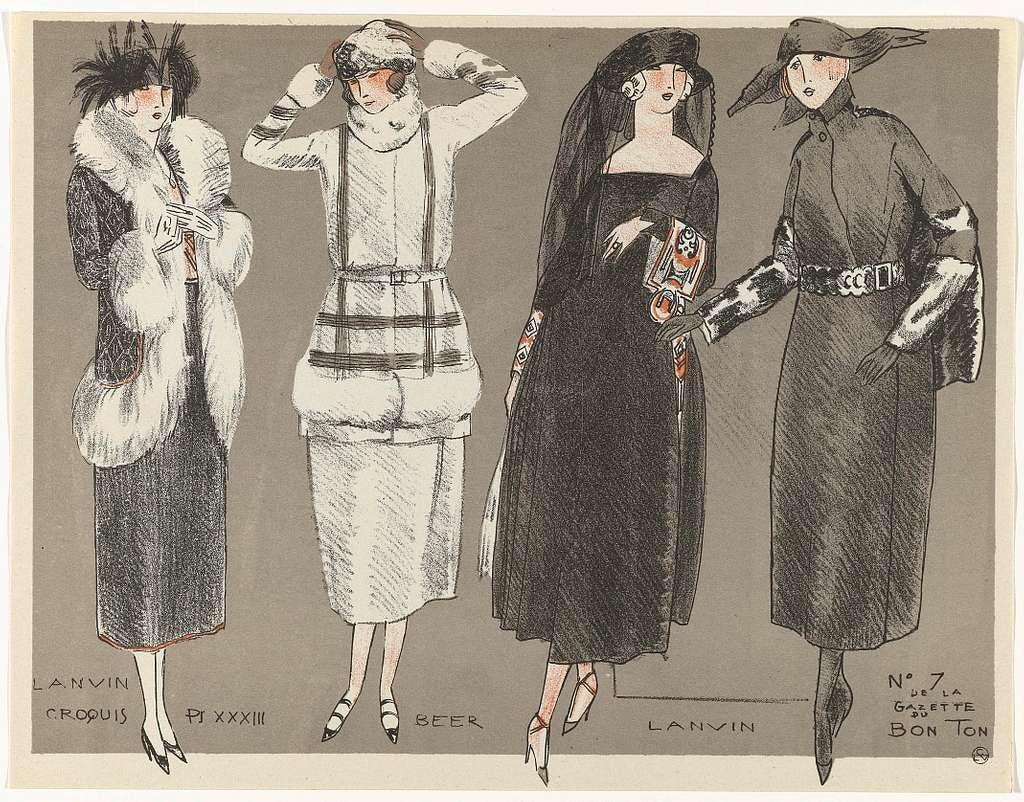
If you want to annoy a British economist (though why limit yourself to a single nationality?), mention the Roaring Twenties. Not the jazz, cloche hats or Gatsbyesque champagne fountains — economists are rarely invited to parties. But the frothy GDP growth, conspicuous consumption and wild speculation that came to an abrupt end with the stock market crash of 1929. Because it didn’t really happen here.
Following a brief post-World War I recession of 1920-21, the US economy entered a period of expansion, characterised by a new kind of mass consumption, powered by technological advances from electrification to the automobile. The numbers are absolutely staggering and I make no apology for ambushing you with stats:
Real GDP grew by 42% in the eight years after 1921
The number of cars on the road more than tripled, from 6.7 million in 1919 to 23 million in 1929
The percentage of households with radios rose from 19% in 1925 to around 40% in 1929
Unemployment hovered at around 5%
And the big one: the Dow Jones Industrial Average rose sixfold from 63 in August 1921 to 381 in September 1929
Back in Blighty, things were a little more… sedate. The economy exhibited substantially higher unemployment, lower growth, a decline of traditional industries such as steel and shipbuilding, falling wages (which, in the coal industry, triggered the 1926 General Strike), even a severe bout of deflation in the early part of the decade.
Things weren’t all bad, of course. And Britain did recover faster from the Great Depression. But this was in large part because there was less of an asset price boom from which to unwind and as a result of abandoning the gold standard in 1931, which allowed monetary conditions to loosen and sterling to depreciate.
In sum, as far as Britain was concerned, the decade was less Roaring and more Spluttering Twenties. I mention this first because, I’m sorry, I thought it was interesting. And two, it’s low-key happening again.
Bringing the English weather
Yesterday, the Governor of the Bank of England1 sat down with the Commons Treasury and sprayed remnants of cold sick in various directions. Citing energy pressures as a result of the Iran War and food price rises driven by drought and additional El Niño-related effects, Andrew Bailey warned that another round of inflation was on the way.
And while Bailey didn’t say anything concrete on interest rates (perish the thought), and analysts expect the Bank will leave rates unchanged this month at 3.75%, his comments have only fuelled predictions of a quarter-point rise by the year’s end. So far, so normal, save for the West Wing adjacent quip that there was no “secret plan”.
Meanwhile, Bailey’s US equivalent, Kevin Warsh, has been making similarly hawkish sounds. Speaking last month at the big central bank/economist get-together at Jackson Hole, the Fed chair made clear that he would be prepared to upset Donald Trump and hike interest rates in order to maintain price stability.
See, the US is dealing with inflation too, for some of the same reasons (Hormuz, Strait of) but also some others, of which Britons can only dream.