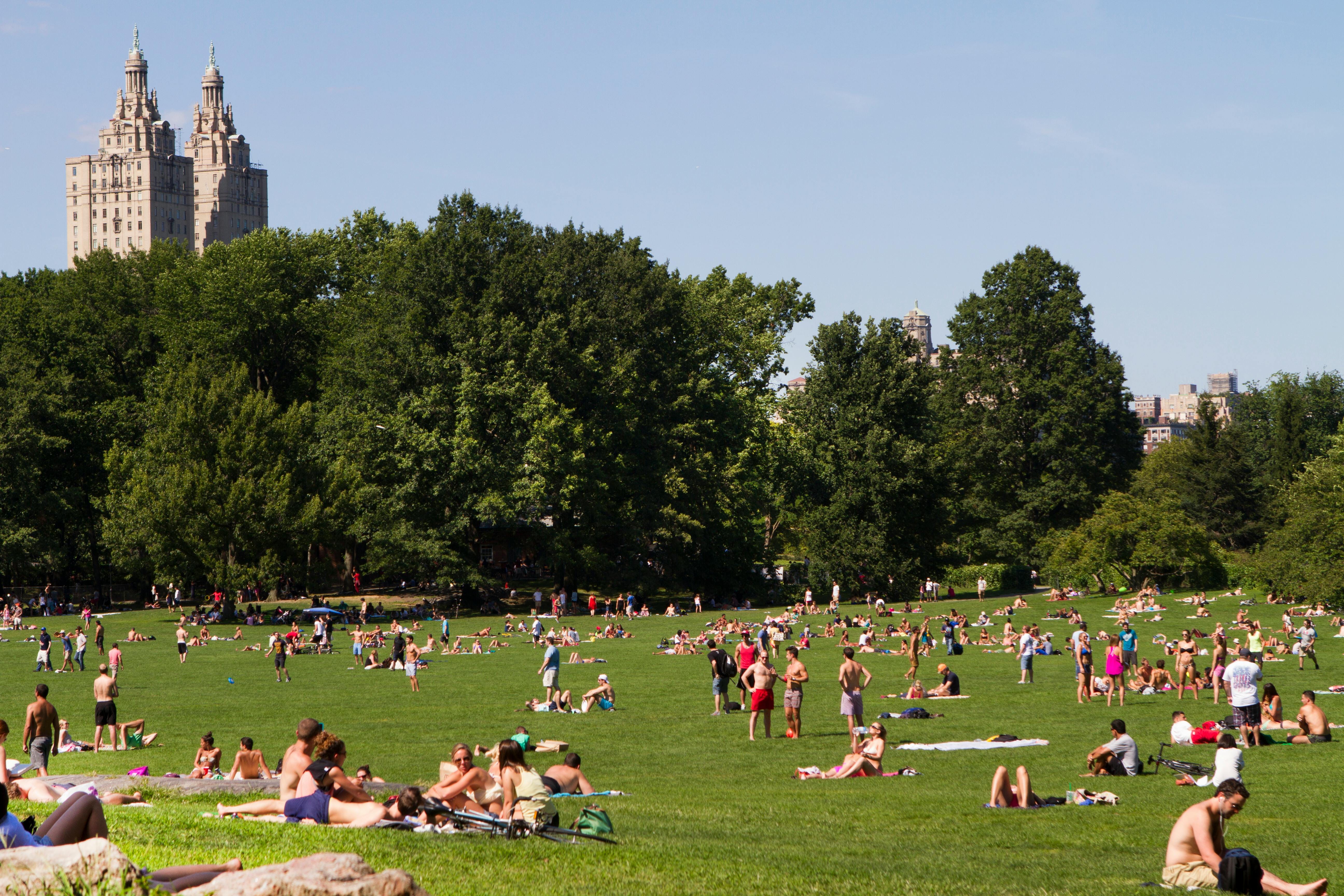
It is one of those rare spring London days. The sun is up, the sky is blue and the contents of an entire postcode have been dumped onto the local park:
The £100,000 tax trap couple, sat atop a sensible blanket, playing host to an E5 Bakehouse sourdough, M&S picky bits and Tesco Finest prosecco. The group of eight twenty-somethings, somehow with nine bikes, drinking pre-mixed G&Ts and playing music not quite loud enough to justify complaint. And the young parents attending an emotionally volatile third birthday party, doing their best to exude calm.
Still, the expanse is wide and there is enough space for all — so long as everyone follows the rules. And, albeit unconsciously, they generally do.
(Don’t) sit down next to me
Imagine you’re walking into this park. Where would you sit? The universal answer is “as far from everyone else as possible in order to secure the largest patch of grass possible”. But how do you know where that is? You don’t know, you just do. It turns out, you’ve been engaging in a bit of complicated mathematics this whole time.
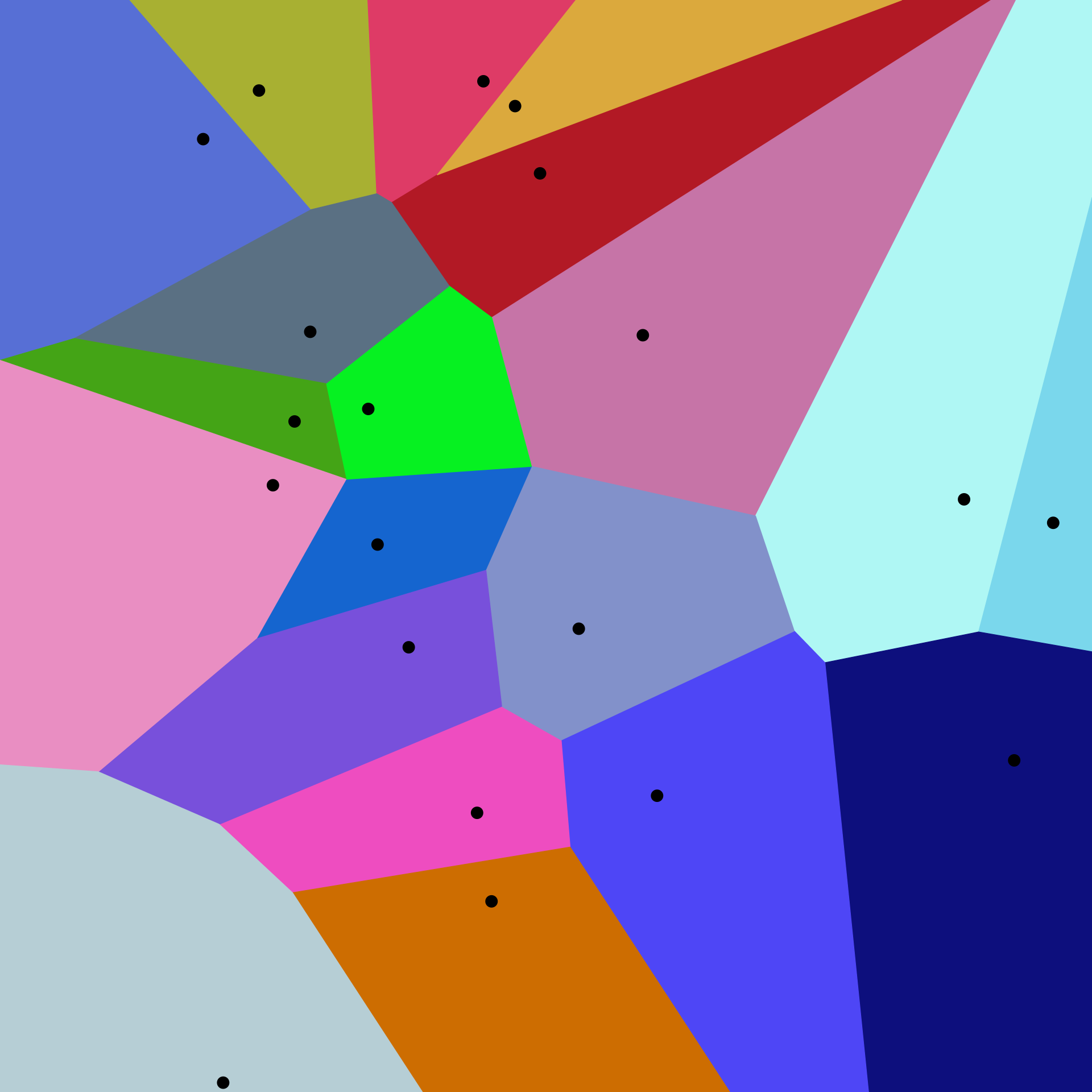
Voronoi diagrams divide a space into regions, called Voronoi cells, based on their proximity to a set of points — each region belonging to whichever point is nearest. It works a bit like gravitational pull, except without the gravity.
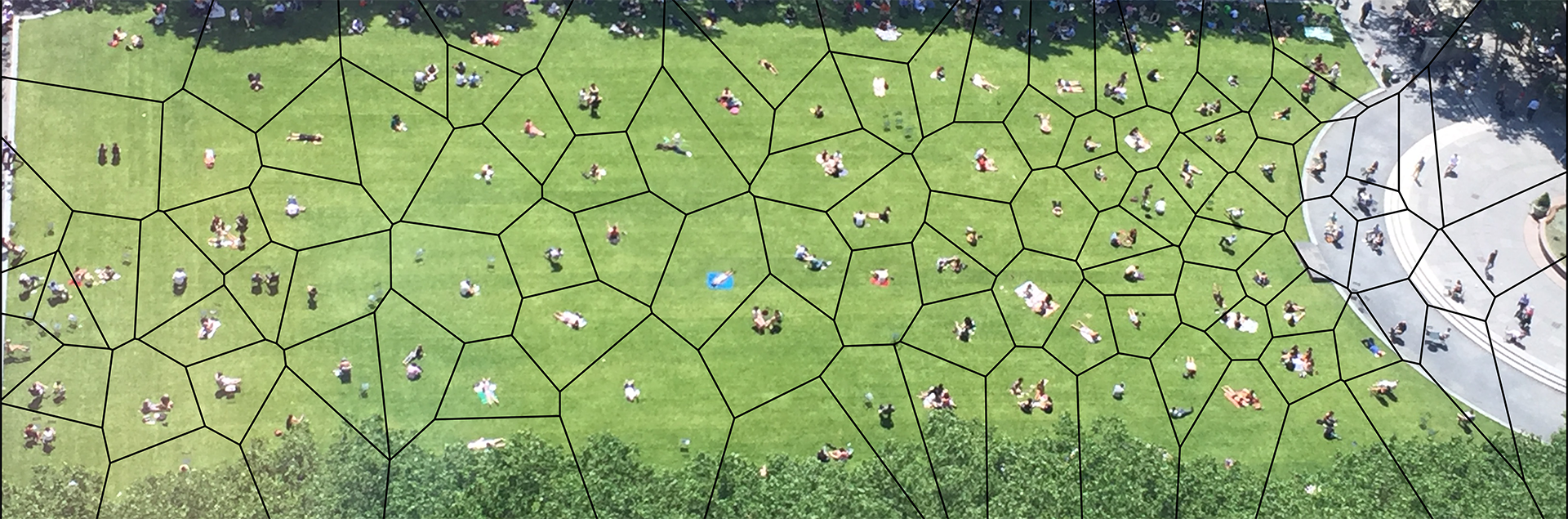
The really cool thing is that park-goers tend to do this organically. Rod Bogart, a computer graphics software developer, has overlaid a Voronoi diagram on top of an aerial image of people sitting in New York City’s Bryant Park. Just drool over the shapes: