


When the Football Association decided to knock down the old Wembley and build a new one, it needed to secure a temporary venue for its showpiece event: the FA Cup final. It plumped for Cardiff, on the not unreasonable basis that the Millennium Stadium was brand new, purpose-built and, with a capacity of 74,000, big enough.
It proved to be an inspired choice. With its steep stands and retractable roof, the atmosphere inside the stadium could be intense, certainly compared with Wembley, perennially disadvantaged by the vast distance between fans and players, a relic of the stadium’s old running track.
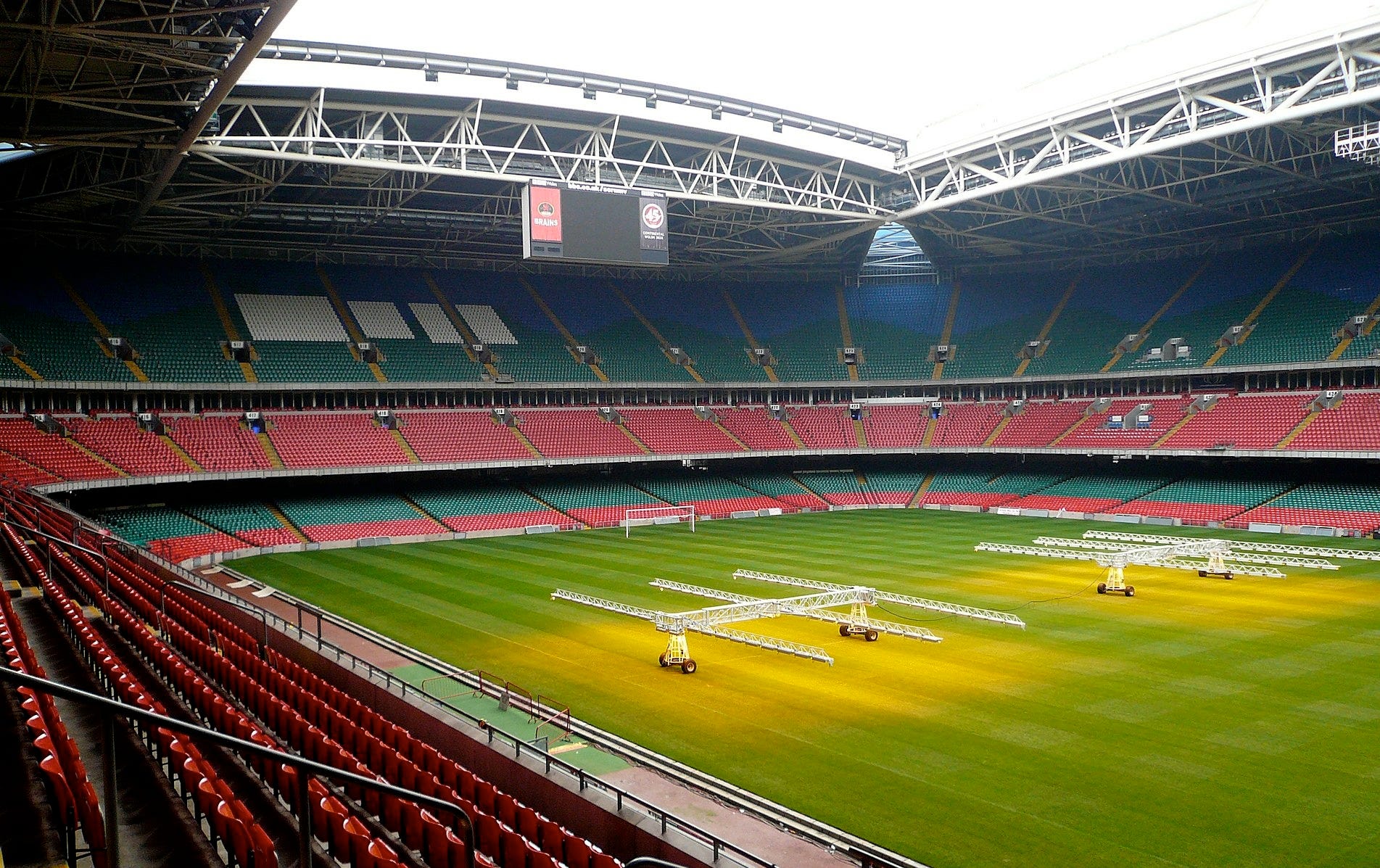
Then there was the location. Unlike Wembley, situated in the not especially central or picturesque borough of Brent, the Millennium Stadium was slap bang in the city centre, with the usual shops, bars and restaurants that confers, all in proximity to the banks of the River Taff.
Welsh-tinted glasses
Cardiff still has a distorting effect on my perception of the FA Cup final. You see, the move to the Welsh capital coincided with Arsenal’s golden era. The club reached the final in four of the first five contests held at the Millennium Stadium — and I was fortunate to attend all of them.
I’m no cartographer, but Cardiff is further from north London than Wembley, and so it was fertile ground for ritual. Shlepping 150 miles by car with my Dad and a friend or two, listening to the build-up on BBC Radio 5 Live with Mark Pougatch, Jonathan Pearce and Alan Green was quite different to nipping on the Tube at Finchley Road, bound for Wembley Park.1
Frankly, the latter is just not far away enough. It’s rather like booking a business class seat from JFK to Heathrow, hoping to get some sleep, only to find that the jet stream has shrunk the flight to under six hours — barely enough time to wolf down a re-heated omelette2.
Lift the cup in Cardiff and you get to revel in the long car ride home, triumph sealed in as the doors shut and the engine roars. Win at Wembley and you can be home for supper. Where’s the friction, or what in Japanese culture is sometimes called “Ma”, a meaningful pause or gap in which empty space — either physical or metaphorical — can create presence and appreciation.

Off-topic but important
Still, what Wembley and Cardiff share is music. Not the national anthem (which, when sung at a decent clip, I consider to be a banger) but all the other stuff. For instance, I fondly recall Hull City fans singing “Can’t Help Falling in Love With You” before the 2014 final. It helped that Arsenal came back from 2-0 down to win.
And the highlight arrives around 15 minutes before kick-off, when the whole stadium unites for ‘Abide with Me’. A beautiful hymn even when sung heroically out of tune, it has had particular resonance for me ever since it was played at a South London church for the funeral of my friend, Andy, who died suddenly in 2019 at the age of 34.
After the jump, some memories from those four Cardiff cup finals, including the greatest line in football history from broadcaster and Gooner, Sir David Frost.