


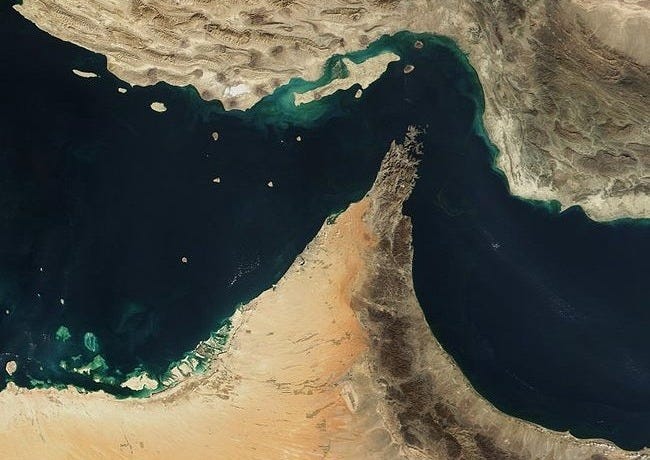
As it’s Easter break, I thought I’d take the opportunity to remind you that, statistically speaking, your risk of accidental death is significantly higher on holiday than at home. The explanation is pretty straightforward: mortality is strongly correlated with increased activity. Driving on unfamiliar roads, drinking to excess, exhaustion from heat or, if skiing, the cold. You pays your money and takes your choice! But the big one is water.
Humans really do like to be beside the seaside. This despite the fact that drowning is the third leading cause of unintentional death worldwide, claiming around 236,000 lives each year, according to the US Centres for Disease Control and Prevention. Only a small portion of these occur during holidays, but the risk does rise. In Australia, for example, it roughly doubles on public holidays, when more people are swimming, boating and generally being a bit of a larrikin.
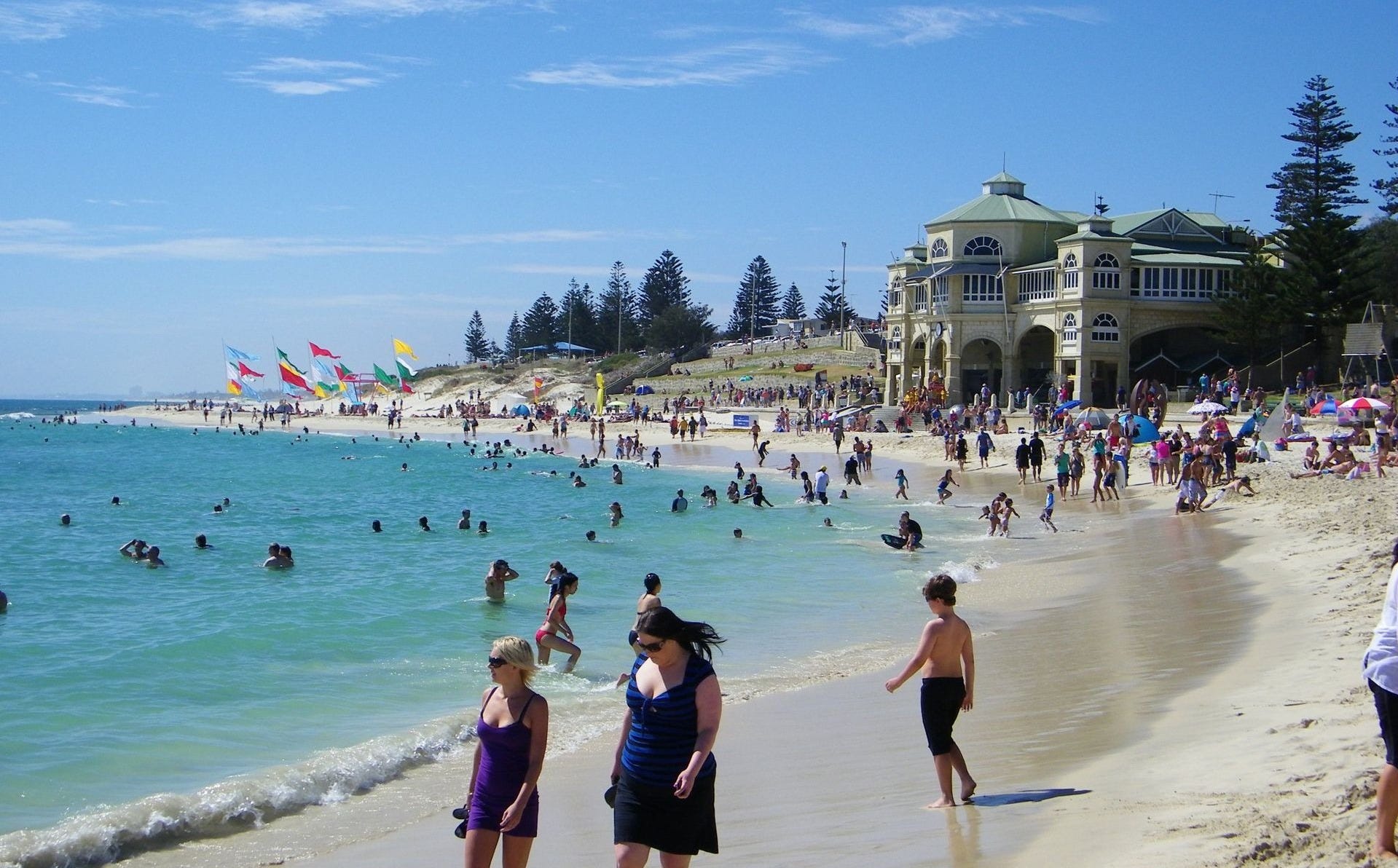
Of course, water isn’t just good for bathing or getting that perfect Insta story. Humans have tended to settle near the stuff because it makes survival — and later, civilisation — far easier. Fresh water is essential for everyday life, and early settlers needed a reliable, nearby source for drinking, cooking and cleaning. But wait, there’s more.
Water also provides irrigation for agriculture, rivers create fertile soil while fishing is a steady source of food. Then there’s water’s ability to facilitate transport and trade, to act as a natural defensive barrier and its moderating impact on the climate. So sure, you may be more likely to die next to it, but you’d only die much sooner from its absence. And you certainly wouldn’t get complex civilisations without it.
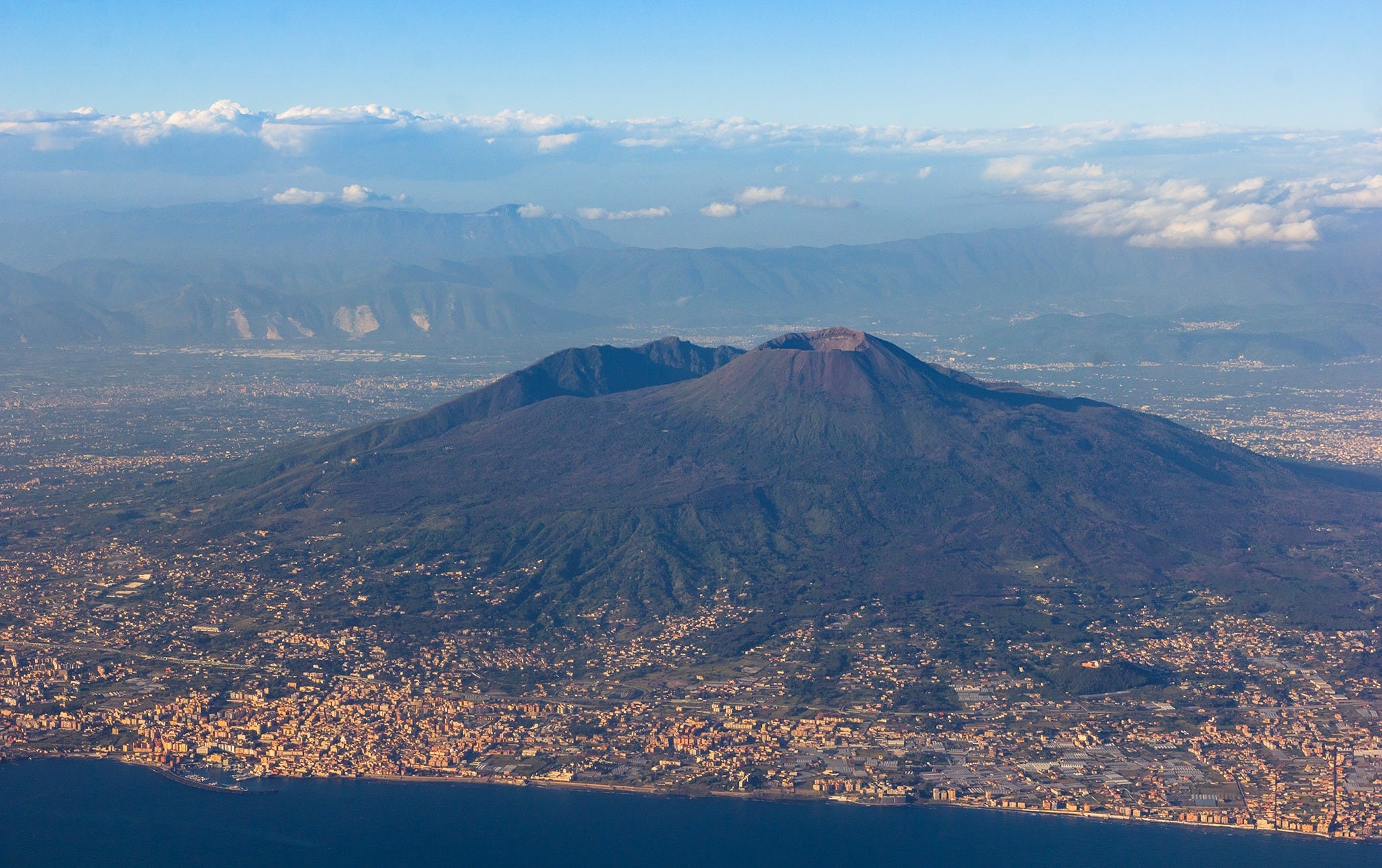
The same logic applies beyond water. Why do so many people live in earthquake zones or near volcanoes? It’s not as if Pompeians were blissfully unaware of what Mount Vesuvius was up to, or the power of fault lines to wreak havoc on your cave dwelling1. But again, volcanic areas have some of the most nutrient-rich soil on Earth, while tectonic regions often also provide ideal conditions for living, farming, as well as access to water, whether from rivers or aquifers.
So now we come to the Middle East. A region that is somehow home to three things: the cradle of civilisation, roughly half the world’s proven reserves of crude oil and lots of wars. What are the odds? It’s not as if the ancient Sumerians of Mesopotamia, basically modern-day Iraq, set up shop because of their booming commercial aviation scene. Once again, and without going the full geography is destiny, geology has a lot to answer for.