


“What do you think, Jack?”
Shit. I’d totally vagued out. To be fair, it was eight in the morning on a rainy Tuesday in March, on the fourth floor of a nondescript office building in Moorgate, and the meeting had been grinding on for north of half an hour.
Think, Jack. You work at the Evening Standard in early 2023 so it can only relate to one of three things: Sadiq Khan, Transport for London or, may god have mercy, VAT-free shopping for wealthy tourists. Sensing my growing panic, the editor generously followed up with: “Do you support 20mph speed limits in the capital?”
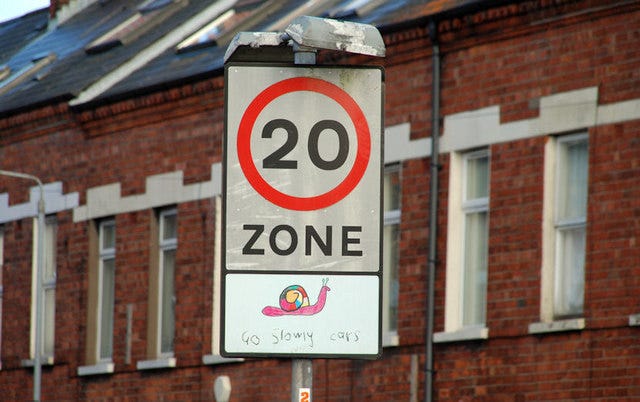
Sweet release! And to which I replied, on the basis that the truth is the easiest thing to remember: “I don’t know. I only drive in Provence.”
Room with a view
What’s your take on this? Have we got the figures right? Why did we lose the account? What are the implications if we do nothing? My hunch is that, whatever you do for a living and regardless of seniority, someone somewhere is asking your opinion.
Often, the questions are tedious, repetitious or merely revealing of your line manager’s (or subordinate’s) spectacular ignorance. At low ebbs, you no doubt wish Microsoft Outlook would crash every Friday and that Slack had never been invented.
Nonetheless, be honest: you’d feel untethered if they suddenly stopped asking. In desperation for that hit of validation, you’d sign up for one of those YouGov panels or ring the “how’s my driving?” number on the back of a van, just for someone to solicit your view.
The thing about being asked your opinion isn’t just the affirmation, but the sense that you have some agency, real or imagined, over what happens next. It’s also an experience many people rarely have in the workplace.
Jerry! Jerry! Jerry!
The Milburn review into young people and work is published today and you’ll no doubt be relieved to hear I’ve no opinion on it, on the basis that I won’t understand it. Suffice to say, if you catch anyone utter the word “holistic” within earshot of a camera, they probably mean “expensive”.
Instead, I wanted to revisit an interview between the American television host Jerry Springer and the BBC’s Jeremy Paxman, recorded well over a decade ago. In it, Paxman, long past his 1990s pomp, kicks off proceedings with ritual hostility but ends up thoroughly disarmed by Springer’s earnestness.
What I remember most clearly is Springer’s explanation of why people appear on his show. In his telling, the answer is neither for fame (some guests wear disguises and decline to use their real names) nor money, but simply to be heard:
“For one week in their lives, someone is listening to them. They don’t have kids who listen to them, parents who listen to them, they don’t have a job where someone asks their opinion every day.”
To which Paxman interrupts with the sort of caustic language you can only get away with on Newsnight:
“That’s bloody tragic if that’s why they come on your show!”
Look, Springer’s argument is equal parts compelling and entirely self-serving. His show was exploitative,1 even if guests freely agreed to appear and were treated behind the scenes with kindness. For that reason, Paxman’s incredulity is quite understandable.
But his reaction also rather supports Springer’s point. For decades, here was a man whose opinion was constantly sought (or assumed), and whose name carried such weight that a 2008 leaked email discussing the alleged deterioration in the quality of Marks & Spencer underpants became national news.
“There's no other way to put this. Their pants no longer provide adequate support. The other thing is socks. Even among those of us who clip our toenails very rigorously, they appear to be wearing out much more quickly on the big toe.” — Jeremy Paxman
"The quality of our underwear is probably the highest it's ever been." — M&S spokeswoman
Meanwhile, Springer’s broader point — and I really would recommend watching the whole thing, it’s only short — is that virtue bears little relation to class or wealth, while dumb luck plays an uncomfortably large role in determining our life chances.
And now for my final thought
I’ve enjoyed more than my fair share of good fortune. To grow up with loving parents, to be sent to the sort of school where class sizes rarely exceeded 18, to be so bad at maths that I had a private tutor on top of that and, wouldn’t you know it, I got an A* at GCSE.
And still, of course, I’ve had jobs, especially in the foothills of my career, where no one much cared what I thought. Rightly, to be clear. I was totally useless. But through the frustration and intense boredom, I mostly trusted there would be progression. Financially, but also in terms of professional standing.
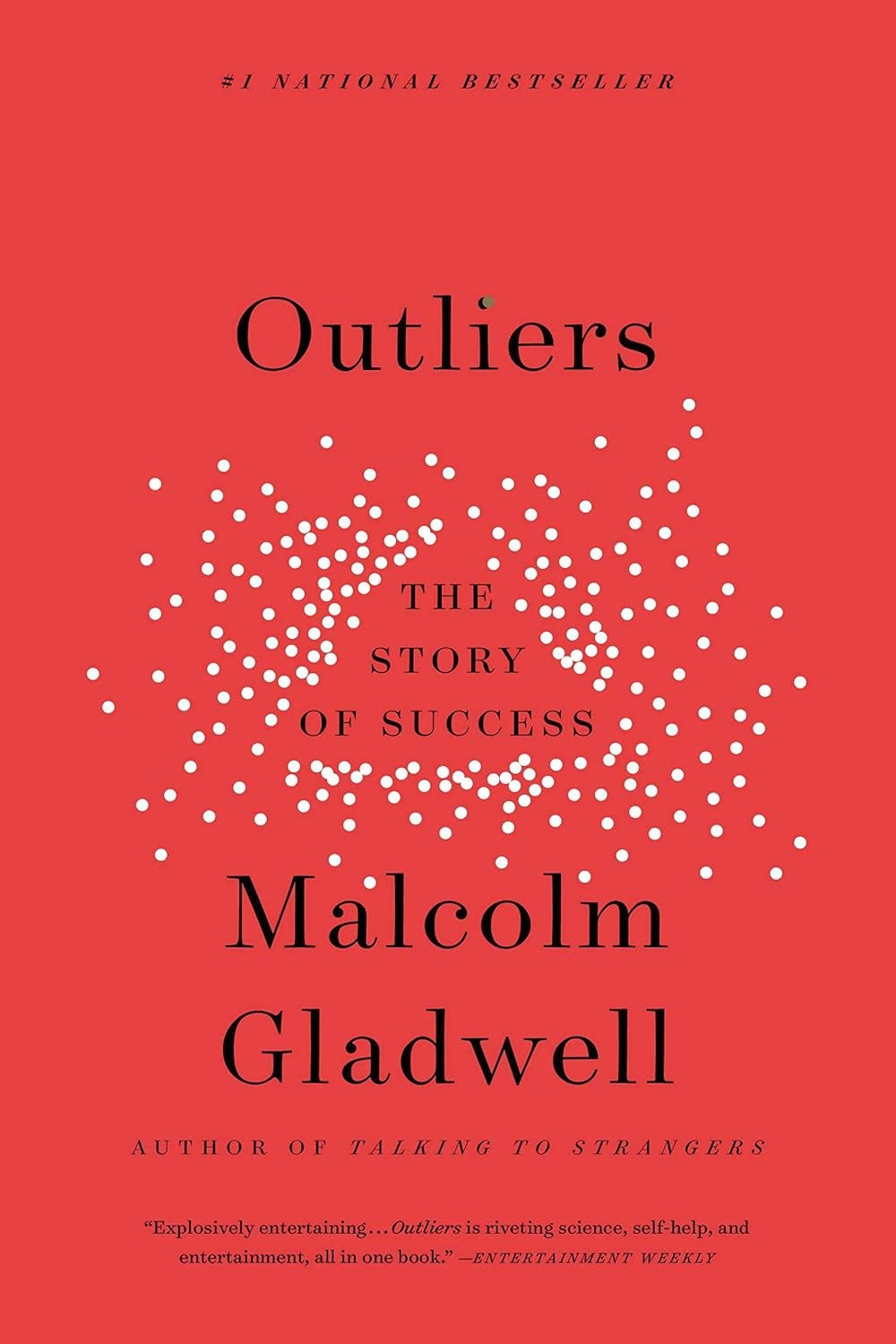
That one day I’d enjoy the qualities that the author Malcolm Gladwell, in his book Outliers: The Story of Success, identified as three key ingredients of meaningful work: autonomy, complexity and a connection between effort and reward.
Our needs differ, of course, but I suspect most of us yearn to be left to do our work in the order we see fit, to be challenged by it (but ultimately able to overcome it, ideally by 6pm) and to be paid handsomely for the privilege. I’m not yet there on all three.
But on the “what do you think?” metric? I mean, given that this is my daily newsletter. I’ve potentially maxed that one out.