


Butskellism, eat your heart out. An NHS free at the point of use, forget about it. Indeed, such is the unanimity of opinion on this matter that even the Liberal Democrats — a party permanently engaged in a slow-motion civil war over its loveless marriage to disaffected Tory voters in the south of England — speak with one voice.
I am, of course, referring to the epidemic of loudcasting: people playing music or watching videos without headphones in public places. The image might conjure up young people on the bus scrolling through TikTok, though I’ve been forced to listen to both sides of many a FaceTime by people of all ages, for which I absolutely blame The Apprentice for mainstreaming speakerphone-use-as-plot-line.1

Panic! at the Disco
The phenomenon has spawned all manner of think pieces, on the basis that it is kind of interesting and drives a lot of engagement. Explanations range from loudcasting as a means of marking one’s territory to rebellion, self-expression and sheer obliviousness. Inevitably, we are assured it is a first-rate symptom of Long Covid, alongside higher levels of public borrowing and childhood learning loss.
Refreshingly, I’m with the herd on this one. Other people’s musical tastes are often dreadful and therefore better confined to headphones, Bluetooth or otherwise. Whether we need new laws or just better enforcement of Transport for London’s conditions of carriage is between you and your brand of liberalism.
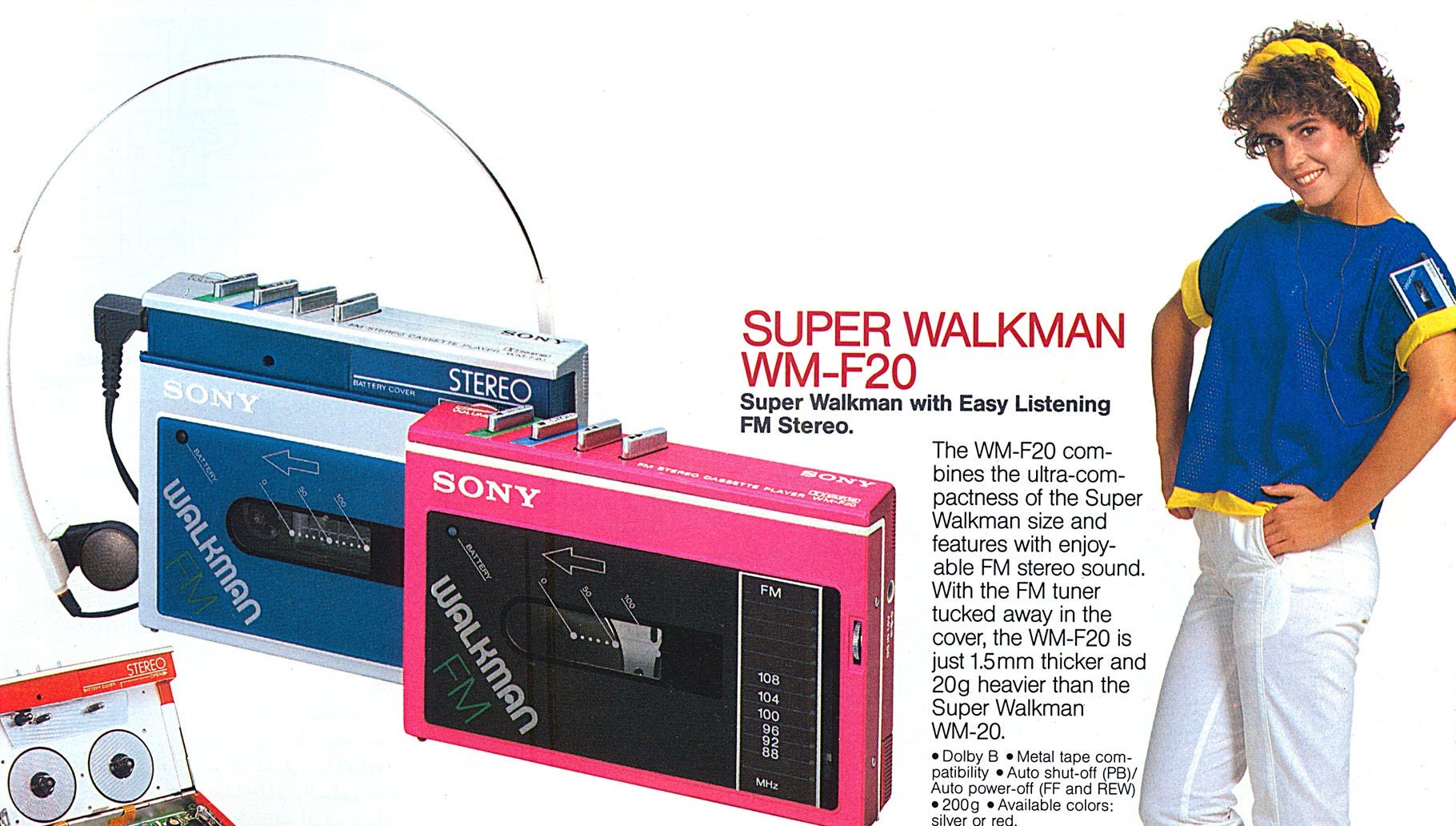
Still, there’s a hint of moral panic about the whole thing, with echoes of when Sony introduced its futuristic music-maker, the Walkman.
Panic on the streets of Tokyo
It is difficult to overstate just how revolutionary the Sony Walkman was back in the early 1980s. Cassettes and headphones already existed, but the concept of private listening in public areas, stereo sound at pocket size, music as personal accessory — this was new. And therefore prone to pushback.
In his terrific book, Pure Invention: How Japan’s Pop Culture Conquered the World, Matt Alt notes that, so alive was Sony co-founder Akio Morita to the criticism that his company’s new invention would generate — that its users would isolate to the point of ceasing to participate in the world altogether — that the first generation of Walkman came with two headphone ports and a ‘hotline function’ that muted the music in favour of a microphone so two people could talk over it.

Indeed, the first Japanese-language adverts for the Walkman highlighted young couples using the device together. But pretty soon, it became clear that neither Japanese music lovers, nor their contemporaries around the world, were particularly keen on sharing their musical tastes in public with anyone. What they craved was escape.2
“It’s nice to hear Pavarotti instead of car horns,” explained Andy Warhol to The Washington Post in 1981. Though Warhol was equally pleased by the earphones’ other feature: stopping his hair from blowing around.