


This newsletter is not about cricket. Not least when cricket isn’t really about cricket. The sport hitched a ride on empire, exporting British notions of manners, values and, of course, class consciousness. Nevertheless, it begins with a story about cricket’s most traditional and brutal format: administration.
Back in the summer of 2009, England were looking for a middle-order batsman to replace the out-of-form Ravi Bopara. The stakes could scarcely be higher, with a fifth and final Test remaining and the Ashes finely poised. There were a number of players in contention but from a narrative perspective, only one name on the shortlist: Mark Ramprakash.
The Surrey man had been the leading County Championship batter of the decade, averaged a Bradmanesque 91 over the previous four seasons for his county and more than 100 in the summer of 2009. His classic technique and effortless timing made the purists purr. The selectors were all too aware of who the popular choice would be.
But there was a problem: Ramprakash was one month short of his 40th birthday and had not played a Test match since 2002. Oh, and when he had been an England regular, he was largely a failure, averaging just 27. Even by the standards of England in the 1990s, that was not great.
Any selection decision — let alone one before a pivotal Test match with the Ashes on the line — is paved with uncertainty. But there is a reason why Ramprakash was never, ever going to be picked, and it had nothing to do with his ability to hit an on-drive.
Had the selectors plumped for Ramprakash and he’d nicked off first ball, the response from press and public alike would have been “Well, what did you expect? The bloke couldn’t cut it when he was a 28-year-old, why would it be any different at 40?” But the cacophony of derision might have been even greater had Ramprakash hit a match-winning knock to regain the Ashes.
Instead of praise for the selectors’ decision, it would surely have been words to the effect of: “What took you so long? The guy’s been the best player in the country for years and you’ve waited ‘til he’s 40 to recall him? What a waste! What buffoons you are!” And we see this all the time in sport.
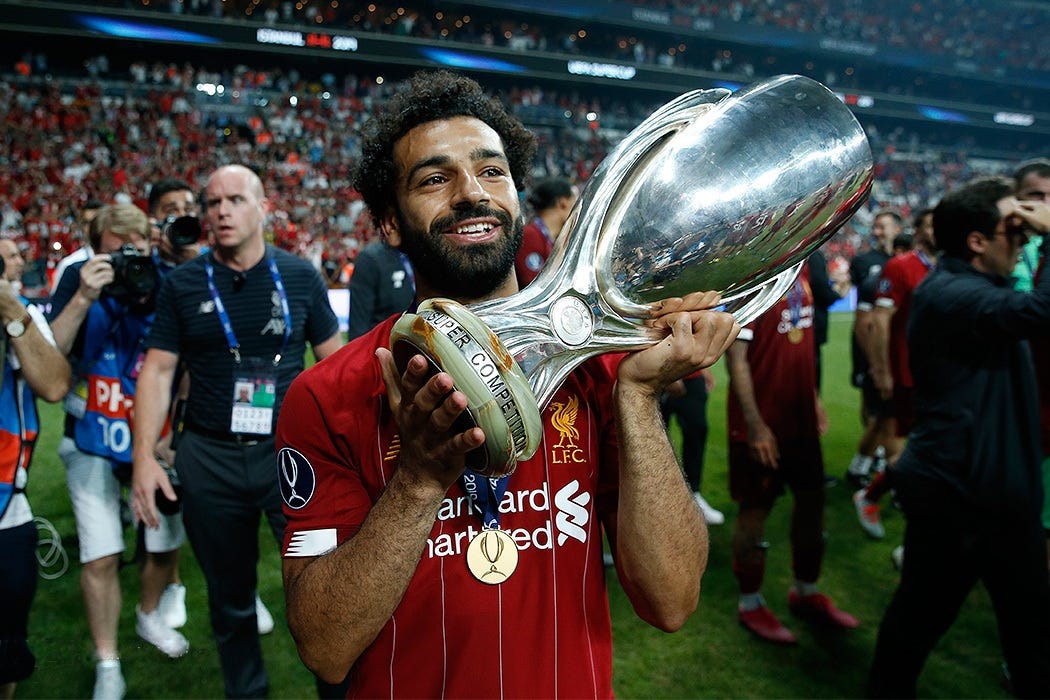
Did the Liverpool board sanction that massive new contract for an ageing Mohamed Salah because they genuinely believed he still had two great years left in his legs, or out of fear that if he left and the team had a disappointing season, all the blame would fall on them? Did Tottenham decline to give their latest managerial assignment to Ryan Mason because he wasn’t up to the task, or out of fear they’d look ridiculous?
Just as sport administrators weigh ability against the risk of public backlash, leaders on the world stage face similar pressures. Decisions are rarely about skill or strategy alone; they also involve concerns about reputation, credibility and the consequences of being wrong.
In short, they care about saving face. In China, the idea of face-saving (or mianzi) is sometimes more explicit and culturally framed, but maintaining public prestige and protecting domestic legitimacy are universal priorities.
For this reason, a victorious power may choose to grant the defeated foe an off-ramp, or opportunities to negotiate symbolic concessions. The problem is that even when leaders wish to de-escalate, they often struggle — and end up rejecting deals, prolonging wars and ultimately securing worse outcomes.
In the end, the England selectors got it right. The player they chose — Jonathan Trott — scored a century on debut to win the Ashes, before going on to play a crucial role in the team that would win in Australia, India and briefly become number one in the world.
Whether Ramprakash would have made the runs is unknowable. But the England hierarchy would have lost face either way. And that is what made him unselectable.
I wondered when you might touch on the….war. And I like how you approached the essential point through a totally unrelated topic. [Well, that’s how I took this, and I don’t know if I’m an outlier here.]
I guess that in the cricket-world, this type of selector-vanity impacts more on us? I don’t know….
The question of who needs the off-ramp more we can leave to another time - if events do not overtake us first.
Good, Jack.